THE ADVENTURE COLLECTIVE® · Independent discovery and booking for outdoor travel

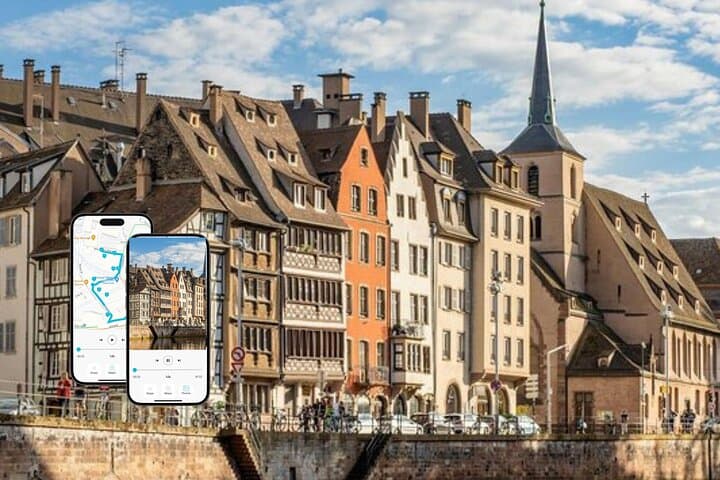
Walk the spine of Strasbourg at your own pace: an app-guided route from the cathedral’s carved façade through La Petite France and the Ponts Couverts. Perfect for independent travelers who want rich history, clear navigation, and offline access.
Walk the spine of Strasbourg at your own pace: an app-guided route from the cathedral’s carved façade through La Petite France and the Ponts Couverts. Perfect for independent travelers who want rich history, clear navigation, and offline access.
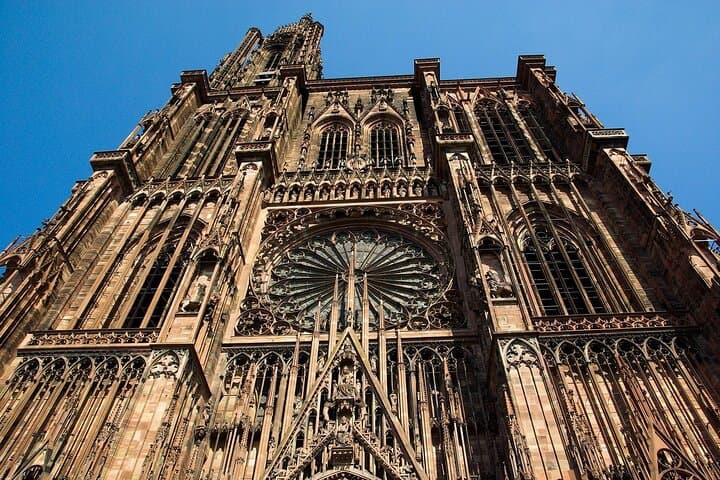
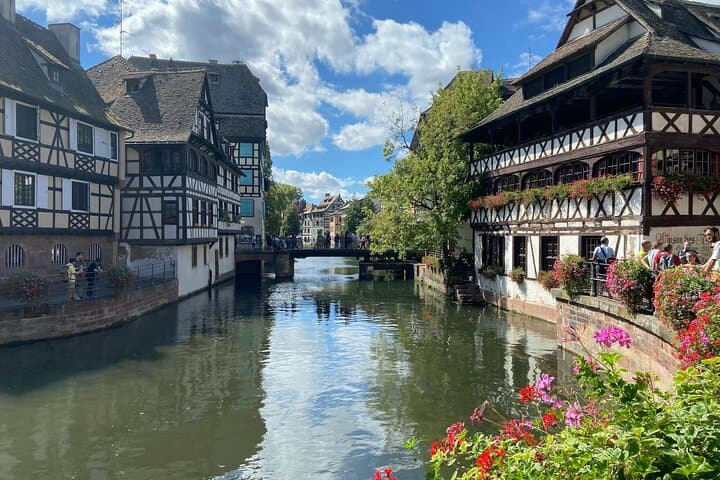
Stand at the square before Strasbourg Cathedral and the city opens like a map written in stone — gargoyles glare, carved saints point skyward, and the astronomical clock keeps its silent, ancient time. The app guides you from that first hush inside the nave into sunlit streets where canals cut neat channels through timbered houses and bicycle bells thread the air.
Verified experiences and guided adventures in the surrounding area.
Operated by Tourific · Strasbourg, Grand Est
Stand at the square before Strasbourg Cathedral and the city opens like a map written in stone — gargoyles glare, carved saints point skyward, and the astronomical clock keeps its silent, ancient time. The app guides you from that first hush inside the nave into sunlit streets where canals cut neat channels through timbered houses and bicycle bells thread the air.
This route stitches together layers of history: Roman foundations beneath medieval guilds, the fragile mix of French and German influence visible in Alsatian façades, and the 17th-century defenses of Vauban that once controlled floods and armies alike. Geology is subtle here — the sandstone of the cathedral, quarried locally, has weathered into the detailed reliefs you’ll trace with your eyes. Culture arrives at cafés and markets; Gutenberg and Calvin leave their marks in squares and plaques.
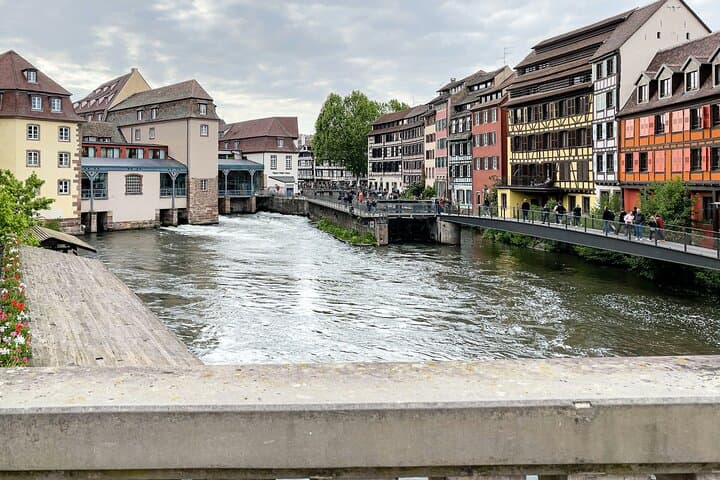
Expect about 3–4 hours of walking at an easy pace. The app supplies images, offline maps, and audio stops so you can wander at will, linger at the Maison des Tanneurs, or jump ahead to the Ponts Couverts. La Petite France feels theatrical but lived-in: laundry, riverboats, and the smell of baking mingle with centuries of craft.
Practical notes: download the tour and a local map before you set out, carry water, and wear shoes with good soles for cobbles. Visit early morning or late afternoon to avoid tour groups and see the cathedral glow. This is a self-paced, accessible way to feel Strasbourg’s history underfoot while keeping mobility and timing entirely in your hands.
easy.
3–4 hours.
Light activity level: comfortable walking for several hours with frequent stops.
Entry to walk around the cathedral is generally free; special access (towers or paid exhibits) may require a ticket — check opening details in the app.
Yes — the self-guided format and short stops make it easy to move at a family-friendly pace; watch for narrow streets and canals near La Petite France.
Most highlights are walkable in sequence, but Strasbourg’s tram and bus network can shorten distances if needed — the app notes nearby transit options.
Yes — the tour can be downloaded for offline use so audio, images, and maps work without mobile data once downloaded.
Strasbourg’s position on the Rhine made it a crossroads of language and power; the cathedral, completed in the 15th century, was once the world’s tallest building and a center of medieval pilgrimage.
Tourism can stress fragile sandstone and narrow streets; stick to marked paths, avoid touching carved surfaces, and support local businesses to keep the center vibrant.
Tourific operates guided outdoor trips and adventures with an emphasis on safety, stewardship, and memorable experiences.
Stand at the square before Strasbourg Cathedral and the city opens like a map written in stone — gargoyles glare, carved saints point skyward, and the astronomical clock keeps its silent, ancient time. The app guides you from that first hush inside the nave into sunlit streets where canals cut neat channels through timbered houses and bicycle bells thread the air.
Stand at the square before Strasbourg Cathedral and the city opens like a map written in stone — gargoyles glare, carved saints point skyward, and the astronomical clock keeps its silent, ancient time. The app guides you from that first hush inside the nave into sunlit streets where canals cut neat channels through timbered houses and bicycle bells thread the air.
This route stitches together layers of history: Roman foundations beneath medieval guilds, the fragile mix of French and German influence visible in Alsatian façades, and the 17th-century defenses of Vauban that once controlled floods and armies alike. Geology is subtle here — the sandstone of the cathedral, quarried locally, has weathered into the detailed reliefs you’ll trace with your eyes. Culture arrives at cafés and markets; Gutenberg and Calvin leave their marks in squares and plaques.
Expect about 3–4 hours of walking at an easy pace. The app supplies images, offline maps, and audio stops so you can wander at will, linger at the Maison des Tanneurs, or jump ahead to the Ponts Couverts. La Petite France feels theatrical but lived-in: laundry, riverboats, and the smell of baking mingle with centuries of craft.
Practical notes: download the tour and a local map before you set out, carry water, and wear shoes with good soles for cobbles. Visit early morning or late afternoon to avoid tour groups and see the cathedral glow. This is a self-paced, accessible way to feel Strasbourg’s history underfoot while keeping mobility and timing entirely in your hands.