THE ADVENTURE COLLECTIVE® · Independent discovery and booking for outdoor travel

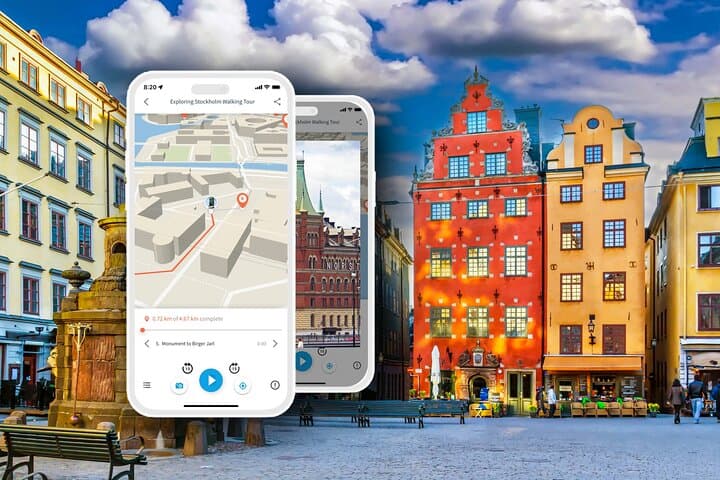
Explore Stockholm at your own pace with a historian-narrated audioguide that threads City Hall, Gamla Stan and Hötorget into a compact urban walk. Download once, follow the offline map, and trade bustle for stories at your own speed.
Explore Stockholm at your own pace with a historian-narrated audioguide that threads City Hall, Gamla Stan and Hötorget into a compact urban walk. Download once, follow the offline map, and trade bustle for stories at your own speed.
A brisk Baltic morning starts at the steps of Stockholm Central Station: tram bells tinkle, coffee steam threads through the air, and the City Hall tower pins a line against a pale sky. The self-guided audiotour leads you across bridges that stitch together islands, along cobbled alleys where footsteps echo the city’s layered past.
Verified experiences and guided adventures in the surrounding area.
Operated by TouringBee · Stockholm, Stockholm County
A brisk Baltic morning starts at the steps of Stockholm Central Station: tram bells tinkle, coffee steam threads through the air, and the City Hall tower pins a line against a pale sky. The self-guided audiotour leads you across bridges that stitch together islands, along cobbled alleys where footsteps echo the city’s layered past.
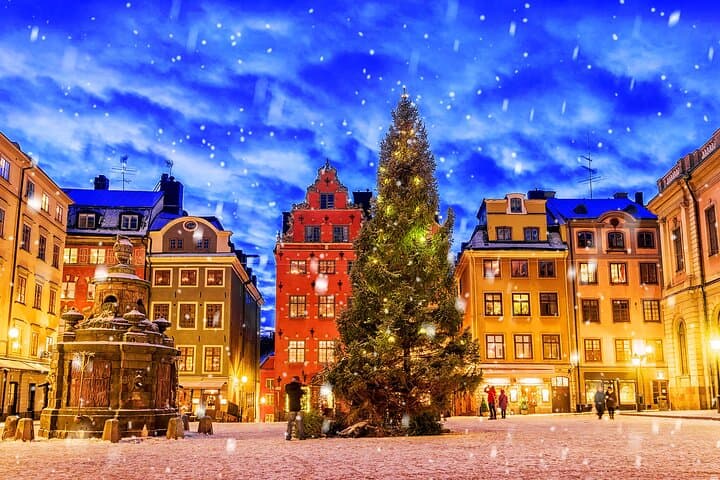
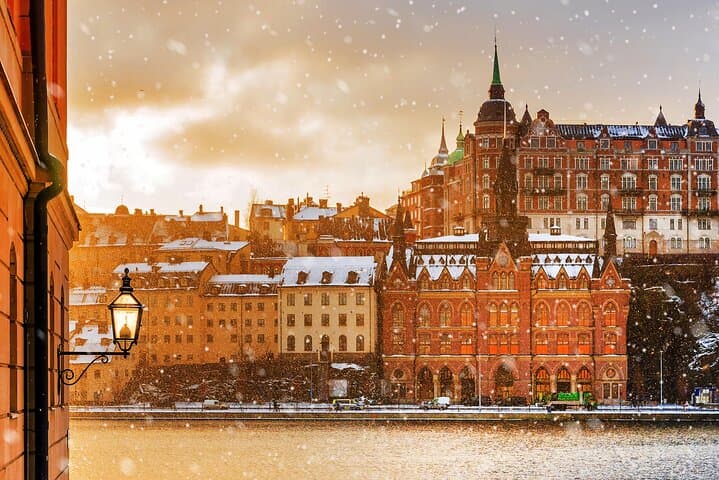
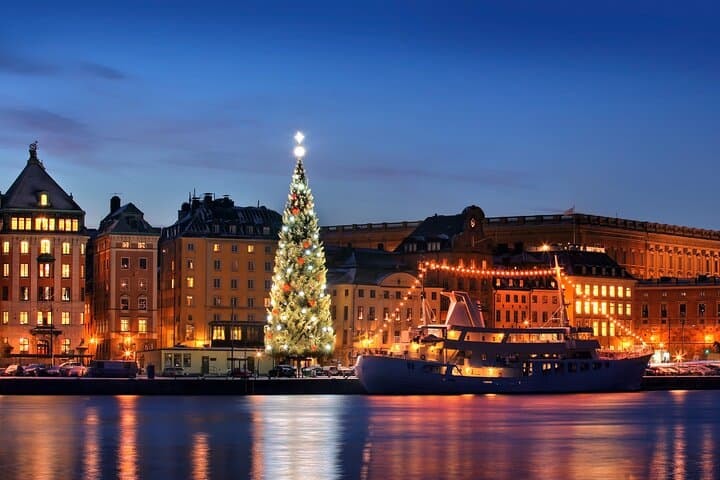
Walkers move from the ceremonial pomp of the Royal Palace and the Nobel Prize Museum to the sober stone of Riddarholmen Church. Gamla Stan’s narrow lanes speak of medieval origins and 17th‑century mercantile ambition; Birger Jarl’s footprint is still visible in the urban plan. Stockholm sits on hard Baltic granite and was shaped by ice and sea—water edges and quays define how the city grew, and the currents still push the harbor traffic like a clock.
Café culture is practical history here: fika is the short pause that lets the city reveal itself. Local markets—Hötorget especially—offer seasonal produce and weekender crowds. Smaller discoveries include the tiny Iron Boy statue and the quiet courtyards off Västerlånggatan.
Practical guidance: download the app and offline map before you leave Wi‑Fi, carry headphones and a charged phone, and allow two hours with time to linger. Wear shoes suited for cobbles and watch for tram tracks and bicycles on shared streets. Start near the train station for easy access and finish at Hötorget to jump onto public transit or sample market food. Early morning or late afternoon reduces crowds and gives better light for photos.
easy.
2–3 hours.
Suitable for light fitness; requires walking on uneven cobbles for a couple of hours
No—download the audio tracks and offline map in advance via the app so you can follow the route without cellular data.
The suggested start is near Stockholm Central Station and the route finishes at Hötorget market, both convenient for public transport connections.
Many central streets are accessible, but narrow medieval alleys and cobblestones can be uneven; check the app’s route details for step‑free alternatives.
Access is provided for one year after purchase, allowing repeat visits and seasonal re‑reads of the commentary.
Stockholm grew from a 13th‑century trading post attributed to Birger Jarl; many present streets trace medieval plots and 17th‑century mercantile expansion.
The city emphasizes sustainable mobility—walk, bike or use public transit to reduce congestion; respect historic sites by staying on marked paths and avoiding graffiti.
TouringBee operates guided outdoor trips and adventures with an emphasis on safety, stewardship, and memorable experiences.
A brisk Baltic morning starts at the steps of Stockholm Central Station: tram bells tinkle, coffee steam threads through the air, and the City Hall tower pins a line against a pale sky. The self-guided audiotour leads you across bridges that stitch together islands, along cobbled alleys where footsteps echo the city’s layered past.
A brisk Baltic morning starts at the steps of Stockholm Central Station: tram bells tinkle, coffee steam threads through the air, and the City Hall tower pins a line against a pale sky. The self-guided audiotour leads you across bridges that stitch together islands, along cobbled alleys where footsteps echo the city’s layered past.
Walkers move from the ceremonial pomp of the Royal Palace and the Nobel Prize Museum to the sober stone of Riddarholmen Church. Gamla Stan’s narrow lanes speak of medieval origins and 17th‑century mercantile ambition; Birger Jarl’s footprint is still visible in the urban plan. Stockholm sits on hard Baltic granite and was shaped by ice and sea—water edges and quays define how the city grew, and the currents still push the harbor traffic like a clock.
Café culture is practical history here: fika is the short pause that lets the city reveal itself. Local markets—Hötorget especially—offer seasonal produce and weekender crowds. Smaller discoveries include the tiny Iron Boy statue and the quiet courtyards off Västerlånggatan.
Practical guidance: download the app and offline map before you leave Wi‑Fi, carry headphones and a charged phone, and allow two hours with time to linger. Wear shoes suited for cobbles and watch for tram tracks and bicycles on shared streets. Start near the train station for easy access and finish at Hötorget to jump onto public transit or sample market food. Early morning or late afternoon reduces crowds and gives better light for photos.