THE ADVENTURE COLLECTIVE® · Independent discovery and booking for outdoor travel

Drive and walk through the Stirling Range at your own pace: short steep climbs, dramatic viewpoints and seasonal wildflowers. This self-guided tour pairs offline narration with mapped pullouts so you can summit Bluff Knoll, tackle Toolbrunup or explore quieter lookouts.
Drive and walk through the Stirling Range at your own pace: short steep climbs, dramatic viewpoints and seasonal wildflowers. This self-guided tour pairs offline narration with mapped pullouts so you can summit Bluff Knoll, tackle Toolbrunup or explore quieter lookouts.
You arrive before dawn on a low, cool ridge; the mountains cut a serrated silhouette against the eastern light and the scrub smells faintly of eucalyptus. Drivers pause at pullouts while walkers shoulder packs for short, steep approaches—Bluff Knoll’s summit draws the first crowd, a granite crown at roughly 1,095 m that opens into broad views of folded ranges and wheatbelt plains.
Verified experiences and guided adventures in the surrounding area.
Operated by Trippy Tour Guide · Cranbrook, Western Australia
You arrive before dawn on a low, cool ridge; the mountains cut a serrated silhouette against the eastern light and the scrub smells faintly of eucalyptus. Drivers pause at pullouts while walkers shoulder packs for short, steep approaches—Bluff Knoll’s summit draws the first crowd, a granite crown at roughly 1,095 m that opens into broad views of folded ranges and wheatbelt plains.
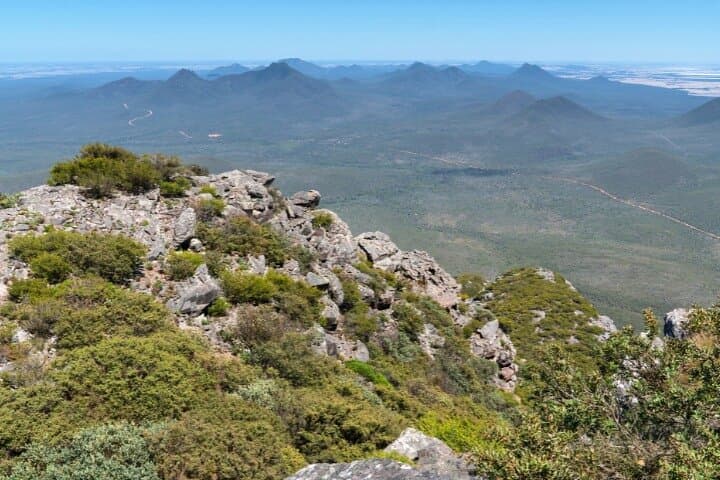
The Stirling Range is geologically ancient—uplifted and eroded granite and gneiss—and culturally significant to Noongar people. Sandalwood carters and pastoral history are visible in old tracks and place names like Red Gum Springs, while pockets of wandoo woodland and seasonal wildflowers reveal why botanists prize the park. Peaks like Mount Trio (≈3.5 km routes) and Toolbrunup (≈4 km steep sections) are compact but rugged; expect rocky ridgelines, loose scree and abrupt exposure.
This self-guided driving tour layers narrated points with offline maps so you can choose short walks or longer scrambles. Plan for 6–8 hours to sample several lookouts and one summit; wear sturdy footwear, carry 2–3 L water, and allow time for mud or sudden weather changes—Bluff Knoll can be cold and windy year-round. Observe speed limits on park roads, respect private grazing land on approaches, and carry a paper map or full-charge phone with the supplied app map downloaded.
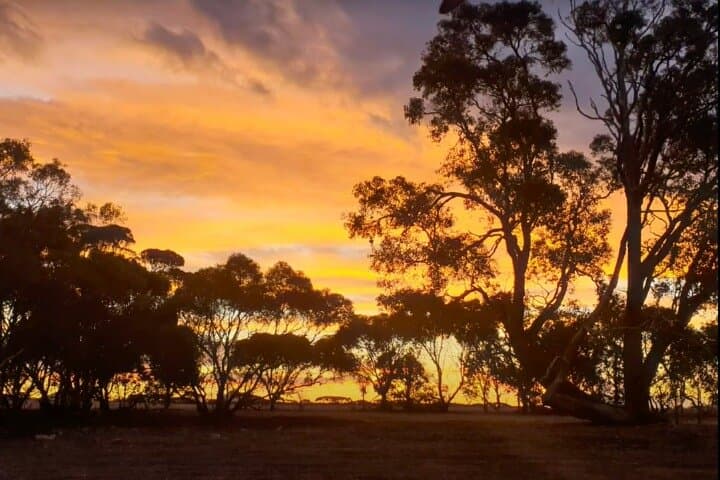
Practical stops include Western Lookout for west-facing sunsets and Mt Trio Bush Camp for an overnight pivot. The park rewards modest effort with close-up botany, broad panoramas and an approachable sense of remoteness.
moderate.
6–8 hours.
Comfortable with repeated short steep climbs and uneven terrain; suitable for regular walkers.
Most main park roads and lookouts are accessible with a conventional vehicle, but unsealed tracks to remote areas can be rough—check conditions and avoid low-clearance cars after rain.
Primary walks like Bluff Knoll are well-marked and regularly used; steeper peak routes are exposed and best attempted with a partner and basic navigation skills.
Wildflower displays are strongest in late winter to spring (August–October), after winter rains; conditions vary by season and elevation.
Coverage is limited in many parts—download offline maps and notify someone of your plan if venturing on longer hikes.
The park lies on Noongar country and later became a route for sandalwood carters and pastoralists; many place names reflect that layered history.
Stirling Range is a biodiversity hotspot with many endemic plants; stick to trails to protect fragile wildflower communities and reduce fire risk by following park rules.
Trippy Tour Guide operates guided outdoor trips and adventures with an emphasis on safety, stewardship, and memorable experiences.
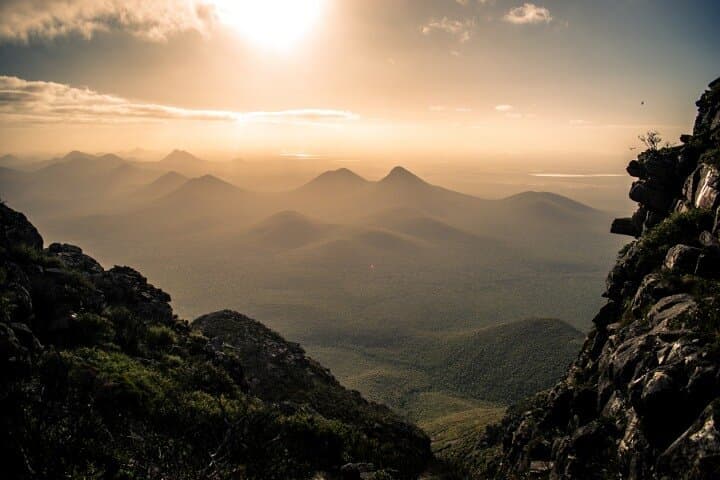
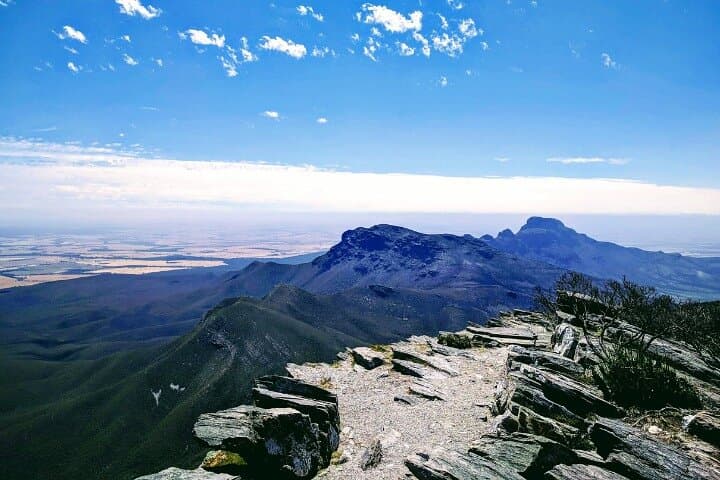
You arrive before dawn on a low, cool ridge; the mountains cut a serrated silhouette against the eastern light and the scrub smells faintly of eucalyptus. Drivers pause at pullouts while walkers shoulder packs for short, steep approaches—Bluff Knoll’s summit draws the first crowd, a granite crown at roughly 1,095 m that opens into broad views of folded ranges and wheatbelt plains.
You arrive before dawn on a low, cool ridge; the mountains cut a serrated silhouette against the eastern light and the scrub smells faintly of eucalyptus. Drivers pause at pullouts while walkers shoulder packs for short, steep approaches—Bluff Knoll’s summit draws the first crowd, a granite crown at roughly 1,095 m that opens into broad views of folded ranges and wheatbelt plains.
The Stirling Range is geologically ancient—uplifted and eroded granite and gneiss—and culturally significant to Noongar people. Sandalwood carters and pastoral history are visible in old tracks and place names like Red Gum Springs, while pockets of wandoo woodland and seasonal wildflowers reveal why botanists prize the park. Peaks like Mount Trio (≈3.5 km routes) and Toolbrunup (≈4 km steep sections) are compact but rugged; expect rocky ridgelines, loose scree and abrupt exposure.
This self-guided driving tour layers narrated points with offline maps so you can choose short walks or longer scrambles. Plan for 6–8 hours to sample several lookouts and one summit; wear sturdy footwear, carry 2–3 L water, and allow time for mud or sudden weather changes—Bluff Knoll can be cold and windy year-round. Observe speed limits on park roads, respect private grazing land on approaches, and carry a paper map or full-charge phone with the supplied app map downloaded.
Practical stops include Western Lookout for west-facing sunsets and Mt Trio Bush Camp for an overnight pivot. The park rewards modest effort with close-up botany, broad panoramas and an approachable sense of remoteness.