THE ADVENTURE COLLECTIVE® · Independent discovery and booking for outdoor travel

Walk Stanford at your own pace with a VoiceMap audio guide that blends art, history, and architectural highlights into a 90–120 minute route. Download the tour, bring headphones, and expect quiet courtyards, Rodin sculptures, and stories about the university’s founders.
Walk Stanford at your own pace with a VoiceMap audio guide that blends art, history, and architectural highlights into a 90–120 minute route. Download the tour, bring headphones, and expect quiet courtyards, Rodin sculptures, and stories about the university’s founders.
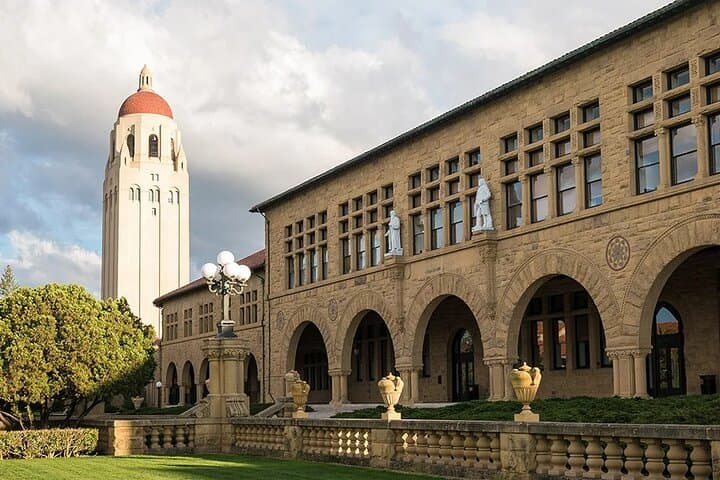
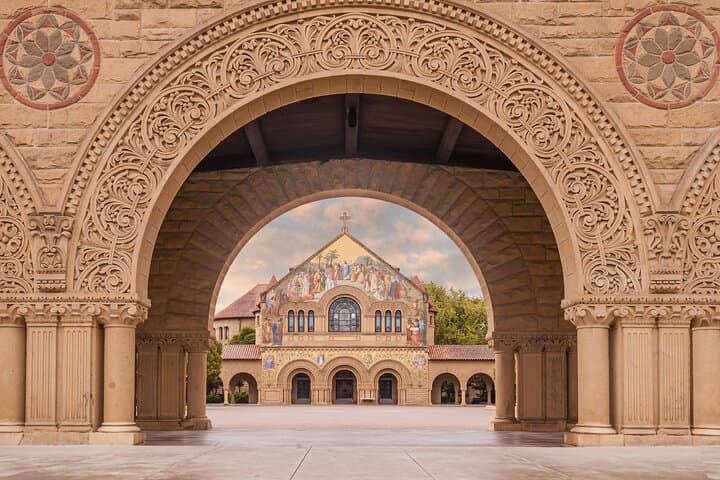
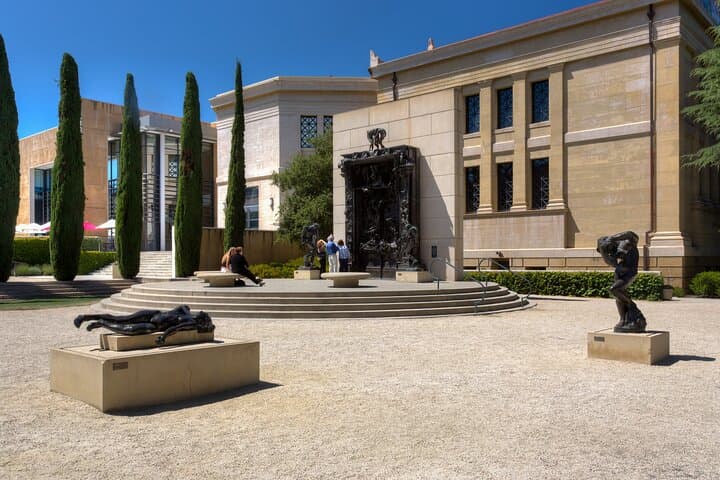
You step onto the Stanford Oval and the campus opens like a living gallery — brick colonnades, a bell tower punctuating the sky, and lawns that encourage a slow pace. The tour’s audio narration guides you from the Oval past Memorial Court, through the hush of Memorial Church, and on to the Rodin Sculpture Garden, where bronze figures hold a quiet, weathered presence.
Verified experiences and guided adventures in the surrounding area.
Operated by VoiceMap Audio Tours · Stanford, California
You step onto the Stanford Oval and the campus opens like a living gallery — brick colonnades, a bell tower punctuating the sky, and lawns that encourage a slow pace. The tour’s audio narration guides you from the Oval past Memorial Court, through the hush of Memorial Church, and on to the Rodin Sculpture Garden, where bronze figures hold a quiet, weathered presence.
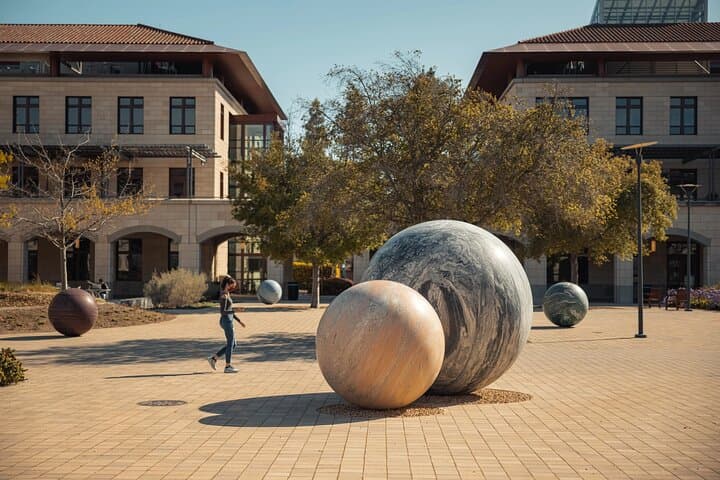
Stanford’s campus was founded in 1885 by Leland and Jane Stanford on the former Palo Alto Stock Farm; its signature Romanesque and Mission Revival buildings reflect that late-19th-century ambition. The ground here is clay and terrace — not dramatic geology, but it shaped the orchards and avenues the founders planted. Public art and academic life collide: Hoover Tower’s history as a refuge for exiled scholars, the Papua New Guinea Sculpture Garden’s unexpected carvings, and Alicja Kwade’s planetary-scale Pars Pro Toto in the engineering quad.
Practically, this is a walking, self-guided audio experience delivered through the VoiceMap app. Expect 1.5–2 hours at a steady stroll, longer if you linger at sculptures or the bookstore. The app’s GPS playback works offline; headphones and a charged phone are essential. Time your visit for weekday mornings to avoid student traffic and check campus signs for events or restricted areas. Respect study spaces and outdoor classes, carry water, and wear shoes suited for paved paths and occasional grassy detours. This tour blends art, architecture, and campus culture into an accessible, independent exploration — ideal for curious walkers who like control over pace and time.
easy.
1.5–2 hours.
Suitable for most fitness levels; requires walking on paved surfaces for up to two hours.
You receive a code and instructions after booking; the tour itself runs in the VoiceMap app and does not require additional campus admission.
Yes — VoiceMap allows offline download of audio, maps, and geodata so you won't need cellular service while walking.
Much of the main route follows paved paths and is accessible, but some courtyards and sculpture gardens have steps or uneven surfaces; check specific locations on campus maps for accessible alternatives.
Public restrooms and campus cafes are available near the Oval and main quads, but operating hours vary—plan ahead if you need facilities or snacks.
Stanford University opened in 1885 on land donated by Leland and Jane Stanford; the campus plan and architecture reflect late‑19th-century academic ideals and the influence of the Stanfords’ agricultural estate.
Stanford runs sustainability programs and encourages visitors to stay on paths, avoid littering, and respect green spaces and public art to minimize impact.
VoiceMap Audio Tours operates guided outdoor trips and adventures with an emphasis on safety, stewardship, and memorable experiences.
You step onto the Stanford Oval and the campus opens like a living gallery — brick colonnades, a bell tower punctuating the sky, and lawns that encourage a slow pace. The tour’s audio narration guides you from the Oval past Memorial Court, through the hush of Memorial Church, and on to the Rodin Sculpture Garden, where bronze figures hold a quiet, weathered presence.
You step onto the Stanford Oval and the campus opens like a living gallery — brick colonnades, a bell tower punctuating the sky, and lawns that encourage a slow pace. The tour’s audio narration guides you from the Oval past Memorial Court, through the hush of Memorial Church, and on to the Rodin Sculpture Garden, where bronze figures hold a quiet, weathered presence.
Stanford’s campus was founded in 1885 by Leland and Jane Stanford on the former Palo Alto Stock Farm; its signature Romanesque and Mission Revival buildings reflect that late-19th-century ambition. The ground here is clay and terrace — not dramatic geology, but it shaped the orchards and avenues the founders planted. Public art and academic life collide: Hoover Tower’s history as a refuge for exiled scholars, the Papua New Guinea Sculpture Garden’s unexpected carvings, and Alicja Kwade’s planetary-scale Pars Pro Toto in the engineering quad.
Practically, this is a walking, self-guided audio experience delivered through the VoiceMap app. Expect 1.5–2 hours at a steady stroll, longer if you linger at sculptures or the bookstore. The app’s GPS playback works offline; headphones and a charged phone are essential. Time your visit for weekday mornings to avoid student traffic and check campus signs for events or restricted areas. Respect study spaces and outdoor classes, carry water, and wear shoes suited for paved paths and occasional grassy detours. This tour blends art, architecture, and campus culture into an accessible, independent exploration — ideal for curious walkers who like control over pace and time.