THE ADVENTURE COLLECTIVE® · Independent discovery and booking for outdoor travel

Explore Split at your own pace with a self-guided audio tour that connects Diocletian’s Palace, Marjan Hill and island departures. Ideal for independent travelers who want history, coastal views and flexible day trips.
Explore Split at your own pace with a self-guided audio tour that connects Diocletian’s Palace, Marjan Hill and island departures. Ideal for independent travelers who want history, coastal views and flexible day trips.
A morning on Split’s Riva begins with the city waking under a sharp Adriatic light: palms lean into the breeze, and footsteps echo off Roman stone. A self-guided audio tour lets travelers move at their own tempo—pausing in courtyards, climbing Marjan’s pine-shaded paths, or lingering over espresso at a harbor café.
Verified experiences and guided adventures in the surrounding area.
Operated by CloudGuide S.L · Split, Split-Dalmatia County
A morning on Split’s Riva begins with the city waking under a sharp Adriatic light: palms lean into the breeze, and footsteps echo off Roman stone. A self-guided audio tour lets travelers move at their own tempo—pausing in courtyards, climbing Marjan’s pine-shaded paths, or lingering over espresso at a harbor café.
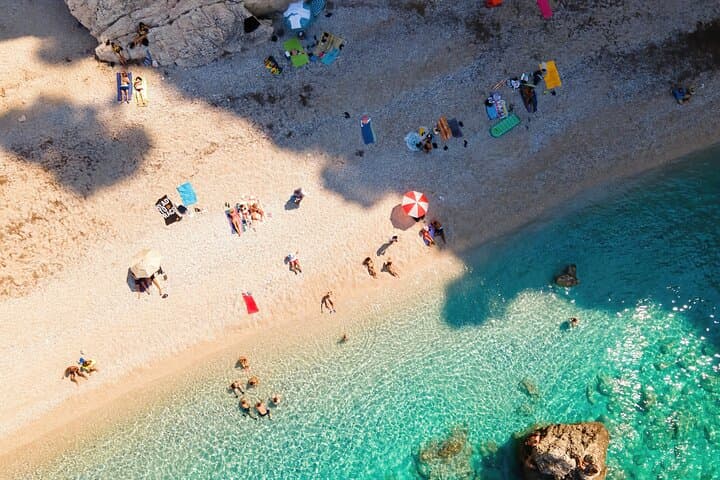
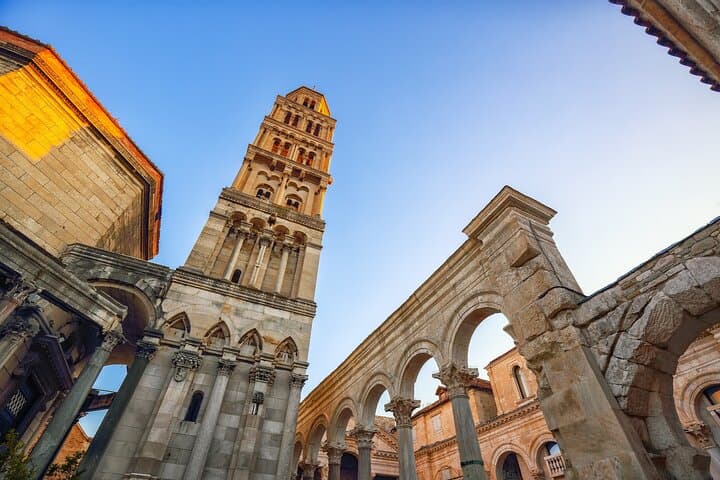
Split’s core is history made habitable. Diocletian’s Palace, carved from 4th-century Roman ambition, forms a living neighborhood of narrow alleys, cathedral bell towers and market stalls. The Dalmatian coast’s karst geology gives the islands their rocky profiles and clear cobalt water; beaches like Kaštelet sit where limestone meets sea, while Marjan Hill’s pines anchor views back to the city.
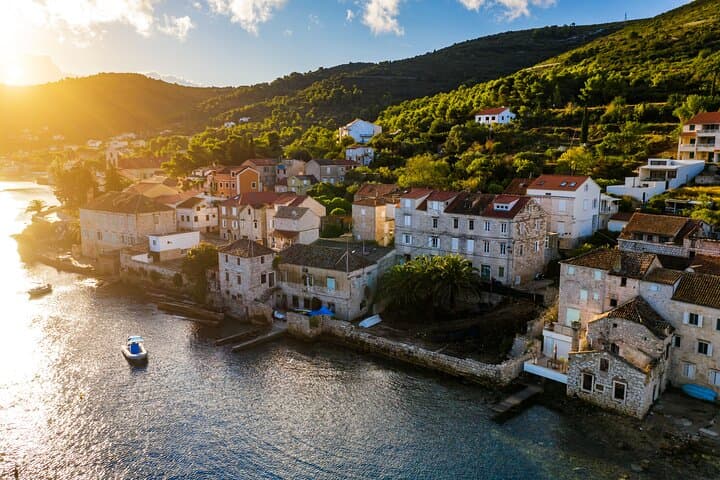
Local culture moves between the sea and the street: fishermen’s markets, maritime museums inside fortress walls, and a café culture that measures time in long cups. From Split’s harbor, ferries scatter to Hvar’s fortress, Vis’s secluded coves and the Blue Cave’s bright interior—each island offering different tempos and terrain.
Practical guidance: plan the route before you set out, download the audio maps for offline use and check ferry timetables in advance—services tighten outside peak season. Wear supportive shoes for cobbled streets and shale trails, carry sun protection and a refillable water bottle, and leave time for Krka or Plitvice if waterfalls are on your list. Respect protected areas: swim only in designated spots, follow posted signs in national parks, and pack out what you pack in. This is a day built from choices—choose early starts for quieter streets and late afternoons for warm light over the Adriatic.
easy.
4–8 hours.
Light to moderate walking fitness; comfortable on cobbles, short climbs and ferry transfers
In summer, popular routes can fill—book high-season ferries and check return timetables; off-season schedules run less frequently so plan accordingly.
Most self-guided tour apps offer offline downloads—download tracks and any maps before you leave a reliable Wi‑Fi connection.
Some areas inside the palace have uneven surfaces and steps; main promenades like the Riva are generally accessible but check specific site accessibility before visiting.
Krka allows swimming in designated areas seasonally; Plitvice has strict protection rules and swimming is not permitted—plan each park visit with current regulations in mind.
Split grew from the 4th‑century palace of Roman emperor Diocletian; the palace’s walls now form a living UNESCO urban core blending ancient and modern life.
Dalmatian coast and national parks face seasonal pressure—use marked paths, follow park rules and avoid single‑use plastics to reduce impact.
CloudGuide S.L operates guided outdoor trips and adventures with an emphasis on safety, stewardship, and memorable experiences.
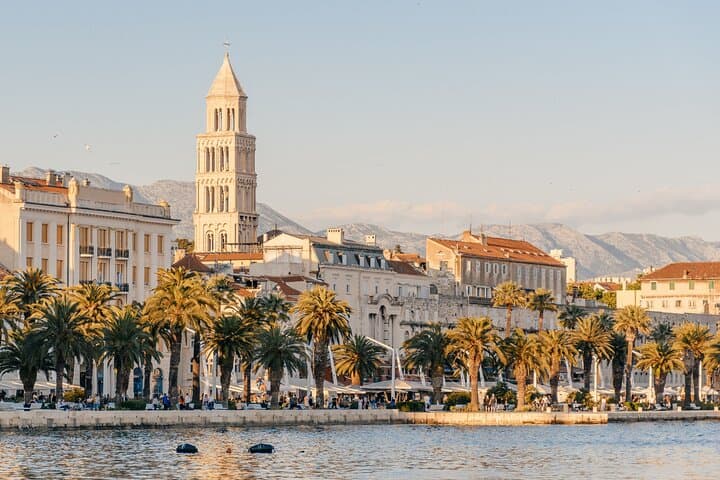
A morning on Split’s Riva begins with the city waking under a sharp Adriatic light: palms lean into the breeze, and footsteps echo off Roman stone. A self-guided audio tour lets travelers move at their own tempo—pausing in courtyards, climbing Marjan’s pine-shaded paths, or lingering over espresso at a harbor café.
A morning on Split’s Riva begins with the city waking under a sharp Adriatic light: palms lean into the breeze, and footsteps echo off Roman stone. A self-guided audio tour lets travelers move at their own tempo—pausing in courtyards, climbing Marjan’s pine-shaded paths, or lingering over espresso at a harbor café.
Split’s core is history made habitable. Diocletian’s Palace, carved from 4th-century Roman ambition, forms a living neighborhood of narrow alleys, cathedral bell towers and market stalls. The Dalmatian coast’s karst geology gives the islands their rocky profiles and clear cobalt water; beaches like Kaštelet sit where limestone meets sea, while Marjan Hill’s pines anchor views back to the city.
Local culture moves between the sea and the street: fishermen’s markets, maritime museums inside fortress walls, and a café culture that measures time in long cups. From Split’s harbor, ferries scatter to Hvar’s fortress, Vis’s secluded coves and the Blue Cave’s bright interior—each island offering different tempos and terrain.
Practical guidance: plan the route before you set out, download the audio maps for offline use and check ferry timetables in advance—services tighten outside peak season. Wear supportive shoes for cobbled streets and shale trails, carry sun protection and a refillable water bottle, and leave time for Krka or Plitvice if waterfalls are on your list. Respect protected areas: swim only in designated spots, follow posted signs in national parks, and pack out what you pack in. This is a day built from choices—choose early starts for quieter streets and late afternoons for warm light over the Adriatic.