THE ADVENTURE COLLECTIVE® · Independent discovery and booking for outdoor travel

Explore Stratford-upon-Avon at your own pace with an app-guided walk that hits Shakespeare’s key sites and hidden corners. Perfect for a one-hour cultural stop with offline maps, audio narration and a light local quiz.
Explore Stratford-upon-Avon at your own pace with an app-guided walk that hits Shakespeare’s key sites and hidden corners. Perfect for a one-hour cultural stop with offline maps, audio narration and a light local quiz.
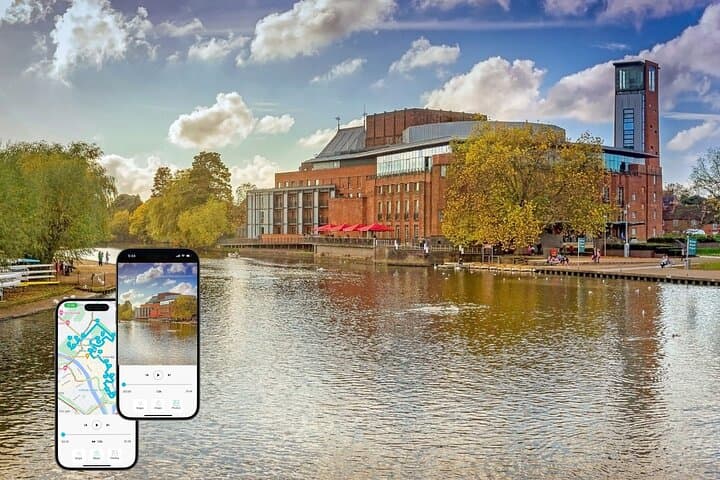
You step off the riverside and the Avon answers with a slow, steady push past timbered houses and stone bridges. The air smells of yeast from a nearby bakery and a theatre flyer flutters in the breeze; the town compels you to slow your pace and read the stones.
Verified experiences and guided adventures in the surrounding area.
Operated by Tourific · Stratford-upon-Avon, Warwickshire
You step off the riverside and the Avon answers with a slow, steady push past timbered houses and stone bridges. The air smells of yeast from a nearby bakery and a theatre flyer flutters in the breeze; the town compels you to slow your pace and read the stones.
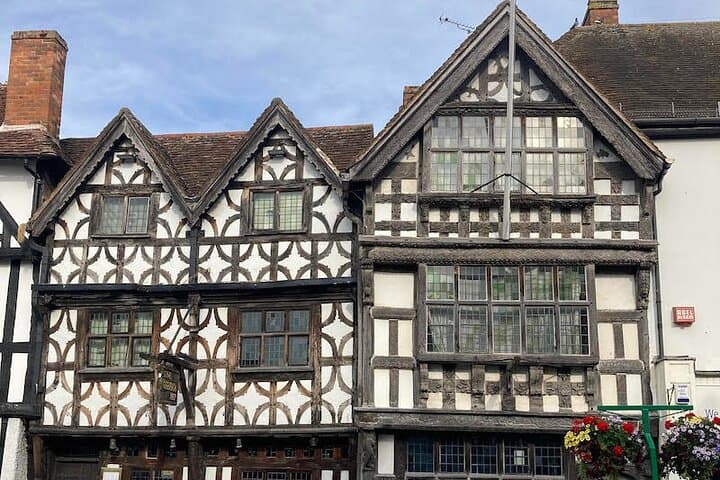
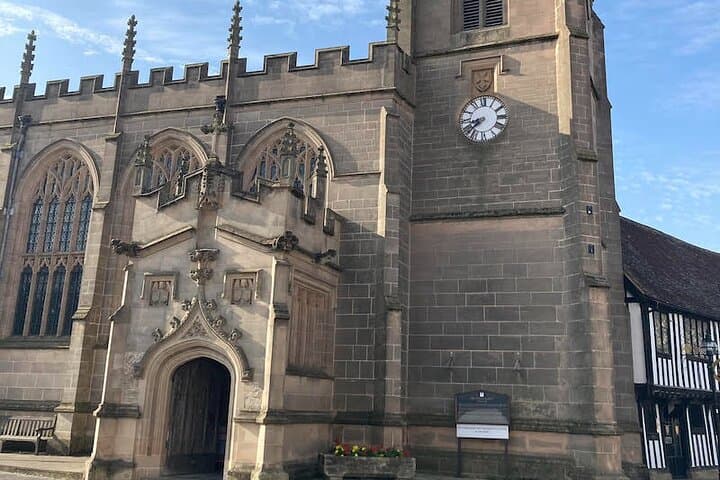
This self-guided stroll threads the core Shakespeare sites—his birthplace, school, final resting place and the Royal Shakespeare Theatre—while the app layers local stories, archival images and an optional quiz. Stratford-upon-Avon sits on glacial-era clays and river alluvium; the streets you walk were shaped by medieval trade and later Tudor rebuilding, visible in exposed beams and narrow lanes.
Culturally, the town is still defined by the Bard: festivals, repertory theatre and pubs where actors mingled with townsfolk for centuries. Expect a mix of Georgian facades and 16th-century architecture; geology plays a quiet role—lime-rich soils fed orchards that supported local commerce through the ages.
Practical guidance: the route is roughly 1–2 km on paved roads and cobbles with negligible elevation gain, suitable for most walkers and pushchairs. Download the app before you arrive to use the offline maps and audio; allow 60–90 minutes if you plan photos and a tea stop. Wear supportive shoes for cobbles and check opening times if you intend to enter sites like Shakespeare’s Birthplace—tickets inside are separate. Travel early morning or late afternoon to avoid coach crowds and enjoy softer light on the Avon.
This is a slow, attentive walk—history in measured steps, with the river daring you to look up and listen.
easy.
1–1.5 hours.
Suitable for most fitness levels; gentle walking on paved surfaces with short stops.
The self-guided route covers roughly 1–2 km and typically takes about 60 minutes, longer if you stop to explore interiors or photograph sites.
No; the walking tour is separate. You can view exterior sites on the route—book entrance tickets to must-see houses in advance if you plan to go inside.
Mostly, yes—paved sidewalks are common, but expect short cobbled sections and occasional steps near older buildings.
Yes, the app works offline once downloaded; bring rain gear and allow for possible indoor stops at cafés or museums if weather turns.
Stratford evolved from a medieval market town into a centre of Tudor culture largely because of the trade routes along the Avon and later patronage tied to Shakespeare’s legacy.
High foot traffic is concentrated in the centre—stick to paths, respect private gardens and support local conservation-led initiatives and theatre fundraising when possible.
Tourific operates guided outdoor trips and adventures with an emphasis on safety, stewardship, and memorable experiences.

You step off the riverside and the Avon answers with a slow, steady push past timbered houses and stone bridges. The air smells of yeast from a nearby bakery and a theatre flyer flutters in the breeze; the town compels you to slow your pace and read the stones.
You step off the riverside and the Avon answers with a slow, steady push past timbered houses and stone bridges. The air smells of yeast from a nearby bakery and a theatre flyer flutters in the breeze; the town compels you to slow your pace and read the stones.
This self-guided stroll threads the core Shakespeare sites—his birthplace, school, final resting place and the Royal Shakespeare Theatre—while the app layers local stories, archival images and an optional quiz. Stratford-upon-Avon sits on glacial-era clays and river alluvium; the streets you walk were shaped by medieval trade and later Tudor rebuilding, visible in exposed beams and narrow lanes.
Culturally, the town is still defined by the Bard: festivals, repertory theatre and pubs where actors mingled with townsfolk for centuries. Expect a mix of Georgian facades and 16th-century architecture; geology plays a quiet role—lime-rich soils fed orchards that supported local commerce through the ages.
Practical guidance: the route is roughly 1–2 km on paved roads and cobbles with negligible elevation gain, suitable for most walkers and pushchairs. Download the app before you arrive to use the offline maps and audio; allow 60–90 minutes if you plan photos and a tea stop. Wear supportive shoes for cobbles and check opening times if you intend to enter sites like Shakespeare’s Birthplace—tickets inside are separate. Travel early morning or late afternoon to avoid coach crowds and enjoy softer light on the Avon.
This is a slow, attentive walk—history in measured steps, with the river daring you to look up and listen.