THE ADVENTURE COLLECTIVE® · Independent discovery and booking for outdoor travel

Walk Stratford’s streets on your own timetable with a GPS-driven audio guide that points out Shakespeare’s homes, churches, theatres and riverside scenes. It’s a 30–45 minute self-paced loop with offline maps and turn-by-turn directions—perfect for history-minded travelers seeking flexibility.
Walk Stratford’s streets on your own timetable with a GPS-driven audio guide that points out Shakespeare’s homes, churches, theatres and riverside scenes. It’s a 30–45 minute self-paced loop with offline maps and turn-by-turn directions—perfect for history-minded travelers seeking flexibility.
On a cool morning beside the River Avon, footsteps echo on timber-framed streets as an audio narrator cues the next stop. The tour begins at the Jester statue; headphones on, the town reshapes itself into the 16th century—market stalls, the murmur of apprentices, and the river that slices a green curve through town.
Verified experiences and guided adventures in the surrounding area.
Operated by VoiceMap Audio Tours · Stratford-upon-Avon, Warwickshire
On a cool morning beside the River Avon, footsteps echo on timber-framed streets as an audio narrator cues the next stop. The tour begins at the Jester statue; headphones on, the town reshapes itself into the 16th century—market stalls, the murmur of apprentices, and the river that slices a green curve through town.
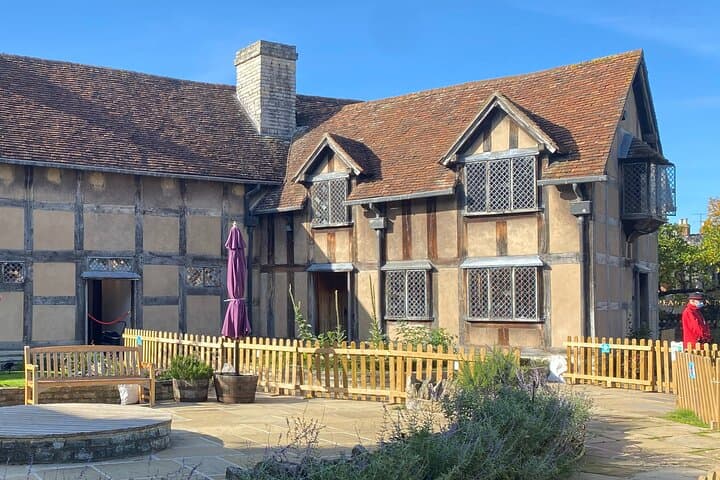
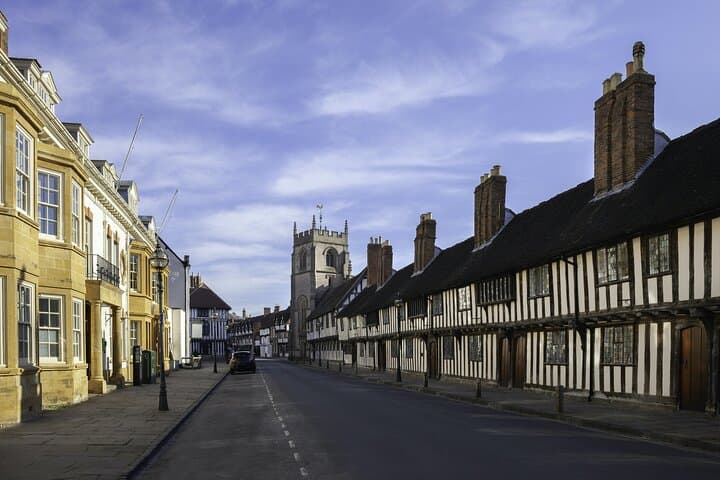
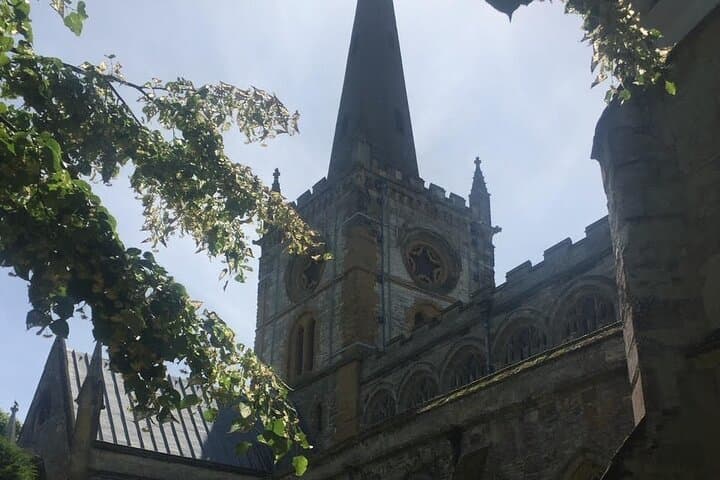
Stratford grew from a medieval market into the place that made William Shakespeare both a local and a global figure. The walk traces façades and bridges shaped by local sandstone and timber framing, moves past the Royal Shakespeare Theatre of modern brick and glass, and finishes near New Place where the playwright once lived. Expect cultural context about parish life, the schoolroom that shaped a young writer, and the curse carved into Shakespeare’s own tomb at Holy Trinity.
Practicality guides the experience: the audio tour is self-paced (30–45 minutes standard), works offline via the VoiceMap app, and gives turn-by-turn GPS cues so visitors control timing and linger where they like. Terrain is flat, cobbled in places, with short steps at church and theatre entrances. Peak visitor hours midday mean churches and museums can be busy; early morning or late afternoon offers quieter river views and better light for photos.
Bring a charged phone, comfortable shoes, a light waterproof, and a pair of quality in-ear headphones. The route suits family groups and solo travelers who want an informed, flexible way to explore Stratford’s streets without a scheduled guide.
easy.
30–45 minutes.
Suitable for all fitness levels; requires standing and walking on flat, sometimes uneven surfaces for up to an hour.
The standard self-guided route takes about 30–45 minutes, but you can pause and extend your visit at any stop.
No—download the tour content and maps in the VoiceMap app beforehand to use it offline.
The tour starts next to the Jester statue and finishes a short walk from Shakespeare’s New Place, forming a compact loop through central Stratford.
Yes; the route is flat and easy, though some attractions en route may have steps—check accessibility for specific sites like Holy Trinity Church.
Stratford’s streets preserve Tudor timber-framed houses and the parish church where Shakespeare was baptized and buried, reflecting the town’s rise as a market and cultural center in the 16th century.
High foot traffic concentrates on historic streets and riverbanks; stick to paths, avoid feeding wildlife, and support local conservation efforts by using marked walkways and disposing of waste properly.
VoiceMap Audio Tours operates guided outdoor trips and adventures with an emphasis on safety, stewardship, and memorable experiences.
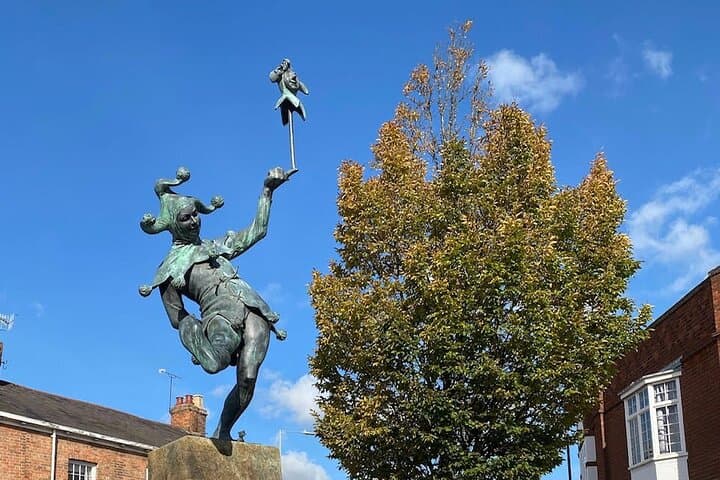
On a cool morning beside the River Avon, footsteps echo on timber-framed streets as an audio narrator cues the next stop. The tour begins at the Jester statue; headphones on, the town reshapes itself into the 16th century—market stalls, the murmur of apprentices, and the river that slices a green curve through town.
On a cool morning beside the River Avon, footsteps echo on timber-framed streets as an audio narrator cues the next stop. The tour begins at the Jester statue; headphones on, the town reshapes itself into the 16th century—market stalls, the murmur of apprentices, and the river that slices a green curve through town.
Stratford grew from a medieval market into the place that made William Shakespeare both a local and a global figure. The walk traces façades and bridges shaped by local sandstone and timber framing, moves past the Royal Shakespeare Theatre of modern brick and glass, and finishes near New Place where the playwright once lived. Expect cultural context about parish life, the schoolroom that shaped a young writer, and the curse carved into Shakespeare’s own tomb at Holy Trinity.
Practicality guides the experience: the audio tour is self-paced (30–45 minutes standard), works offline via the VoiceMap app, and gives turn-by-turn GPS cues so visitors control timing and linger where they like. Terrain is flat, cobbled in places, with short steps at church and theatre entrances. Peak visitor hours midday mean churches and museums can be busy; early morning or late afternoon offers quieter river views and better light for photos.
Bring a charged phone, comfortable shoes, a light waterproof, and a pair of quality in-ear headphones. The route suits family groups and solo travelers who want an informed, flexible way to explore Stratford’s streets without a scheduled guide.