THE ADVENTURE COLLECTIVE® · Independent discovery and booking for outdoor travel

Explore the Seven Rila Lakes at your own pace with GPS tracks and guide notes—six hours of alpine bowls, glacial geology and sweeping views. This self-guided day trip from Sofia pairs practical navigation support with high-mountain scenery.
Explore the Seven Rila Lakes at your own pace with GPS tracks and guide notes—six hours of alpine bowls, glacial geology and sweeping views. This self-guided day trip from Sofia pairs practical navigation support with high-mountain scenery.
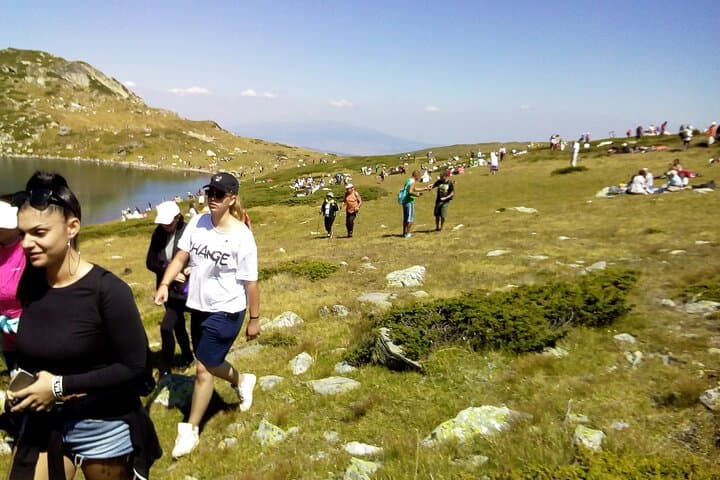
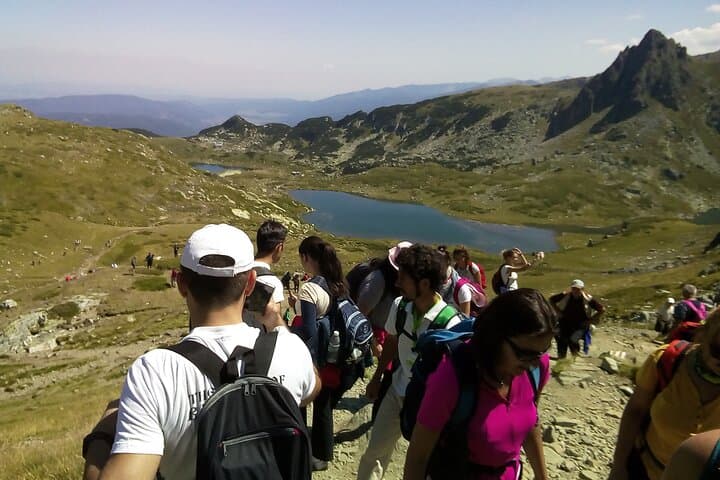
A thin mountain wind pushes across the glacial bowls above the treeline, nudging vapor off the mirror-smooth lakes. On a self-guided day here, hikers move between bright, jewel-like basins—the Eye, the Tear, the Kidney—each pool catching the sky like a held breath.
Verified experiences and guided adventures in the surrounding area.
Operated by VisitBulgariaOn Bespoke Experiences · Sapareva Banya, Kyustendil Province
A thin mountain wind pushes across the glacial bowls above the treeline, nudging vapor off the mirror-smooth lakes. On a self-guided day here, hikers move between bright, jewel-like basins—the Eye, the Tear, the Kidney—each pool catching the sky like a held breath.
The Seven Rila Lakes sit in carved cirques left by Pleistocene glaciers; their stepped arrangement tells the geology of ice and melt. The range has been a cultural crossroads for centuries—Rila Monastery, founded by St. Ivan Rilski, lies downstream—so the landscape blends natural history with local mountain lore. Shepherd tracks and wartime routes still lace the slopes, and the plateau’s granite and schist reveal how the massif pushed up over millennia.
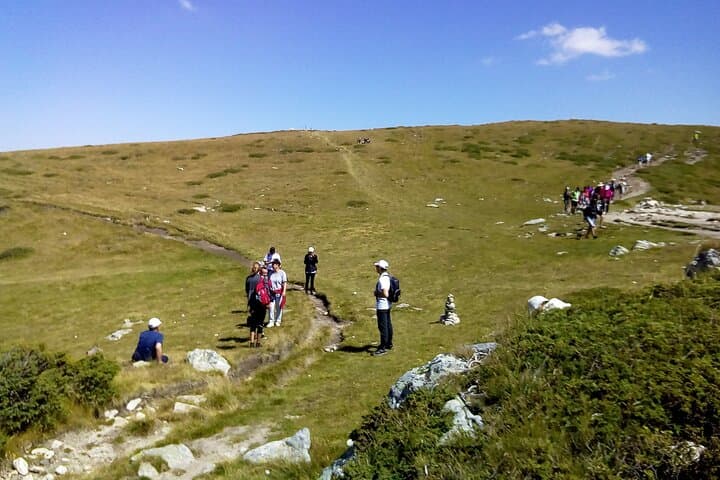
On a self-guided route you’ll feel the terrain press and relax: steep scree pitches that test feet, then gentle ridgelines that reward with long views toward Mt. Musala. The lakes themselves seem to watch the hiker, changing from glass to storm-marbled within an hour.
Practical guidance: expect a full day (roughly six hours with stops). Panichishte or the Chalets near Sapareva Banya are common access points; a morning start avoids afternoon storms. Follow provided GPS tracks closely—alpine trails can be poorly marked—and carry at least 2–3 liters of water, layered clothing, and navigation backup. Respect alpine meadows—stay on trail and pack out waste. For groups with mixed fitness, plan shorter loops or turn-back points; the circuit rewards steady pace and attention to weather. With preparation, this self-guided outing delivers the Rila’s best alpine scenery on your own terms.
moderate.
6 hours.
Moderate—comfortable with sustained uphill, 600–900 m elevation change and uneven terrain
No permit is required for day hiking; this listing supplies GPS tracks and notes so experienced hikers can self-navigate, but local park rules still apply—respect signs and closures.
Most self-guided itineraries start from Panichishte or Sapareva Banya; these are accessible by car or regional bus from Sofia (1–2 hours depending on route).
Late June through September offers the most stable conditions; earlier in spring expect snow patches, and winter requires technical skills and equipment.
Facilities are limited—basic amenities at Panichishte and nearby chalets, but bring enough water and treat any stream water before drinking.
The Rila massif has long been a spiritual and rural heartland; nearby Rila Monastery dates to the 10th century and shaped local pilgrimage routes.
Alpine vegetation is fragile—stick to trails, avoid trampling moraine meadows, and pack out all waste to limit human impact.
VisitBulgariaOn Bespoke Experiences operates guided outdoor trips and adventures with an emphasis on safety, stewardship, and memorable experiences.

A thin mountain wind pushes across the glacial bowls above the treeline, nudging vapor off the mirror-smooth lakes. On a self-guided day here, hikers move between bright, jewel-like basins—the Eye, the Tear, the Kidney—each pool catching the sky like a held breath.
A thin mountain wind pushes across the glacial bowls above the treeline, nudging vapor off the mirror-smooth lakes. On a self-guided day here, hikers move between bright, jewel-like basins—the Eye, the Tear, the Kidney—each pool catching the sky like a held breath.
The Seven Rila Lakes sit in carved cirques left by Pleistocene glaciers; their stepped arrangement tells the geology of ice and melt. The range has been a cultural crossroads for centuries—Rila Monastery, founded by St. Ivan Rilski, lies downstream—so the landscape blends natural history with local mountain lore. Shepherd tracks and wartime routes still lace the slopes, and the plateau’s granite and schist reveal how the massif pushed up over millennia.
On a self-guided route you’ll feel the terrain press and relax: steep scree pitches that test feet, then gentle ridgelines that reward with long views toward Mt. Musala. The lakes themselves seem to watch the hiker, changing from glass to storm-marbled within an hour.
Practical guidance: expect a full day (roughly six hours with stops). Panichishte or the Chalets near Sapareva Banya are common access points; a morning start avoids afternoon storms. Follow provided GPS tracks closely—alpine trails can be poorly marked—and carry at least 2–3 liters of water, layered clothing, and navigation backup. Respect alpine meadows—stay on trail and pack out waste. For groups with mixed fitness, plan shorter loops or turn-back points; the circuit rewards steady pace and attention to weather. With preparation, this self-guided outing delivers the Rila’s best alpine scenery on your own terms.