THE ADVENTURE COLLECTIVE® · Independent discovery and booking for outdoor travel

Explore Rotterdam’s modernist skyline and hidden alleys with a self-guided GPS game. Solve puzzles, snap photo tasks, and learn local stories at your own pace—one ticket covers a small group for about two hours of discovery.
Explore Rotterdam’s modernist skyline and hidden alleys with a self-guided GPS game. Solve puzzles, snap photo tasks, and learn local stories at your own pace—one ticket covers a small group for about two hours of discovery.
You start on a cobbled quay with the Nieuwe Maas daring you to look across at cranes and glass towers; the city hums like a harbor that never sleeps. This self-guided GPS exploration game sends players through Rotterdam’s rebuilt core—past the angular Cube Houses, under the sweep of the Erasmus Bridge, and into alleyways where murals and market stalls keep local stories alive.
Verified experiences and guided adventures in the surrounding area.
Operated by City Game · Rotterdam, South Holland
You start on a cobbled quay with the Nieuwe Maas daring you to look across at cranes and glass towers; the city hums like a harbor that never sleeps. This self-guided GPS exploration game sends players through Rotterdam’s rebuilt core—past the angular Cube Houses, under the sweep of the Erasmus Bridge, and into alleyways where murals and market stalls keep local stories alive.
Rotterdam’s history is blunt: the World War II bombardment cleared a path for bold, postwar modernism. Geologically the city sits on delta sediments of the Rhine–Meuse system, where reclaimed land and waterways shape streets, quays and the vast port that defined local culture and cuisine.
Culturally the game teases out characters and episodes—merchants, shipbuilders, and immigrant communities—using puzzles and photo tasks to reveal details even some locals miss. Expect short walking stretches on paved city routes, intermittent stairs, and busy pedestrian areas.
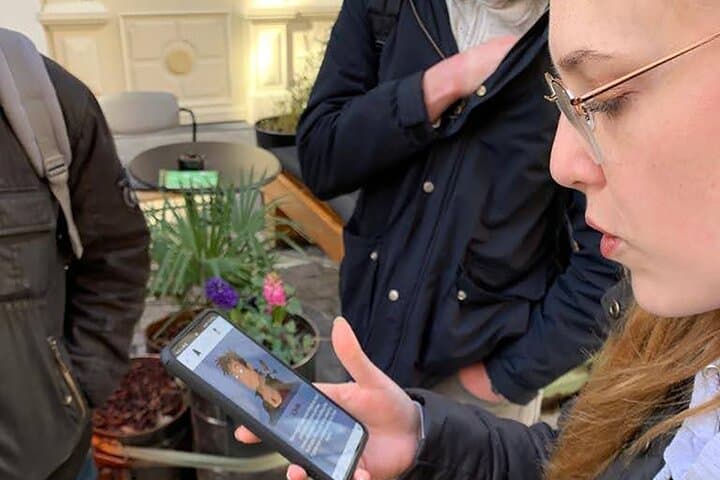
Practical guidance: book online, download the Loquiz app and follow the emailed login; one ticket covers up to four players on a single device. The route is self-paced (about two hours) and needs a reliable smartphone connection—carry a portable charger. Wear comfortable shoes, pick a quieter start time if you prefer fewer crowds, and use public transit to arrive; many checkpoints are within a compact central loop.
The experience blends low-impact urban exploration with light problem-solving—ideal for travelers who like history with movement. It’s accessible for most fitness levels but not recommended for those with serious heart or spinal conditions.
moderate.
2 hours (self-guided).
Light urban walking; participants should be able to walk 2–4 km and handle short periods of standing
One ticket covers 1–4 players using a single device; for groups larger than four, buy additional tickets so teams can run concurrently.
The written guide and puzzles are offered in English, German and Dutch—select your language after booking.
You must choose a date/time when booking, but you can begin the self-guided game whenever it suits you on that day—the route is flexible and pausable.
Much of the central loop is on paved streets and plazas, but there are some narrow passages and occasional steps; accessibility may vary by exact route and device handling.
Rotterdam was heavily bombed in 1940; the postwar rebuild created its distinctive modern architecture and wide boulevards that the game uses as landmarks.
Use public transit to reach the start, avoid littering in historic areas, and keep photo tasks respectful of private property and local businesses.
City Game operates guided outdoor trips and adventures with an emphasis on safety, stewardship, and memorable experiences.
You start on a cobbled quay with the Nieuwe Maas daring you to look across at cranes and glass towers; the city hums like a harbor that never sleeps. This self-guided GPS exploration game sends players through Rotterdam’s rebuilt core—past the angular Cube Houses, under the sweep of the Erasmus Bridge, and into alleyways where murals and market stalls keep local stories alive.
You start on a cobbled quay with the Nieuwe Maas daring you to look across at cranes and glass towers; the city hums like a harbor that never sleeps. This self-guided GPS exploration game sends players through Rotterdam’s rebuilt core—past the angular Cube Houses, under the sweep of the Erasmus Bridge, and into alleyways where murals and market stalls keep local stories alive.
Rotterdam’s history is blunt: the World War II bombardment cleared a path for bold, postwar modernism. Geologically the city sits on delta sediments of the Rhine–Meuse system, where reclaimed land and waterways shape streets, quays and the vast port that defined local culture and cuisine.
Culturally the game teases out characters and episodes—merchants, shipbuilders, and immigrant communities—using puzzles and photo tasks to reveal details even some locals miss. Expect short walking stretches on paved city routes, intermittent stairs, and busy pedestrian areas.
Practical guidance: book online, download the Loquiz app and follow the emailed login; one ticket covers up to four players on a single device. The route is self-paced (about two hours) and needs a reliable smartphone connection—carry a portable charger. Wear comfortable shoes, pick a quieter start time if you prefer fewer crowds, and use public transit to arrive; many checkpoints are within a compact central loop.
The experience blends low-impact urban exploration with light problem-solving—ideal for travelers who like history with movement. It’s accessible for most fitness levels but not recommended for those with serious heart or spinal conditions.