THE ADVENTURE COLLECTIVE® · Independent discovery and booking for outdoor travel

Explore Maastricht with a phone-led puzzle walk that turns the historic center into a playable map. Solve riddles, complete photo tasks and uncover local stories at your own pace on this flexible two-hour self-guided game.
Explore Maastricht with a phone-led puzzle walk that turns the historic center into a playable map. Solve riddles, complete photo tasks and uncover local stories at your own pace on this flexible two-hour self-guided game.
You begin with a phone in your hand and a city that reads like an open book. Maastricht’s compact center narrows into alleys of red brick, squares where cafés spill onto flagstones, and the Maas river that dares you to follow its curve toward hidden corners. The game routes you past fortified gates, quiet hofjes and façades that hold centuries of civic life.
Verified experiences and guided adventures in the surrounding area.
Operated by City Game · Maastricht, Limburg
You begin with a phone in your hand and a city that reads like an open book. Maastricht’s compact center narrows into alleys of red brick, squares where cafés spill onto flagstones, and the Maas river that dares you to follow its curve toward hidden corners. The game routes you past fortified gates, quiet hofjes and façades that hold centuries of civic life.
Maastricht grew from a Roman river crossing into a fortified medieval market town and later a contested border city; that layered history is visible in its city walls, Basilica foundations and the limestone quarries of Sint-Pietersberg. Geology matters here — the marl beneath the streets carved cave systems and smoothed building stone — and the city’s character reflects trade, treaties and a cross-border Limburg culture with Dutch, French and German echoes.
Culturally the game leans local: puzzles reference Maastricht characters, folk landmarks and offbeat trivia you might miss on a standard walk. Practicalities are straightforward — the experience runs on the Loquiz app, one device per group (1–4 people), and takes about two hours at a steady pace. Expect mixed surfaces: cobbles, pedestrianized streets and short stair sections around old fortifications.
Plan for charged devices and comfortable shoes, and allow buffer time for café stops or detours into Wyck and Jekerkwartier. The route is flexible — start when you like — but check opening hours for indoor stops and be mindful of busy weekends. This is a mentally engaging stroll: part scavenger hunt, part city history lesson — ideal for curious travelers and small teams wanting an independent, playful way to explore Maastricht.
moderate.
2 hours.
Light to moderate walking fitness; ability to stand and walk on uneven ground for up to two hours.
One ticket covers a group of 1–4 people using a single device; larger groups should purchase additional tickets so everyone can participate comfortably.
No—while you choose a date/time at booking, the experience is self-guided and can be started whenever suits you during that day.
Written game materials are available in English, German and Dutch; make sure to select your preferred language when you receive the instructions by email.
Much of the center is pedestrian-friendly but includes cobblestones and some steps; accessibility varies by exact route—contact the operator for specifics if you need step-free options.
Maastricht began as a Roman ford and later became a fortified medieval and Early Modern border city; its architecture and tunnels reflect centuries of trade and conflict.
Historic center protections limit alterations to facades and streets—respect signage, avoid touching fragile stonework and use public bins to keep the old town clean.
City Game operates guided outdoor trips and adventures with an emphasis on safety, stewardship, and memorable experiences.

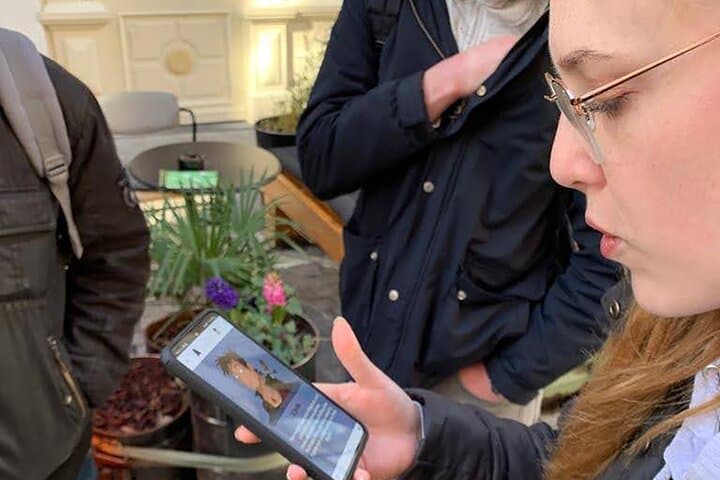
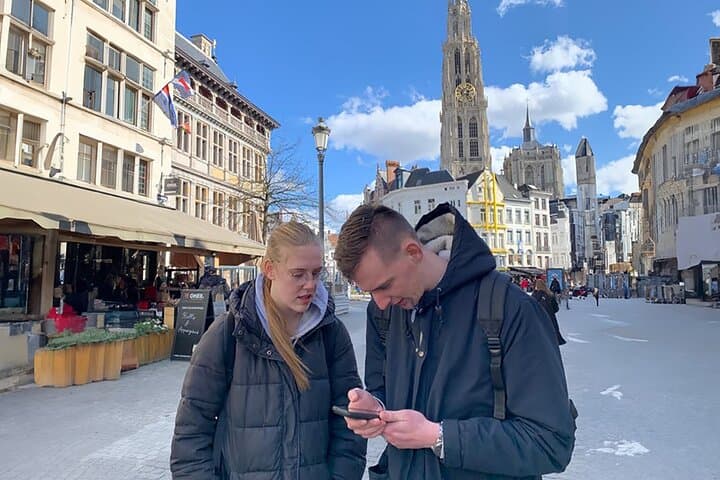

You begin with a phone in your hand and a city that reads like an open book. Maastricht’s compact center narrows into alleys of red brick, squares where cafés spill onto flagstones, and the Maas river that dares you to follow its curve toward hidden corners. The game routes you past fortified gates, quiet hofjes and façades that hold centuries of civic life.
You begin with a phone in your hand and a city that reads like an open book. Maastricht’s compact center narrows into alleys of red brick, squares where cafés spill onto flagstones, and the Maas river that dares you to follow its curve toward hidden corners. The game routes you past fortified gates, quiet hofjes and façades that hold centuries of civic life.
Maastricht grew from a Roman river crossing into a fortified medieval market town and later a contested border city; that layered history is visible in its city walls, Basilica foundations and the limestone quarries of Sint-Pietersberg. Geology matters here — the marl beneath the streets carved cave systems and smoothed building stone — and the city’s character reflects trade, treaties and a cross-border Limburg culture with Dutch, French and German echoes.
Culturally the game leans local: puzzles reference Maastricht characters, folk landmarks and offbeat trivia you might miss on a standard walk. Practicalities are straightforward — the experience runs on the Loquiz app, one device per group (1–4 people), and takes about two hours at a steady pace. Expect mixed surfaces: cobbles, pedestrianized streets and short stair sections around old fortifications.
Plan for charged devices and comfortable shoes, and allow buffer time for café stops or detours into Wyck and Jekerkwartier. The route is flexible — start when you like — but check opening hours for indoor stops and be mindful of busy weekends. This is a mentally engaging stroll: part scavenger hunt, part city history lesson — ideal for curious travelers and small teams wanting an independent, playful way to explore Maastricht.