THE ADVENTURE COLLECTIVE® · Independent discovery and booking for outdoor travel

Turn Santiago de Compostela into a live puzzle: an app-guided, self-paced scavenger hunt that leads from the cathedral to hidden plazas and viewpoints. Solve clues, spot local details, and learn the city’s history while walking at your own pace.
Turn Santiago de Compostela into a live puzzle: an app-guided, self-paced scavenger hunt that leads from the cathedral to hidden plazas and viewpoints. Solve clues, spot local details, and learn the city’s history while walking at your own pace.
You step off the stone steps into Praza do Obradoiro and the city breathes around you—granite façades cool beneath a northwestern wind that dares you to explore. The scavenger hunt sends you out from the cathedral into a living map of alleys, plazas, and shaded parks: Parque da Alameda’s viewpoints, the narrow lanes of the old quarter, and small squares where locals trade news over coffee.
Verified experiences and guided adventures in the surrounding area.
Operated by Explorial · Santiago de Compostela, Galicia
You step off the stone steps into Praza do Obradoiro and the city breathes around you—granite façades cool beneath a northwestern wind that dares you to explore. The scavenger hunt sends you out from the cathedral into a living map of alleys, plazas, and shaded parks: Parque da Alameda’s viewpoints, the narrow lanes of the old quarter, and small squares where locals trade news over coffee.
Santiago’s story is written in pilgrims’ marks and carved granite. The cathedral is the endpoint of the Camino de Santiago—a medieval pilgrimage that shaped trade, architecture, and the city’s dense urban fabric. Much of the old town sits on ancient granite outcrops that weather into the broad, worn stones underfoot; expect cobbles and shallow steps rather than smooth pavements.
Culturally the city blends liturgical ritual and contemporary student life—taprooms and museums rub shoulders with cloisters and bell towers. The tour’s clues point to civic history and local habits: look for inscriptions, public art, and market stalls where regional gastronomy shows up in bread and empanadas.
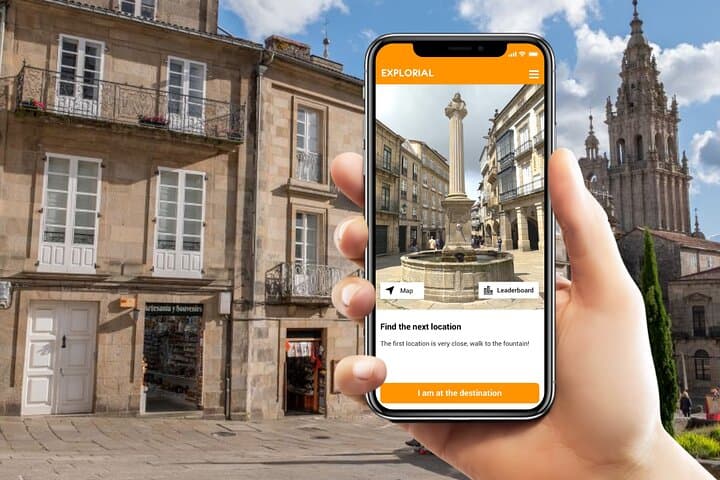
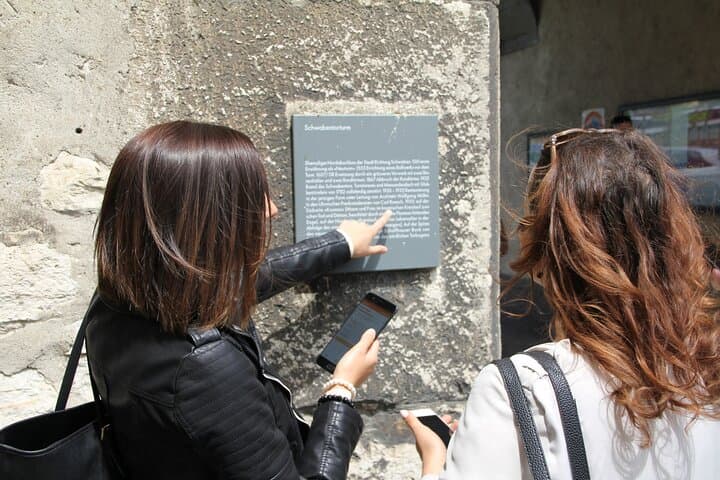
Practically, this is a self-paced, app-driven walk (Explorial-App). The game rewards observation—answers hide in plaques, storefronts, and façades—so bring a charged phone and comfortable shoes. Plan 1–2 hours, longer if you linger for tapas. Early morning or late afternoon avoids busier tourist windows and gives the light depth across granite surfaces.
This is an urban adventure: light effort, strong sense of place, and a playful way to learn Santiago’s layered past while tracing the routes that pilgrims once walked.
easy.
1–2 hours.
Light walking ability is sufficient; suitable for most adults and families but expect uneven cobbles.
After purchase you receive an access code and instructions; download the Explorial-App, enter the code, go to the starting point near Praza do Obradoiro, and begin.
The experience is offered in English and Spanish within the app; check the app language settings before you start.
The tour is rated easy but the historic center has cobbles, steps, and uneven surfaces—some sections may be difficult for wheelchairs or those with serious mobility issues.
Full refund available if you cancel at least 24 hours before the scheduled start time; tickets are mobile-friendly and one access code is issued per booking.
Santiago grew around the cathedral that anchors the Camino de Santiago; the old town’s layout reflects centuries of pilgrimage, trade, and ecclesiastical influence.
The historic center is a UNESCO World Heritage site—stick to marked paths, avoid graffiti, and use refillable bottles to limit waste and foot-traffic impact.
Explorial operates guided outdoor trips and adventures with an emphasis on safety, stewardship, and memorable experiences.

You step off the stone steps into Praza do Obradoiro and the city breathes around you—granite façades cool beneath a northwestern wind that dares you to explore. The scavenger hunt sends you out from the cathedral into a living map of alleys, plazas, and shaded parks: Parque da Alameda’s viewpoints, the narrow lanes of the old quarter, and small squares where locals trade news over coffee.
You step off the stone steps into Praza do Obradoiro and the city breathes around you—granite façades cool beneath a northwestern wind that dares you to explore. The scavenger hunt sends you out from the cathedral into a living map of alleys, plazas, and shaded parks: Parque da Alameda’s viewpoints, the narrow lanes of the old quarter, and small squares where locals trade news over coffee.
Santiago’s story is written in pilgrims’ marks and carved granite. The cathedral is the endpoint of the Camino de Santiago—a medieval pilgrimage that shaped trade, architecture, and the city’s dense urban fabric. Much of the old town sits on ancient granite outcrops that weather into the broad, worn stones underfoot; expect cobbles and shallow steps rather than smooth pavements.
Culturally the city blends liturgical ritual and contemporary student life—taprooms and museums rub shoulders with cloisters and bell towers. The tour’s clues point to civic history and local habits: look for inscriptions, public art, and market stalls where regional gastronomy shows up in bread and empanadas.
Practically, this is a self-paced, app-driven walk (Explorial-App). The game rewards observation—answers hide in plaques, storefronts, and façades—so bring a charged phone and comfortable shoes. Plan 1–2 hours, longer if you linger for tapas. Early morning or late afternoon avoids busier tourist windows and gives the light depth across granite surfaces.
This is an urban adventure: light effort, strong sense of place, and a playful way to learn Santiago’s layered past while tracing the routes that pilgrims once walked.