THE ADVENTURE COLLECTIVE® · Independent discovery and booking for outdoor travel

A flexible, self-guided e‑tour that lets you explore Ruse — the Danube's lively port city — at your own pace. Follow a personalized digital guide through riverside promenades, historic squares and local museums on a 4–8 hour route.
A flexible, self-guided e‑tour that lets you explore Ruse — the Danube's lively port city — at your own pace. Follow a personalized digital guide through riverside promenades, historic squares and local museums on a 4–8 hour route.
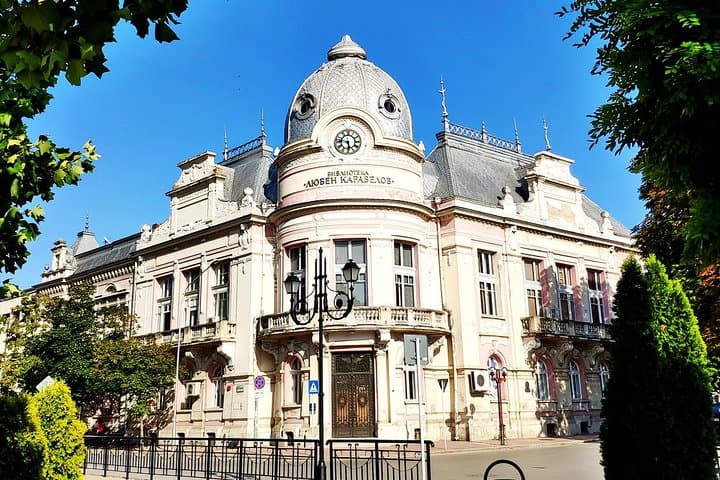
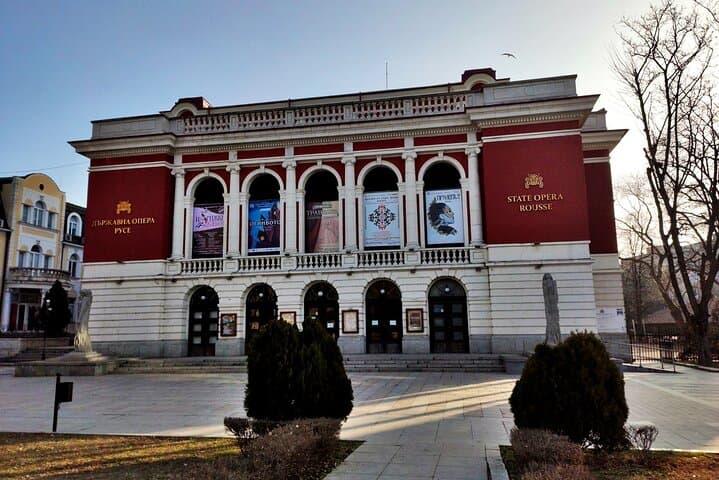
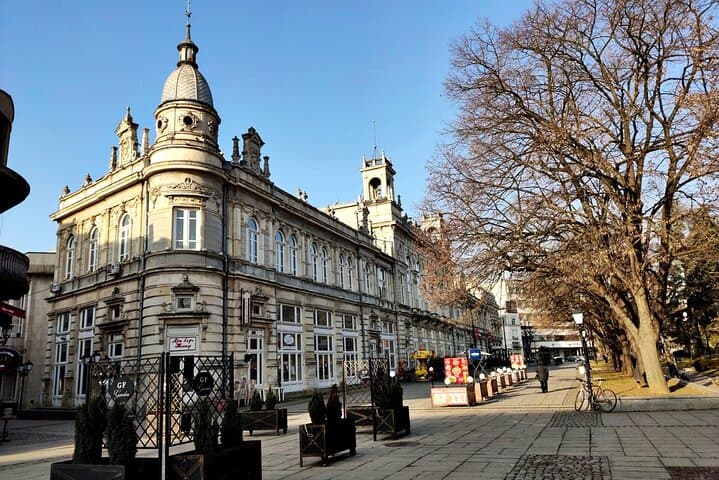
You arrive on the bank of the Danube and the river seems to dare you to slow down — wide, soft currents pushing past the city's quays as seagulls quarter the sky. Ruse opens with broad boulevards, Neo‑Baroque facades and a riverside promenade where people sip coffee and watch cargo barges glide by.
Verified experiences and guided adventures in the surrounding area.
Operated by VisitBulgariaOn Bespoke Experiences · Ruse, Ruse Province
You arrive on the bank of the Danube and the river seems to dare you to slow down — wide, soft currents pushing past the city's quays as seagulls quarter the sky. Ruse opens with broad boulevards, Neo‑Baroque facades and a riverside promenade where people sip coffee and watch cargo barges glide by.
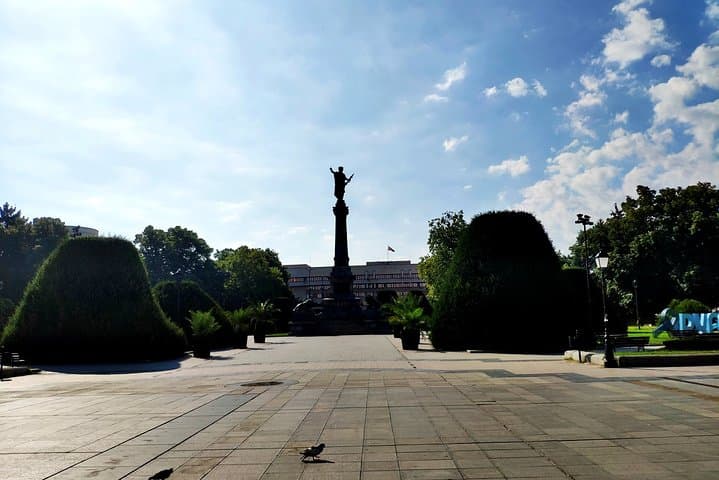
Ruse earned the nickname "the Danube pearl" during the 19th‑century economic boom; its stone buildings and civic squares reflect Austro‑Hungarian and Bulgarian National Revival influences. Geologically the city sits on the Danube's alluvial plain, where river sediments have shaped low, fertile banks and a ribbon of wetlands across the border into Romania. Culturally, Ruse is a working port with a strong civic identity — stops worth marking include the Pantheon of National Revival Heroes, the Regional Historical Museum and the promenade that fronts the Danube Bridge to Giurgiu.
This self‑guided product gives you a personalized e‑guide to follow at your own pace — a flexible 4–8 hour exploration that you can tailor to museums, cafes, and riverside walks. Expect mostly flat urban walking, easy navigation on paved streets, and pockets of quieter riverside green.
Practical guidance: load the guide onto a charged device, carry local currency (Bulgarian lev) for small museums and markets, and aim for morning museum visits or golden‑hour riverside light. If coming from Bucharest, allow time for border formalities and travel — the route suits a daytrip but rewards an overnight stay to take the city in without rush.
easy.
4–8 hours.
Suitable for most fitness levels; involves several hours of easy urban walking and short standing museum visits
The e‑guide is designed for independent exploration with curated routes, practical logistics and local context — no guide required.
Yes — the e‑guide can be personalized to begin from other Bulgarian towns or local starting points on request.
Plan 4–8 hours depending on how many museums and riverside breaks you include; many travelers make it a relaxed daytrip or an overnight stay.
If arriving from Romania, bring your passport for crossing and carry Bulgarian lev for smaller purchases; many larger vendors accept cards.
Ruse blossomed as a major Danube port in the 19th century, with civic architecture reflecting European influences from that era and strong ties to Bulgaria's National Revival.
The Danube's riparian zones are sensitive; stick to marked paths along wetlands and avoid disturbing nesting birds while photographing the river.
VisitBulgariaOn Bespoke Experiences operates guided outdoor trips and adventures with an emphasis on safety, stewardship, and memorable experiences.
You arrive on the bank of the Danube and the river seems to dare you to slow down — wide, soft currents pushing past the city's quays as seagulls quarter the sky. Ruse opens with broad boulevards, Neo‑Baroque facades and a riverside promenade where people sip coffee and watch cargo barges glide by.
You arrive on the bank of the Danube and the river seems to dare you to slow down — wide, soft currents pushing past the city's quays as seagulls quarter the sky. Ruse opens with broad boulevards, Neo‑Baroque facades and a riverside promenade where people sip coffee and watch cargo barges glide by.
Ruse earned the nickname "the Danube pearl" during the 19th‑century economic boom; its stone buildings and civic squares reflect Austro‑Hungarian and Bulgarian National Revival influences. Geologically the city sits on the Danube's alluvial plain, where river sediments have shaped low, fertile banks and a ribbon of wetlands across the border into Romania. Culturally, Ruse is a working port with a strong civic identity — stops worth marking include the Pantheon of National Revival Heroes, the Regional Historical Museum and the promenade that fronts the Danube Bridge to Giurgiu.
This self‑guided product gives you a personalized e‑guide to follow at your own pace — a flexible 4–8 hour exploration that you can tailor to museums, cafes, and riverside walks. Expect mostly flat urban walking, easy navigation on paved streets, and pockets of quieter riverside green.
Practical guidance: load the guide onto a charged device, carry local currency (Bulgarian lev) for small museums and markets, and aim for morning museum visits or golden‑hour riverside light. If coming from Bucharest, allow time for border formalities and travel — the route suits a daytrip but rewards an overnight stay to take the city in without rush.