THE ADVENTURE COLLECTIVE® · Independent discovery and booking for outdoor travel

Walk through the Colosseum, Palatine Hill and Roman Forum at your own pace with an audio guide app and skip-the-line access. This self-guided experience pairs deep history with pragmatic advice—ideal for visitors who want context without a strict itinerary.
Walk through the Colosseum, Palatine Hill and Roman Forum at your own pace with an audio guide app and skip-the-line access. This self-guided experience pairs deep history with pragmatic advice—ideal for visitors who want context without a strict itinerary.
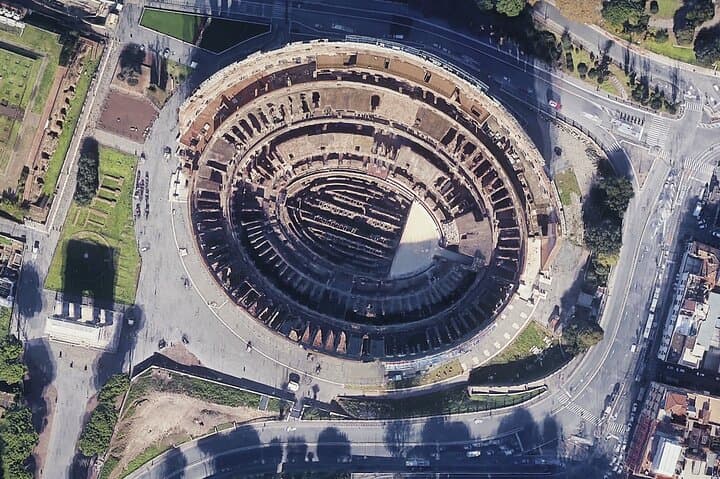
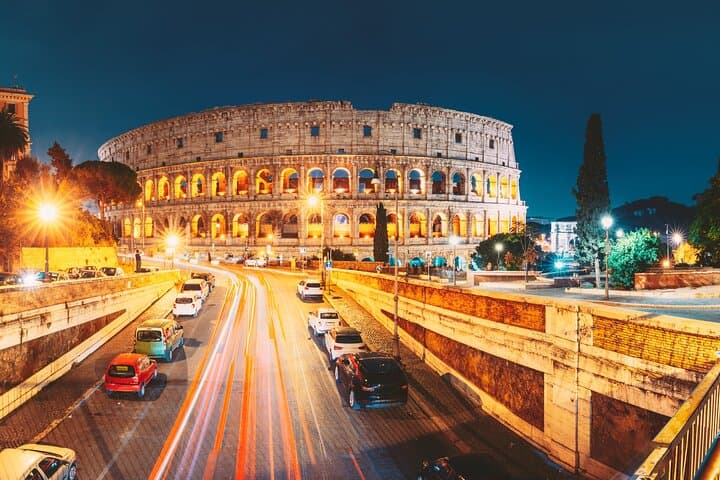
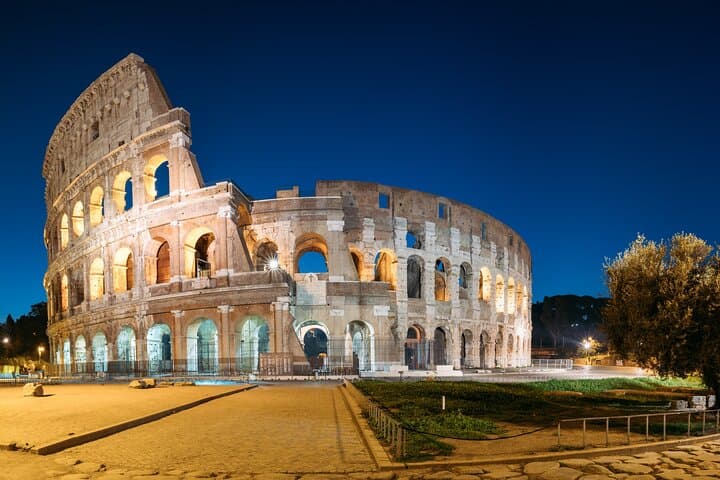
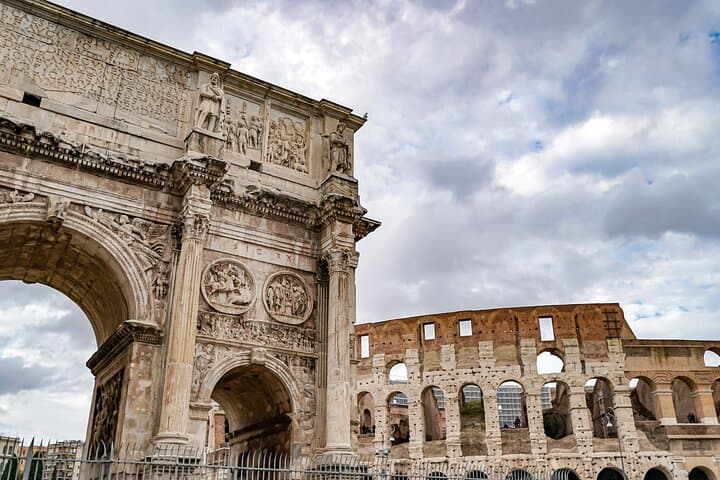
You push through the gate and the city opens into stone—a raw, sun-warmed arena where echoes of argument and applause still seem to shift in the passages. The Colosseum’s tiers rise like weathered rings of a living organism; the Forum stretches ahead, a rough plan of columns and broken pedestals, and Palatine Hill crowns them with gardens and the ghost outlines of imperial houses.
Verified experiences and guided adventures in the surrounding area.
Operated by Bayroutes · Rome, Lazio
You push through the gate and the city opens into stone—a raw, sun-warmed arena where echoes of argument and applause still seem to shift in the passages. The Colosseum’s tiers rise like weathered rings of a living organism; the Forum stretches ahead, a rough plan of columns and broken pedestals, and Palatine Hill crowns them with gardens and the ghost outlines of imperial houses.
Built from travertine, tuff, and early Roman concrete between 70–80 AD, this cluster of sites maps Rome’s political and social spine: the Colosseum for spectacle, the Forum for public life, Palatine for elite residence. Geology shows in every surface—the porous tufa cut for foundations and the hard travertine blocks polished by centuries of rain and hands. Culture here is layered: pagan temples, Christian reuse, medieval houses, and modern Rome rubbing shoulders in narrow alleys.
Practical sense guides this visit. The audio guide app hands you context on demand—use it to set scenes as you move rather than to replace looking. Expect cobbles, uneven steps, and open sun on the Arena floor; shade pockets appear on the Palatine slopes. Start early to avoid midday heat and the thickest crowds; plan 3–5 hours if you want to explore thoughtfully.
Bring water, charge your phone, and move deliberately—these ruins require a steady pace and respect. Follow ropes, avoid stepping on fragile masonry, and leave the stones to their work of teaching. With the right prep this self-guided ticket lets you linger where the past still insists on being heard.
moderate.
3–5 hours.
Moderate level of fitness: able to walk several miles over uneven terrain and stairs with occasional climbs.
Yes — the ticket includes admission to the Colosseum, Palatine Hill and Roman Forum plus access to the audio guide app; mobile tickets are accepted.
The audio app provides narrated context and navigation for a self-guided visit; a live guide is optional if you prefer a group commentary and Q&A.
Plan 3–5 hours to comfortably visit the Colosseum, explore Palatine Hill and walk the Forum with time to start and pause with the audio app.
Parts of the Colosseum and some Forum areas offer limited wheelchair access, but many surfaces are uneven and include stairs; check site accessibility maps and request assistance if needed.
The Colosseum was begun under Emperor Vespasian and completed by Titus around 80 AD; the Forum evolved over centuries as Rome’s civic and religious center.
Heavy foot traffic and weathering threaten exposed ruins—follow barriers, avoid touching masonry, and use refillable bottles to reduce plastic waste around the sites.
Bayroutes operates guided outdoor trips and adventures with an emphasis on safety, stewardship, and memorable experiences.
You push through the gate and the city opens into stone—a raw, sun-warmed arena where echoes of argument and applause still seem to shift in the passages. The Colosseum’s tiers rise like weathered rings of a living organism; the Forum stretches ahead, a rough plan of columns and broken pedestals, and Palatine Hill crowns them with gardens and the ghost outlines of imperial houses.
You push through the gate and the city opens into stone—a raw, sun-warmed arena where echoes of argument and applause still seem to shift in the passages. The Colosseum’s tiers rise like weathered rings of a living organism; the Forum stretches ahead, a rough plan of columns and broken pedestals, and Palatine Hill crowns them with gardens and the ghost outlines of imperial houses.
Built from travertine, tuff, and early Roman concrete between 70–80 AD, this cluster of sites maps Rome’s political and social spine: the Colosseum for spectacle, the Forum for public life, Palatine for elite residence. Geology shows in every surface—the porous tufa cut for foundations and the hard travertine blocks polished by centuries of rain and hands. Culture here is layered: pagan temples, Christian reuse, medieval houses, and modern Rome rubbing shoulders in narrow alleys.
Practical sense guides this visit. The audio guide app hands you context on demand—use it to set scenes as you move rather than to replace looking. Expect cobbles, uneven steps, and open sun on the Arena floor; shade pockets appear on the Palatine slopes. Start early to avoid midday heat and the thickest crowds; plan 3–5 hours if you want to explore thoughtfully.
Bring water, charge your phone, and move deliberately—these ruins require a steady pace and respect. Follow ropes, avoid stepping on fragile masonry, and leave the stones to their work of teaching. With the right prep this self-guided ticket lets you linger where the past still insists on being heard.