THE ADVENTURE COLLECTIVE® · Independent discovery and booking for outdoor travel

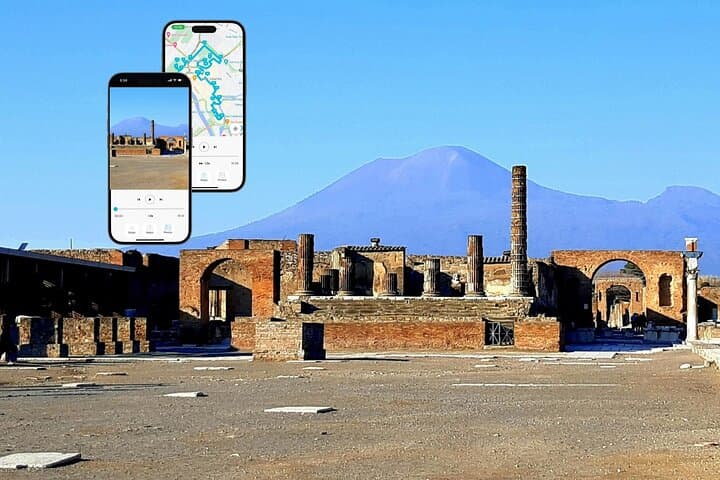
Walk Pompeii at your own pace with a mobile audio guide that maps 15+ stops across the ruins. Download the offline tour, follow the app’s navigation, and explore streets, baths and houses while learning how life stopped—and was preserved—by Vesuvius.
Walk Pompeii at your own pace with a mobile audio guide that maps 15+ stops across the ruins. Download the offline tour, follow the app’s navigation, and explore streets, baths and houses while learning how life stopped—and was preserved—by Vesuvius.
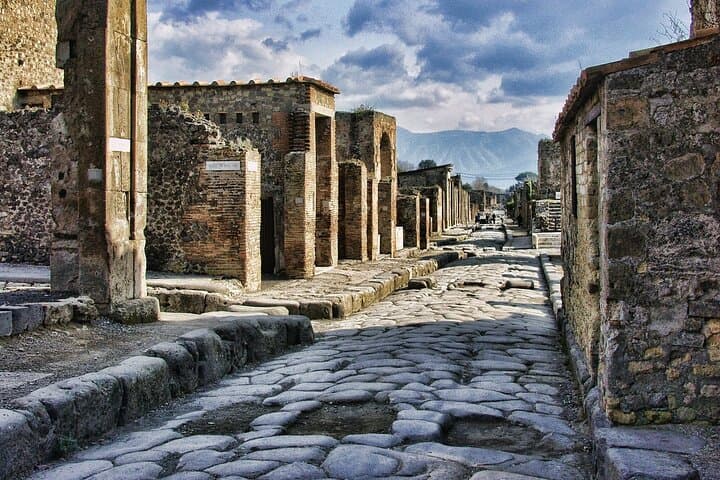
You step through an arch and the city changes: the gravel crunches underfoot, stone drains still guide rain, and silence carries the echo of voices from two thousand years ago.
Verified experiences and guided adventures in the surrounding area.
Operated by Tourific · Pompeii, Campania
You step through an arch and the city changes: the gravel crunches underfoot, stone drains still guide rain, and silence carries the echo of voices from two thousand years ago.
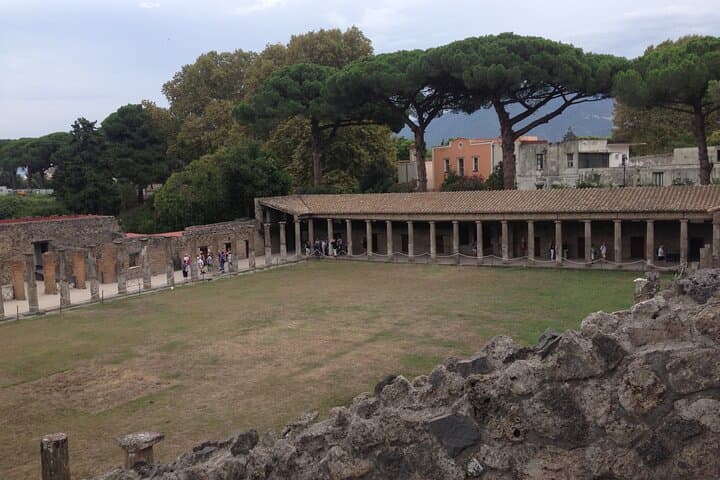
Pompeii was trapped in ash and pumice when Mount Vesuvius erupted in AD 79; the volcanic material sealed homes, frescoes and daily objects in remarkable detail. Walk the original cardo and decumanus, pass baths where marble met conversation, and climb a small stretch of forum steps while the app places each stop in time. Geology and history meet here—the volcanic surge that destroyed the town also preserved it, leaving layers archaeologists peel back since the 18th century.
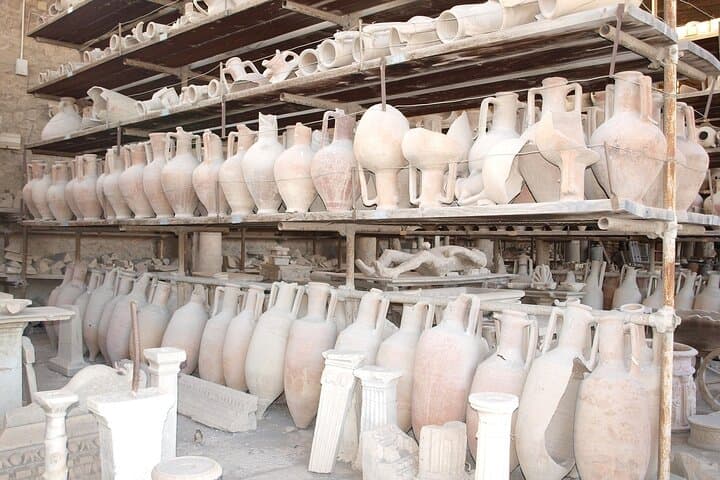
Local life still surfaces: market trades reborn in museum displays, cafés nearby serving espresso with views of the city walls, and artisans in surrounding towns keeping ancient ceramic traditions alive. The audio guide highlights the practical and the human—household layouts, plumbing systems, and the ways Pompeiians entertained and worked.
Practical guidance: download the tour and maps before arrival to avoid using data; the site is large and partly exposed to sun, so plan a 90-minute core walk but allow extra time for detours. Wear sturdy walking shoes for uneven stone and bring water—fountains are sparse. Respect conservation signage: frescoes and mosaics are fragile. Start early to avoid the busiest hours and follow marked paths to protect both the ruins and your safety.
This self-guided format suits travelers who prefer exploring at their own pace while following a structured, informative narrative.
easy.
1.5 hours (core); allow 2–3 hours with detours.
Suitable for most fitness levels but requires standing and walking on uneven ground for up to a few hours
This product is a mobile self‑guided tour only and does not include park admission; purchase official site tickets separately.
Yes—once downloaded the app and audio play without an internet connection, but you must download before entering.
The app offers multiple languages for audio and written guides; check language options in the app before purchase.
Much of the archaeological park has uneven surfaces and steps; the tour does not follow fully wheelchair accessible routes to all points.
Pompeii was buried in AD 79 by Vesuvius’s pyroclastic flows; excavation since the 1700s revealed an urban snapshot of Roman life.
Foot traffic, weathering and past restoration methods threaten delicate surfaces—follow paths, avoid touching artifacts, and support tickets and local conservation efforts.
Tourific operates guided outdoor trips and adventures with an emphasis on safety, stewardship, and memorable experiences.
You step through an arch and the city changes: the gravel crunches underfoot, stone drains still guide rain, and silence carries the echo of voices from two thousand years ago.
You step through an arch and the city changes: the gravel crunches underfoot, stone drains still guide rain, and silence carries the echo of voices from two thousand years ago.
Pompeii was trapped in ash and pumice when Mount Vesuvius erupted in AD 79; the volcanic material sealed homes, frescoes and daily objects in remarkable detail. Walk the original cardo and decumanus, pass baths where marble met conversation, and climb a small stretch of forum steps while the app places each stop in time. Geology and history meet here—the volcanic surge that destroyed the town also preserved it, leaving layers archaeologists peel back since the 18th century.
Local life still surfaces: market trades reborn in museum displays, cafés nearby serving espresso with views of the city walls, and artisans in surrounding towns keeping ancient ceramic traditions alive. The audio guide highlights the practical and the human—household layouts, plumbing systems, and the ways Pompeiians entertained and worked.
Practical guidance: download the tour and maps before arrival to avoid using data; the site is large and partly exposed to sun, so plan a 90-minute core walk but allow extra time for detours. Wear sturdy walking shoes for uneven stone and bring water—fountains are sparse. Respect conservation signage: frescoes and mosaics are fragile. Start early to avoid the busiest hours and follow marked paths to protect both the ruins and your safety.
This self-guided format suits travelers who prefer exploring at their own pace while following a structured, informative narrative.