THE ADVENTURE COLLECTIVE® · Independent discovery and booking for outdoor travel

Walk Pimlico at your own pace with a self-guided audio tour that traces Thomas Cubitt’s terraces, blue plaques, and the curious history of Dolphin Square. Download once, play anywhere, and linger where the stories invite you.
Walk Pimlico at your own pace with a self-guided audio tour that traces Thomas Cubitt’s terraces, blue plaques, and the curious history of Dolphin Square. Download once, play anywhere, and linger where the stories invite you.
You step off a bright‑red bus and the city contracts into a single neighborhood: Pimlico’s broad terraces and quiet squares. The pavement underfoot is the work of Thomas Cubitt — its clean brick facades and regimented terraces feel designed to guide your eye along a line of history. Put your headphones in, start the VoiceMap track, and the street around you begins to speak.
Verified experiences and guided adventures in the surrounding area.
Operated by VoiceMap Audio Tours · London, England
You step off a bright‑red bus and the city contracts into a single neighborhood: Pimlico’s broad terraces and quiet squares. The pavement underfoot is the work of Thomas Cubitt — its clean brick facades and regimented terraces feel designed to guide your eye along a line of history. Put your headphones in, start the VoiceMap track, and the street around you begins to speak.
This short tour threads pageant and pragmatism: 19th‑century building booms under Cubitt, the social-reform ideas baked into model housing, and later layers — artists, actors, civil servants and the sometimes secretive residents of Dolphin Square. Geology isn’t dramatic here, but London’s riverine plain shapes the street grid; the Thames is a constant presence, its tidal moods pulling commerce and power toward the riverbank.
Culturally the walk is Victorian planning meeting modern governance: blue plaques mark Aubrey Beardsley and other creatives; St George’s Square and the Cabmen’s Shelter hint at civic life across eras. The tour gives you context and control — 45–60 minutes if you rush, longer if you linger over a plaque, a statue, or a café.
Practical notes: the route is flat, mostly paved, and well served by buses and tube stations. Download the VoiceMap route and offline maps before you start; keep headphones and a charged phone handy for GPS playback. Midday is best for light and activity; early morning or evening offer quieter streets and softer light for photos.
This is an urban walk that rewards curiosity — read the audio closely, watch the facades, and let the neighborhood’s quieter stories reveal themselves between the squares.
easy.
45–60 minutes.
Suitable for most fitness levels; requires standing and walking on paved streets for up to an hour.
The audio tour is designed for 45–60 minutes, but you can pause and linger at any stop.
No—VoiceMap supports offline downloads; download audio and maps before you start.
Yes—the route is flat and paved, making it accessible for families and pushchairs, though some sidewalks are narrow.
Yes—this is a self-guided tour with lifetime access to the audio; start whenever it suits you.
Pimlico was largely developed in the 19th century by builder Thomas Cubitt as a planned residential neighborhood; Dolphin Square later became notable for housing MPs, civil servants and intelligence figures.
Walking tours have a light footprint—stick to public paths, avoid trespassing on private grounds, and support local cafés and shops to keep the neighborhood vibrant.
VoiceMap Audio Tours operates guided outdoor trips and adventures with an emphasis on safety, stewardship, and memorable experiences.
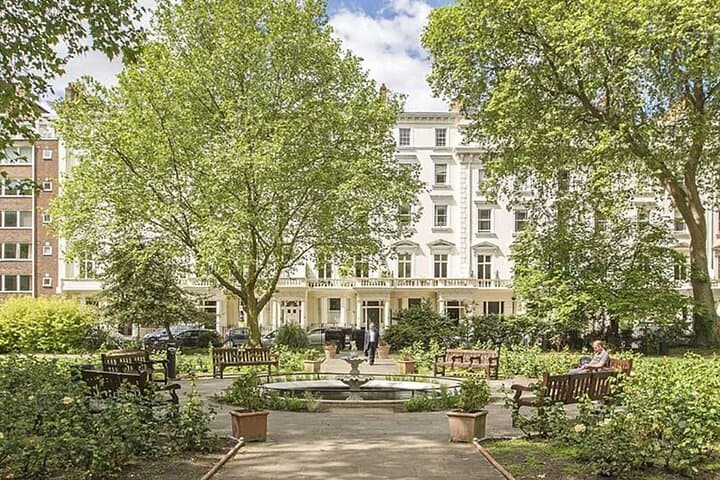
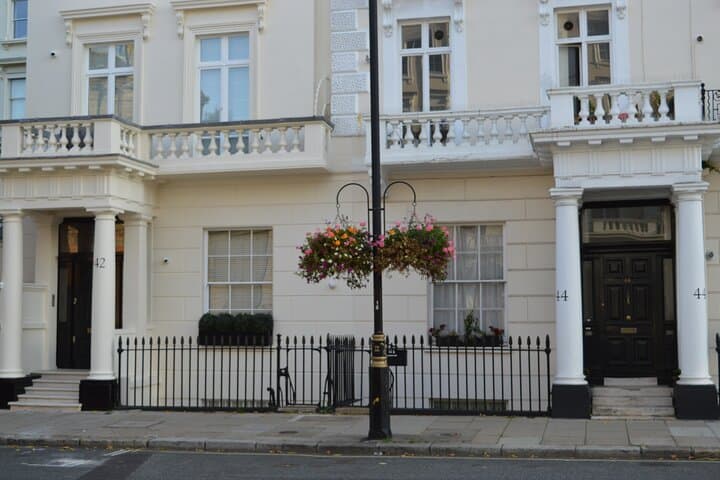
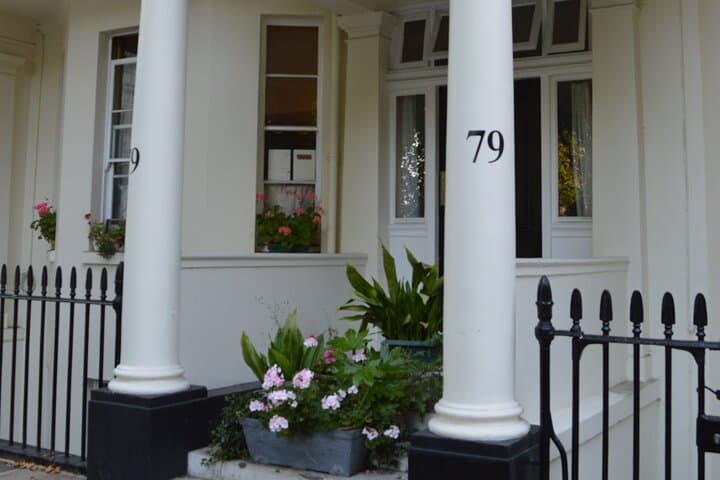
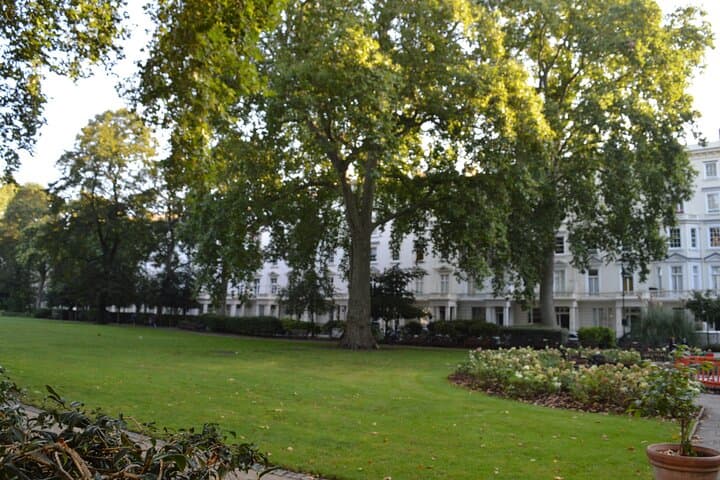
You step off a bright‑red bus and the city contracts into a single neighborhood: Pimlico’s broad terraces and quiet squares. The pavement underfoot is the work of Thomas Cubitt — its clean brick facades and regimented terraces feel designed to guide your eye along a line of history. Put your headphones in, start the VoiceMap track, and the street around you begins to speak.
You step off a bright‑red bus and the city contracts into a single neighborhood: Pimlico’s broad terraces and quiet squares. The pavement underfoot is the work of Thomas Cubitt — its clean brick facades and regimented terraces feel designed to guide your eye along a line of history. Put your headphones in, start the VoiceMap track, and the street around you begins to speak.
This short tour threads pageant and pragmatism: 19th‑century building booms under Cubitt, the social-reform ideas baked into model housing, and later layers — artists, actors, civil servants and the sometimes secretive residents of Dolphin Square. Geology isn’t dramatic here, but London’s riverine plain shapes the street grid; the Thames is a constant presence, its tidal moods pulling commerce and power toward the riverbank.
Culturally the walk is Victorian planning meeting modern governance: blue plaques mark Aubrey Beardsley and other creatives; St George’s Square and the Cabmen’s Shelter hint at civic life across eras. The tour gives you context and control — 45–60 minutes if you rush, longer if you linger over a plaque, a statue, or a café.
Practical notes: the route is flat, mostly paved, and well served by buses and tube stations. Download the VoiceMap route and offline maps before you start; keep headphones and a charged phone handy for GPS playback. Midday is best for light and activity; early morning or evening offer quieter streets and softer light for photos.
This is an urban walk that rewards curiosity — read the audio closely, watch the facades, and let the neighborhood’s quieter stories reveal themselves between the squares.