THE ADVENTURE COLLECTIVE® · Independent discovery and booking for outdoor travel

Drive through sun-baked hills and vineyard rows on a self-guided audio tour that routes you to 10 standout Paso Robles wineries. The app narrates terroir, tasting tips, and directional cues so you can focus on the views and the pours.
Drive through sun-baked hills and vineyard rows on a self-guided audio tour that routes you to 10 standout Paso Robles wineries. The app narrates terroir, tasting tips, and directional cues so you can focus on the views and the pours.
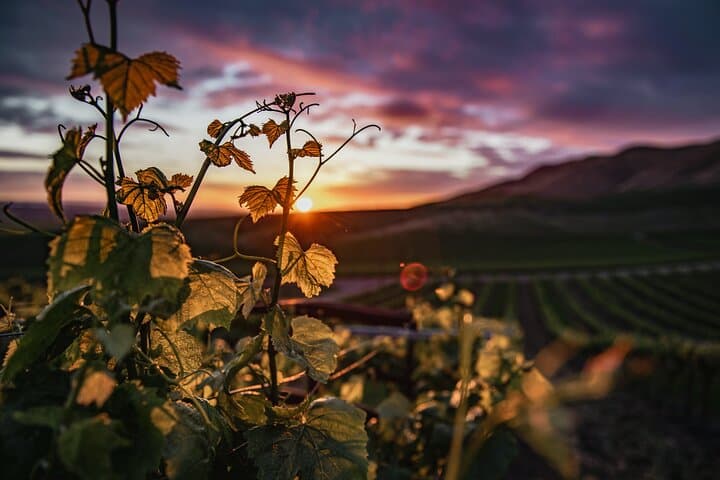
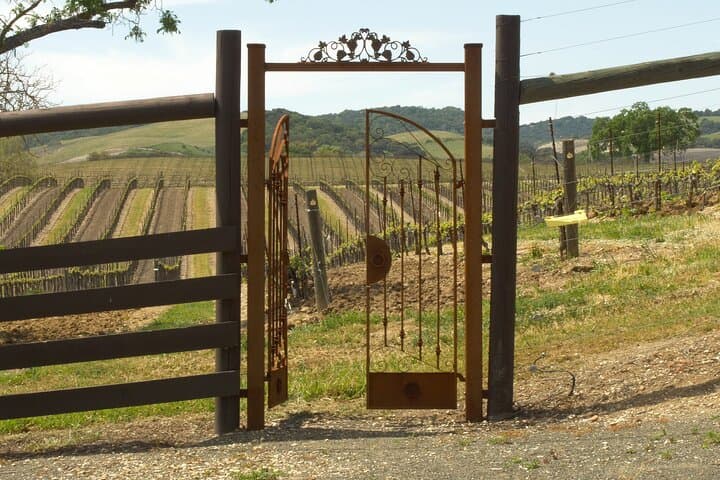
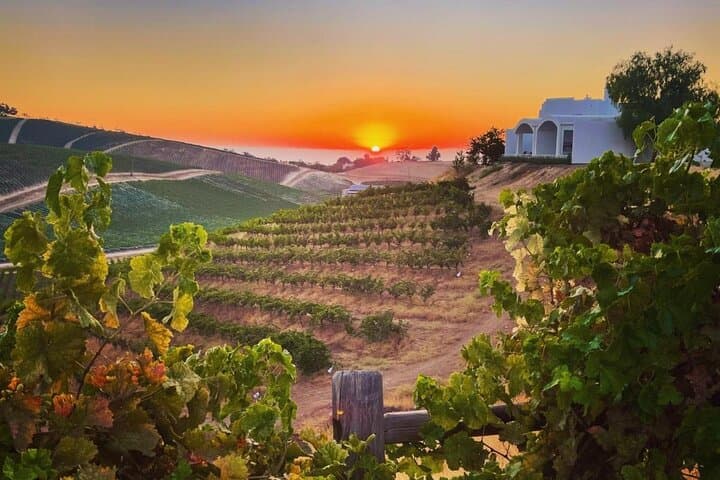
Pull out of Paso Robles’ courthouse square just as morning light trims the oak-studded ridgelines and the first vineyards glow honey-gold. The Taste Wine Guides app becomes a co-pilot: a voice that cues turns, introduces the soil beneath your wheels, and points to the tasting room where the next pour tells a part of the region’s story.
Verified experiences and guided adventures in the surrounding area.
Operated by Taste Wine Guides - Amador County · Paso Robles, California
Pull out of Paso Robles’ courthouse square just as morning light trims the oak-studded ridgelines and the first vineyards glow honey-gold. The Taste Wine Guides app becomes a co-pilot: a voice that cues turns, introduces the soil beneath your wheels, and points to the tasting room where the next pour tells a part of the region’s story.
Paso Robles sits on a patchwork of ancient marine sediments and alluvial terraces; that geology produces the heat-retentive days and cool nights ideal for Rhône and Zinfandel vines. The valley’s modern wine history surged after the 1970s, but vines were present in the mission era and reclaimed by family-run estates that shaped today’s tasting-room culture. Local growers emphasize sustainable farming and small-lot expression, so each stop — from Cass and Tablas Creek to quieter family vineyards — shows different interpretations of the same land.
Practically, this is a day in the car with frequent short walks around tasting rooms and patios. Expect rural roads, limited cell reception on some backroads, and variable tasting fees or appointment policies. Time your loop to avoid afternoon heat in summer and to hit quieter midweek hours in shoulder seasons.
Bring water, a charged phone for GPS-triggered audio, and a designated driver or book rides between clusters. The app’s geo-tags make navigation simple, but planning tasting-room reservations and pacing pours will keep the day enjoyable and safe.
easy.
1–10 hours.
Suitable for all fitness levels; expect light walking and standing during tastings
Many wineries accept walk-ins but smaller or popular tasting rooms recommend reservations—use the app to view recommended booking guidance and call ahead for weekend visits.
Yes — the Taste Wine Guides app uses GPS geo-tags to trigger audio automatically based on your driving route; download content before you go for best reliability.
No — tasting fees, purchases, and any cellar-tour upgrades are paid directly to the wineries and vary by estate.
Children can ride in the car, but tasting rooms set their own policies for minors and pets; service animals are generally allowed but confirm each venue's rules before visiting.
Paso Robles’ viticulture traces to mission-era plantings; commercial winemaking expanded in the 20th century and saw rapid growth from the 1970s onward, with Rhône varietals now prominent.
Many local wineries practice sustainable farming and water-conserving techniques; grouping visits and minimizing drive miles reduces carbon impact and supports rural land stewardship.
Taste Wine Guides - Amador County operates guided outdoor trips and adventures with an emphasis on safety, stewardship, and memorable experiences.
Pull out of Paso Robles’ courthouse square just as morning light trims the oak-studded ridgelines and the first vineyards glow honey-gold. The Taste Wine Guides app becomes a co-pilot: a voice that cues turns, introduces the soil beneath your wheels, and points to the tasting room where the next pour tells a part of the region’s story.
Pull out of Paso Robles’ courthouse square just as morning light trims the oak-studded ridgelines and the first vineyards glow honey-gold. The Taste Wine Guides app becomes a co-pilot: a voice that cues turns, introduces the soil beneath your wheels, and points to the tasting room where the next pour tells a part of the region’s story.
Paso Robles sits on a patchwork of ancient marine sediments and alluvial terraces; that geology produces the heat-retentive days and cool nights ideal for Rhône and Zinfandel vines. The valley’s modern wine history surged after the 1970s, but vines were present in the mission era and reclaimed by family-run estates that shaped today’s tasting-room culture. Local growers emphasize sustainable farming and small-lot expression, so each stop — from Cass and Tablas Creek to quieter family vineyards — shows different interpretations of the same land.
Practically, this is a day in the car with frequent short walks around tasting rooms and patios. Expect rural roads, limited cell reception on some backroads, and variable tasting fees or appointment policies. Time your loop to avoid afternoon heat in summer and to hit quieter midweek hours in shoulder seasons.
Bring water, a charged phone for GPS-triggered audio, and a designated driver or book rides between clusters. The app’s geo-tags make navigation simple, but planning tasting-room reservations and pacing pours will keep the day enjoyable and safe.