THE ADVENTURE COLLECTIVE® · Independent discovery and booking for outdoor travel

Explore Nusa Lembongan at your own pace with an audio-guided, self-paced tour covering Mushroom Bay, Devil’s Tears, Dream Beach and the mangroves. Ideal for independent travelers who want freedom to linger, snorkel, and learn local insights without a guide.
Explore Nusa Lembongan at your own pace with an audio-guided, self-paced tour covering Mushroom Bay, Devil’s Tears, Dream Beach and the mangroves. Ideal for independent travelers who want freedom to linger, snorkel, and learn local insights without a guide.
You step off the boat into sun-warmed air and the island unfolds: a narrow ribbon of limestone cliffs, broad white beaches, and a patchwork of seaweed farms edging clear, shallow bays. The audio guide clicks on in seven languages and a local voice begins to point out the small details—where fishermen dry their harvest, which coral pockets are best for a quick snorkel, and which headland holds the fiercest surf.
Verified experiences and guided adventures in the surrounding area.
Operated by Ciceru · Nusa Lembongan, Bali
You step off the boat into sun-warmed air and the island unfolds: a narrow ribbon of limestone cliffs, broad white beaches, and a patchwork of seaweed farms edging clear, shallow bays. The audio guide clicks on in seven languages and a local voice begins to point out the small details—where fishermen dry their harvest, which coral pockets are best for a quick snorkel, and which headland holds the fiercest surf.
Nusa Lembongan’s geography is simple and striking: coral limestone uplifted by tectonic forces, cliffs worn by monsoon swell, and sheltered bays that support seagrass and Eucheuma seaweed cultivation—an industry central to the island’s economy and identity. Culturally, the island is quieter than Bali’s south; communities revolve around fishing, small-scale tourism, and seasonal agriculture. The Yellow Bridge linking to Nusa Ceningan is both a practical connector and a local landmark with stellar photos at low tide.
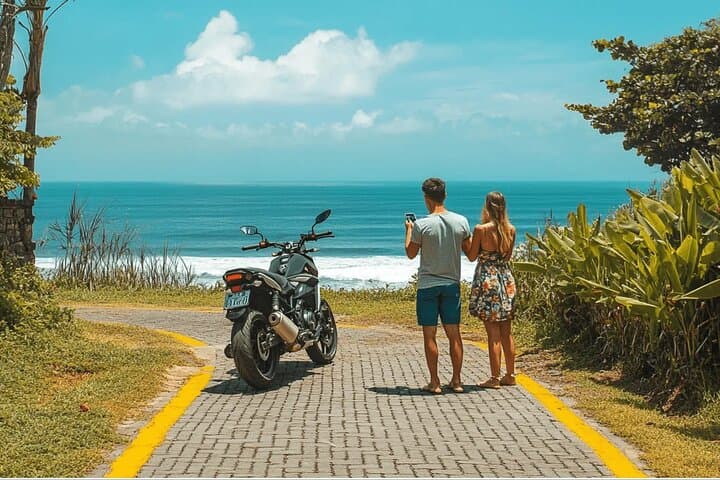
Practically, this self-guided experience is a flexible loop—three hours covers key stops (Mushroom Bay, Devil’s Tears, Dream Beach, Panorama Point, Jungut Batu, mangroves) but you can stretch it across a day to snorkel or linger at cafés. Scooter rentals are common near Le Nusa Beach Club—bargain, inspect brakes, and insist on a helmet. Aim to hit Devil’s Tears at low tide or sunset for the safest viewing; avoid cliff edges when waves are high. Bring sun protection, refillable water, and respect marked pathways through seaweed beds and mangroves to minimize impact. With a phone, headphones, and common-sense safety, the island’s rhythm is yours to follow.
easy.
3 hours (self-paced; can extend to 1–2 days).
Suitable for all fitness levels; basic mobility for short walks and steps is helpful.
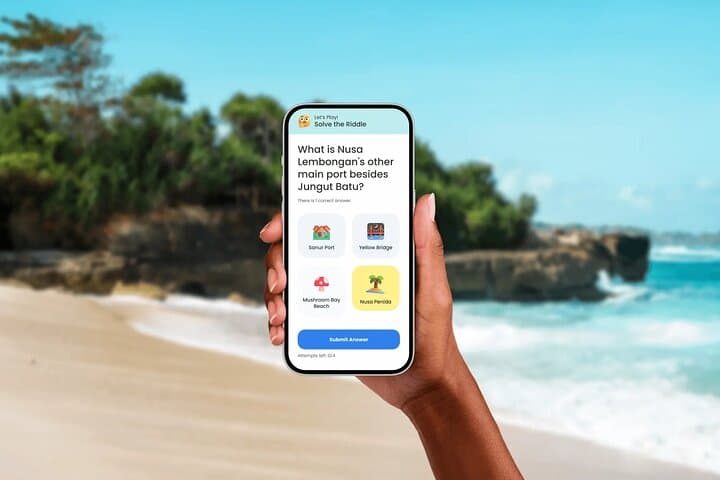
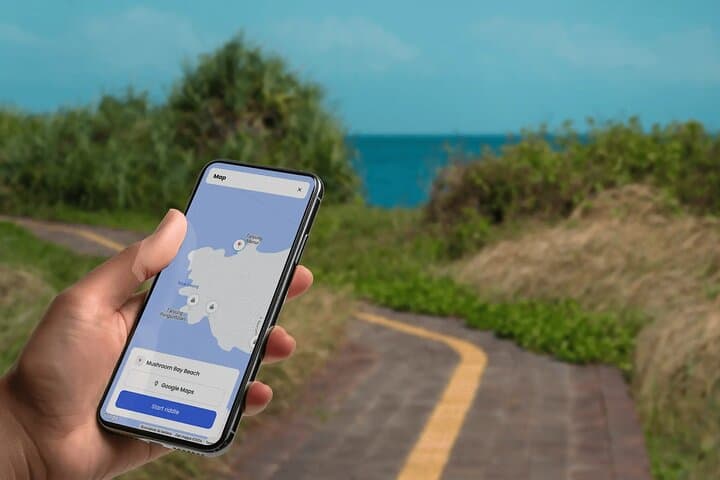
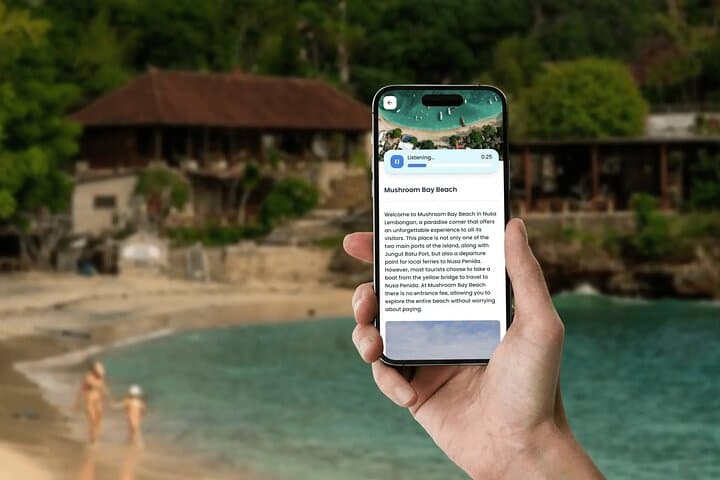
No app required—the tour runs through your phone’s browser and provides audio and text in seven languages.
No; scooter rentals are available near Le Nusa Beach Club—prices are negotiable and vary by season.
Yes—many stops like Mushroom Bay and Jungut Batu are good for quick swims and snorkeling; bring or rent basic snorkel gear locally.
Yes; the route is flexible and physically easy, though cliff viewpoints at Devil’s Tears require caution around strong waves.
Nusa Lembongan’s communities historically relied on fishing and seaweed farming; the island’s modern tourism grew later than Bali’s due to its smaller size and limited infrastructure.
Seaweed farms and mangroves are vital to coastal health and livelihoods—avoid littering, use reef-safe sunscreen, and follow local guidelines to minimize impact.
Ciceru operates guided outdoor trips and adventures with an emphasis on safety, stewardship, and memorable experiences.
You step off the boat into sun-warmed air and the island unfolds: a narrow ribbon of limestone cliffs, broad white beaches, and a patchwork of seaweed farms edging clear, shallow bays. The audio guide clicks on in seven languages and a local voice begins to point out the small details—where fishermen dry their harvest, which coral pockets are best for a quick snorkel, and which headland holds the fiercest surf.
You step off the boat into sun-warmed air and the island unfolds: a narrow ribbon of limestone cliffs, broad white beaches, and a patchwork of seaweed farms edging clear, shallow bays. The audio guide clicks on in seven languages and a local voice begins to point out the small details—where fishermen dry their harvest, which coral pockets are best for a quick snorkel, and which headland holds the fiercest surf.
Nusa Lembongan’s geography is simple and striking: coral limestone uplifted by tectonic forces, cliffs worn by monsoon swell, and sheltered bays that support seagrass and Eucheuma seaweed cultivation—an industry central to the island’s economy and identity. Culturally, the island is quieter than Bali’s south; communities revolve around fishing, small-scale tourism, and seasonal agriculture. The Yellow Bridge linking to Nusa Ceningan is both a practical connector and a local landmark with stellar photos at low tide.
Practically, this self-guided experience is a flexible loop—three hours covers key stops (Mushroom Bay, Devil’s Tears, Dream Beach, Panorama Point, Jungut Batu, mangroves) but you can stretch it across a day to snorkel or linger at cafés. Scooter rentals are common near Le Nusa Beach Club—bargain, inspect brakes, and insist on a helmet. Aim to hit Devil’s Tears at low tide or sunset for the safest viewing; avoid cliff edges when waves are high. Bring sun protection, refillable water, and respect marked pathways through seaweed beds and mangroves to minimize impact. With a phone, headphones, and common-sense safety, the island’s rhythm is yours to follow.