THE ADVENTURE COLLECTIVE® · Independent discovery and booking for outdoor travel

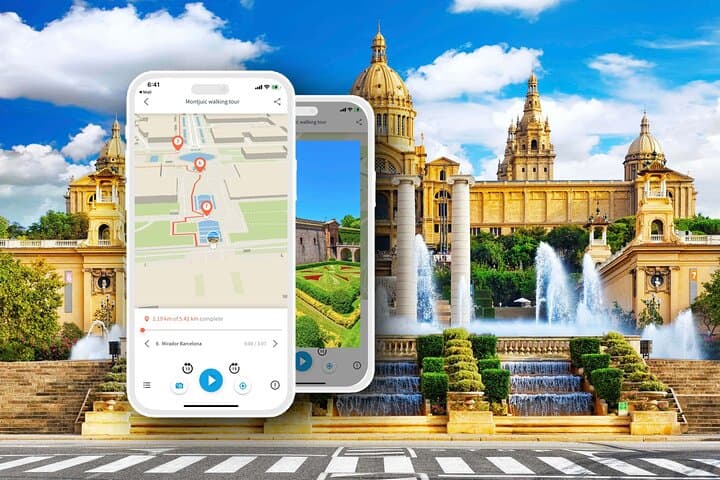
Walk Montjuïc at your own pace with a smartphone audio guide that leads you from Plaza de España to panoramic terraces, Olympic landmarks and botanic gardens. Expect paved promenades, historic architecture and 2–3 hours of exploration with offline maps and narrated stops.
Walk Montjuïc at your own pace with a smartphone audio guide that leads you from Plaza de España to panoramic terraces, Olympic landmarks and botanic gardens. Expect paved promenades, historic architecture and 2–3 hours of exploration with offline maps and narrated stops.
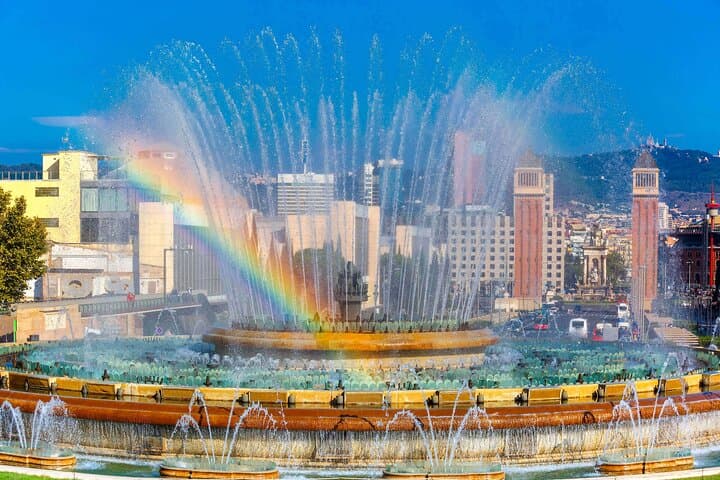
You step out of Plaza de España and the city exhales behind you—broad avenues give way to terraces, stone steps and stands of pine that climb toward the summit of Montjuïc. The audio guide begins in your ear as you walk: a historian’s voice pointing out the Venetian Towers, the sweep of the Magic Fountain and the way the city folds into the sea below.
Verified experiences and guided adventures in the surrounding area.
Operated by TouringBee · Barcelona, Catalonia
You step out of Plaza de España and the city exhales behind you—broad avenues give way to terraces, stone steps and stands of pine that climb toward the summit of Montjuïc. The audio guide begins in your ear as you walk: a historian’s voice pointing out the Venetian Towers, the sweep of the Magic Fountain and the way the city folds into the sea below.
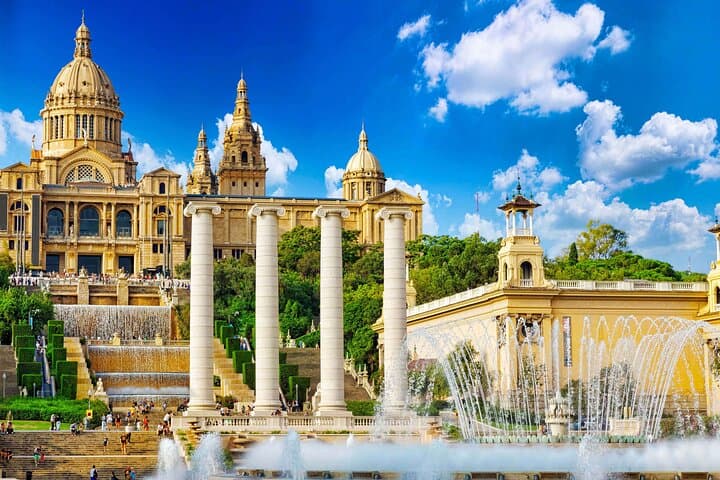
Montjuïc is a cultural hill shaped by geology and history. Once fortified, the hill hosted the 1929 International Exposition and later the 1992 Olympic installations; you’ll pass between modernist pavilions, Olympic rings and formal gardens. The volcanic-origin slopes are low—expect roughly 150–180 m of elevation gain over paved promenades, terraces and occasional stone steps. Botanic plots, cactus gardens and olive groves add Mediterranean character; gulls and kestrels use the thermals, and city smells—coffee, pine resin, ocean—shift with the breeze.
Practical notes: this self-guided loop is about 2–4 km depending on detours and takes roughly 2–3 hours at a comfortable pace with stops. The audio app provides offline maps and 23 narrated stops; Montjuïc Castle and some museums are separate admissions. Wear sturdy walking shoes for cobbles and steps, bring sun protection and water, and carry portable power—your phone is the navigator and guide.
Time visits for late afternoon to catch cooling light and, if scheduled, an evening display at the Magic Fountain. Stay on mapped paths to protect the gardens and reduce erosion—Montjuïc’s quiet feels fragile under foot.
easy.
2–3 hours.
Suitable for most fitness levels; you should be comfortable walking uphill on paved and stepped terrain for a few hours.
No—this self-guided audio route points out the castle and viewpoints but entry to Montjuïc Castle requires a separate ticket.
The audio guide includes offline maps and recordings, but download and activate the app before you arrive to ensure offline access.
Many promenades are paved, but there are steep sections and steps; some viewpoints and parts of the MNAC area are accessible—check specific segments on the app map before you go.
Yes—the audio guide is available year-round and can be used at any time once activated, though performance schedules like the Magic Fountain vary by season.
Montjuïc rose to prominence as the site of the 1929 International Exposition and later hosted major 20th-century civic projects including the 1992 Olympics, which shaped its modern terraces and facilities.
Stay on designated paths to protect fragile garden beds and reduce erosion; avoid removing plants or feeding wildlife and use bins or carry out trash.
TouringBee operates guided outdoor trips and adventures with an emphasis on safety, stewardship, and memorable experiences.
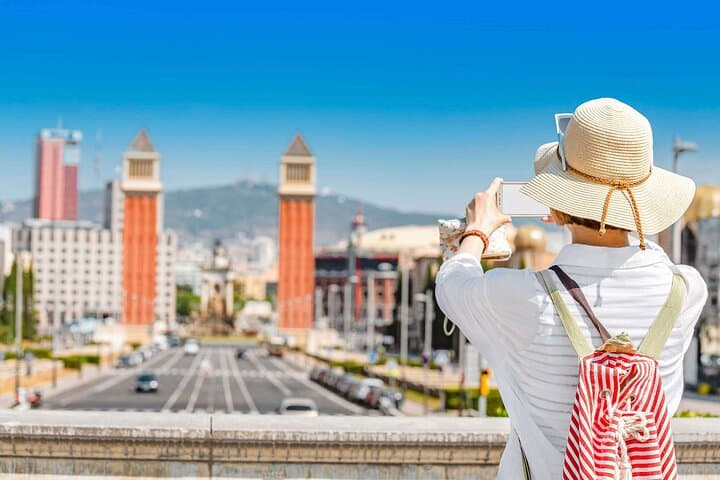
You step out of Plaza de España and the city exhales behind you—broad avenues give way to terraces, stone steps and stands of pine that climb toward the summit of Montjuïc. The audio guide begins in your ear as you walk: a historian’s voice pointing out the Venetian Towers, the sweep of the Magic Fountain and the way the city folds into the sea below.
You step out of Plaza de España and the city exhales behind you—broad avenues give way to terraces, stone steps and stands of pine that climb toward the summit of Montjuïc. The audio guide begins in your ear as you walk: a historian’s voice pointing out the Venetian Towers, the sweep of the Magic Fountain and the way the city folds into the sea below.
Montjuïc is a cultural hill shaped by geology and history. Once fortified, the hill hosted the 1929 International Exposition and later the 1992 Olympic installations; you’ll pass between modernist pavilions, Olympic rings and formal gardens. The volcanic-origin slopes are low—expect roughly 150–180 m of elevation gain over paved promenades, terraces and occasional stone steps. Botanic plots, cactus gardens and olive groves add Mediterranean character; gulls and kestrels use the thermals, and city smells—coffee, pine resin, ocean—shift with the breeze.
Practical notes: this self-guided loop is about 2–4 km depending on detours and takes roughly 2–3 hours at a comfortable pace with stops. The audio app provides offline maps and 23 narrated stops; Montjuïc Castle and some museums are separate admissions. Wear sturdy walking shoes for cobbles and steps, bring sun protection and water, and carry portable power—your phone is the navigator and guide.
Time visits for late afternoon to catch cooling light and, if scheduled, an evening display at the Magic Fountain. Stay on mapped paths to protect the gardens and reduce erosion—Montjuïc’s quiet feels fragile under foot.