THE ADVENTURE COLLECTIVE® · Independent discovery and booking for outdoor travel

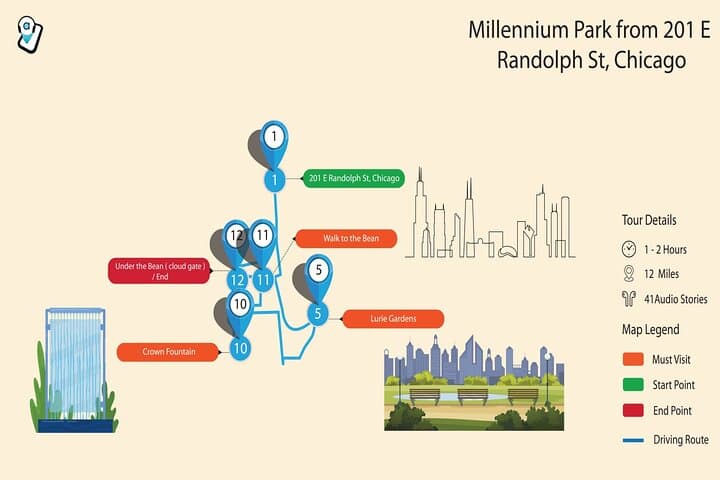
Explore Millennium Park at your own pace with a GPS-enabled audio guide. See Cloud Gate, Lurie Garden, and Pritzker Pavilion while learning the design and civic history that shaped Chicago’s most photographed public space.
Explore Millennium Park at your own pace with a GPS-enabled audio guide. See Cloud Gate, Lurie Garden, and Pritzker Pavilion while learning the design and civic history that shaped Chicago’s most photographed public space.
You step off Randolph Street and the city opens like a stage: polished steel reflecting skyscrapers, a breeze off Lake Michigan nudging the crowds, and the Bean’s mirrored belly folding Chicago back onto itself.
Verified experiences and guided adventures in the surrounding area.
Operated by History with Action · Chicago, Illinois
You step off Randolph Street and the city opens like a stage: polished steel reflecting skyscrapers, a breeze off Lake Michigan nudging the crowds, and the Bean’s mirrored belly folding Chicago back onto itself.
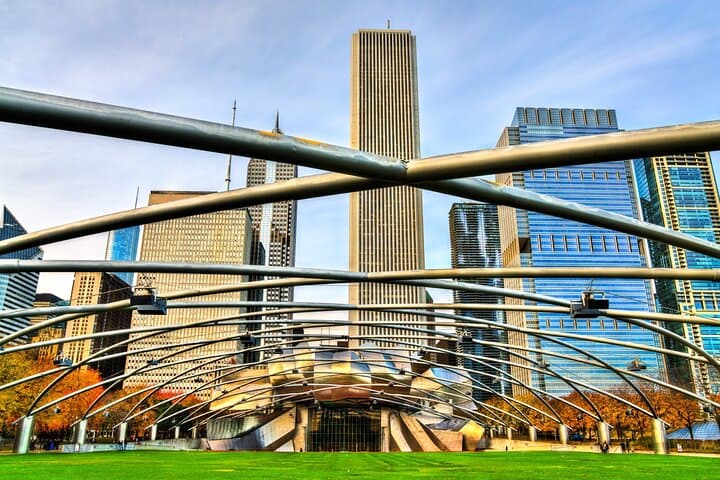
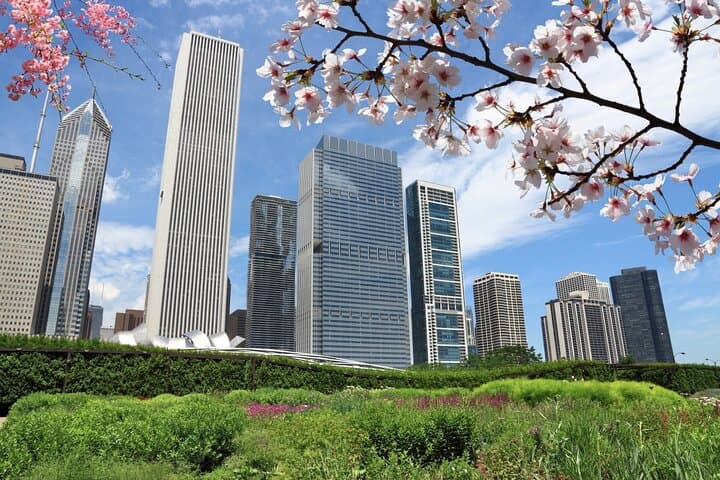
Millennium Park occupies reclaimed rail yards and rooftop garages, a deliberate urban rework that opened to the public in 2004. The park’s highlights read like a who’s who of contemporary design — Anish Kapoor’s Cloud Gate refracts the skyline, Frank Gehry’s Pritzker Pavilion shapes sound and space, and Piet Oudolf’s Lurie Garden plants native perennials that change through the seasons.
This self-guided audio route strings those elements together with short, GPS-triggered stories: sculpture provenance, engineering feats underfoot, and the civic debates that funded the park. The Nichols Bridgeway links the park to the Art Institute’s Modern Wing, creating a walkable loop that balances public art with quiet planting beds.
Practical section: download the Action Tour Guide app and enter your password before you arrive; the tour works offline once installed. Expect 1–2 hours for the main loop, more if you linger at exhibits or concerts. Wear supportive shoes for paved promenades, bring headphones for the narrated stops, and carry a small water bottle — vendors and public restrooms are nearby but can be crowded on summer weekends.
Timing matters: early mornings give clearer reflections and fewer people; evenings offer warm light on the pavilion metalwork. The route is flat and accessible for most walkers, but watch for event closures and scheduled concerts that can change access to Plaza areas.
easy.
1–2 hours.
Basic walking fitness; flat paved surfaces make this accessible for most people.
No — Millennium Park is public and free to enter. The audio tour is separate; any attraction admissions (e.g., museum entry) must be purchased separately.
Download the Action Tour Guide app, find the tour, enter your 8‑digit password sent by email/text, and download the tour while connected to Wi‑Fi or cellular.
Yes — the main loop uses paved, level walkways and bridge ramps, but temporary event setups can alter access; check onsite signage or park schedules.
The tour can be used any time within 12 months of purchase and can be started and paused across multiple visits.
Millennium Park was completed in phases beginning in 2004 on reclaimed rail yards and parking decks; major works like Cloud Gate and the Pritzker Pavilion reshaped Chicago’s civic arts scene.
Lurie Garden uses native and adaptive plantings to reduce irrigation needs; visitors are asked to stick to paths and avoid trampling beds to protect fragile plantings.
History with Action operates guided outdoor trips and adventures with an emphasis on safety, stewardship, and memorable experiences.

You step off Randolph Street and the city opens like a stage: polished steel reflecting skyscrapers, a breeze off Lake Michigan nudging the crowds, and the Bean’s mirrored belly folding Chicago back onto itself.
You step off Randolph Street and the city opens like a stage: polished steel reflecting skyscrapers, a breeze off Lake Michigan nudging the crowds, and the Bean’s mirrored belly folding Chicago back onto itself.
Millennium Park occupies reclaimed rail yards and rooftop garages, a deliberate urban rework that opened to the public in 2004. The park’s highlights read like a who’s who of contemporary design — Anish Kapoor’s Cloud Gate refracts the skyline, Frank Gehry’s Pritzker Pavilion shapes sound and space, and Piet Oudolf’s Lurie Garden plants native perennials that change through the seasons.
This self-guided audio route strings those elements together with short, GPS-triggered stories: sculpture provenance, engineering feats underfoot, and the civic debates that funded the park. The Nichols Bridgeway links the park to the Art Institute’s Modern Wing, creating a walkable loop that balances public art with quiet planting beds.
Practical section: download the Action Tour Guide app and enter your password before you arrive; the tour works offline once installed. Expect 1–2 hours for the main loop, more if you linger at exhibits or concerts. Wear supportive shoes for paved promenades, bring headphones for the narrated stops, and carry a small water bottle — vendors and public restrooms are nearby but can be crowded on summer weekends.
Timing matters: early mornings give clearer reflections and fewer people; evenings offer warm light on the pavilion metalwork. The route is flat and accessible for most walkers, but watch for event closures and scheduled concerts that can change access to Plaza areas.