THE ADVENTURE COLLECTIVE® · Independent discovery and booking for outdoor travel

Explore Mexico City at your own pace with a digital guide and central hotel stay. Walk through centuries of history — from Aztec foundations to Paseo de la Reforma — with practical tips for transit, tickets, and pacing.
Explore Mexico City at your own pace with a digital guide and central hotel stay. Walk through centuries of history — from Aztec foundations to Paseo de la Reforma — with practical tips for transit, tickets, and pacing.
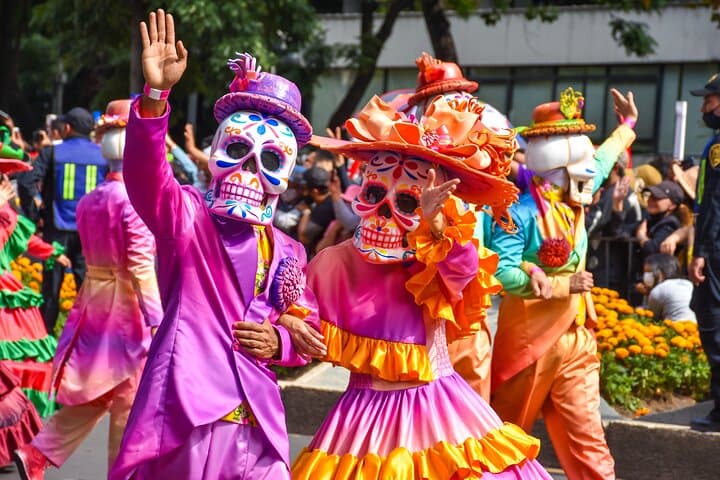
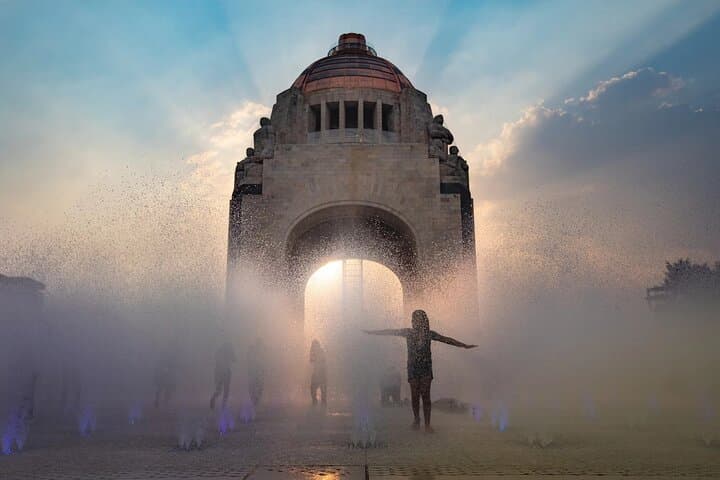
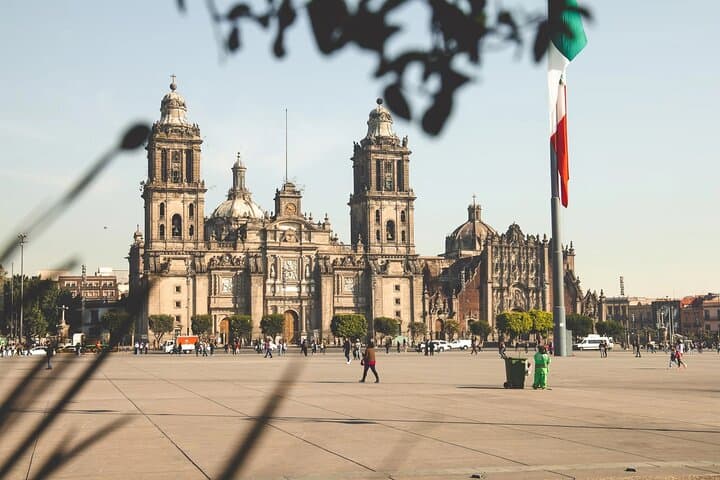
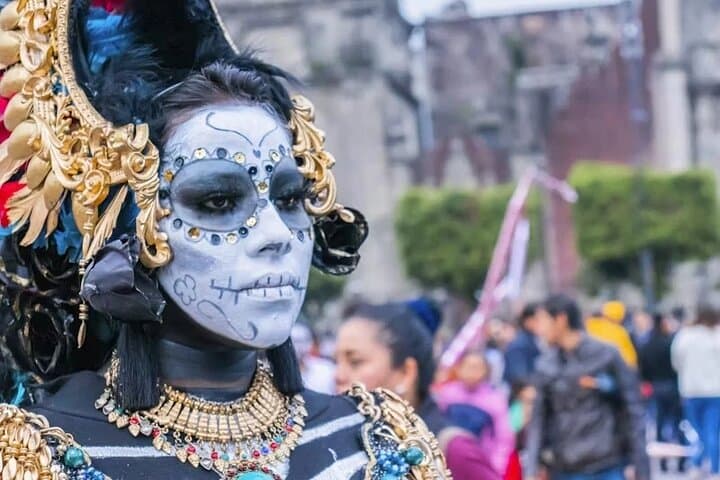
The city arrives before you: wide Paseo de la Reforma unfurling like a slow river of traffic, jacaranda blossoms throwing violet confetti in March, and the Zócalo opening like a plaza-sized stage where past and present argue cheerfully. With a digital guide in your pocket and a central hotel as basecamp, walkers slip between colonial churches, street markets, and leafy parks at their own tempo.
Verified experiences and guided adventures in the surrounding area.
Operated by Worldee · Mexico City, Mexico City
The city arrives before you: wide Paseo de la Reforma unfurling like a slow river of traffic, jacaranda blossoms throwing violet confetti in March, and the Zócalo opening like a plaza-sized stage where past and present argue cheerfully. With a digital guide in your pocket and a central hotel as basecamp, walkers slip between colonial churches, street markets, and leafy parks at their own tempo.
Beneath the colonial façades lies Tenochtitlán’s imprint — Aztec causeways and temples gave way to Spanish cathedrals built from the same stones. Mexico City sits on an ancient lakebed at about 2,240 meters elevation, which explains unexpected subsidence and the city’s peculiar, slightly tilted tile floors. From Coyoacán’s cobblestones and Frida Kahlo’s Casa Azul to the grand, 15-km sweep of Paseo de la Reforma, the urban fabric stitches working-class markets, high-end Polanco, and bohemian plazas into one complex cultural map.
Practicalities are straightforward: buy a Tarjeta de Movilidad at the airport for Metro and Ecobici, prebook Frida Kahlo Museum tickets, and expect heavy pedestrian traffic in Centro Histórico. Wear supportive walking shoes — many streets are cobbled — and pack a light rain layer; downpours can arrive suddenly. Hydrate and allow extra time for museum queues and metro rides, especially on Sundays when Reforma becomes a car-free boulevard. Even as the city hums, small parks like Alameda Central and Jardín Centenario offer quiet pauses to recalibrate.
This itinerary rewards curiosity: follow the digital prompts, linger where the smells and sounds pull you, and you’ll leave with a clear sense of why Mexico City keeps calling travelers back.
easy.
5 days.
Suitable for travelers in average fitness; expect several hours of walking daily and short stair climbs.
Yes—museums like the Frida Kahlo Museum require advance online tickets; for others (Templo Mayor, Palacio de Bellas Artes) purchase online or arrive early to avoid queues.
The Metro is efficient and cost-effective; keep valuables secure, avoid rush-hour crowds if possible, and use the Tarjeta de Movilidad for convenience.
Expect 4–8 miles (6–13 km) per day depending on your itinerary; plan rest stops in parks and cafés to break up long stretches.
Yes—this self-guided format is flexible, with stroller-friendly sections, child-friendly markets, and museums, though cobbled streets and stairs can be limiting in some historic sites.
Mexico City was built on the Aztec city of Tenochtitlán; Spanish colonization repurposed many pre-Hispanic foundations into colonial architecture that defines the historic center.
The city grapples with subsidence and air quality; favor public transit and bike-share to reduce impact, and respect market waste practices by using reusable bags.
Worldee operates guided outdoor trips and adventures with an emphasis on safety, stewardship, and memorable experiences.
The city arrives before you: wide Paseo de la Reforma unfurling like a slow river of traffic, jacaranda blossoms throwing violet confetti in March, and the Zócalo opening like a plaza-sized stage where past and present argue cheerfully. With a digital guide in your pocket and a central hotel as basecamp, walkers slip between colonial churches, street markets, and leafy parks at their own tempo.
The city arrives before you: wide Paseo de la Reforma unfurling like a slow river of traffic, jacaranda blossoms throwing violet confetti in March, and the Zócalo opening like a plaza-sized stage where past and present argue cheerfully. With a digital guide in your pocket and a central hotel as basecamp, walkers slip between colonial churches, street markets, and leafy parks at their own tempo.
Beneath the colonial façades lies Tenochtitlán’s imprint — Aztec causeways and temples gave way to Spanish cathedrals built from the same stones. Mexico City sits on an ancient lakebed at about 2,240 meters elevation, which explains unexpected subsidence and the city’s peculiar, slightly tilted tile floors. From Coyoacán’s cobblestones and Frida Kahlo’s Casa Azul to the grand, 15-km sweep of Paseo de la Reforma, the urban fabric stitches working-class markets, high-end Polanco, and bohemian plazas into one complex cultural map.
Practicalities are straightforward: buy a Tarjeta de Movilidad at the airport for Metro and Ecobici, prebook Frida Kahlo Museum tickets, and expect heavy pedestrian traffic in Centro Histórico. Wear supportive walking shoes — many streets are cobbled — and pack a light rain layer; downpours can arrive suddenly. Hydrate and allow extra time for museum queues and metro rides, especially on Sundays when Reforma becomes a car-free boulevard. Even as the city hums, small parks like Alameda Central and Jardín Centenario offer quiet pauses to recalibrate.
This itinerary rewards curiosity: follow the digital prompts, linger where the smells and sounds pull you, and you’ll leave with a clear sense of why Mexico City keeps calling travelers back.