THE ADVENTURE COLLECTIVE® · Independent discovery and booking for outdoor travel

Explore Mallorca at your own pace with an offline audio-guide that triggers at more than 198 points—from Palma’s cathedral to the windswept Cap de Formentor. Drive or walk, choose your route, and learn the island’s geology and culture as you go.
Explore Mallorca at your own pace with an offline audio-guide that triggers at more than 198 points—from Palma’s cathedral to the windswept Cap de Formentor. Drive or walk, choose your route, and learn the island’s geology and culture as you go.
You push open the car door to a strip of sea-silver light and the road ahead tightens into hairpins carved into limestone. The audio guide whispers context into your ear—Cap de Formentor’s wind-swept cliffs, the engineered bravado of the Sa Calobra spiral, the green shadow of the Serra de Tramuntana rolling inland like a low, stony spine.
Verified experiences and guided adventures in the surrounding area.
Operated by Navicup experiences · Palma, Balearic Islands
You push open the car door to a strip of sea-silver light and the road ahead tightens into hairpins carved into limestone. The audio guide whispers context into your ear—Cap de Formentor’s wind-swept cliffs, the engineered bravado of the Sa Calobra spiral, the green shadow of the Serra de Tramuntana rolling inland like a low, stony spine.
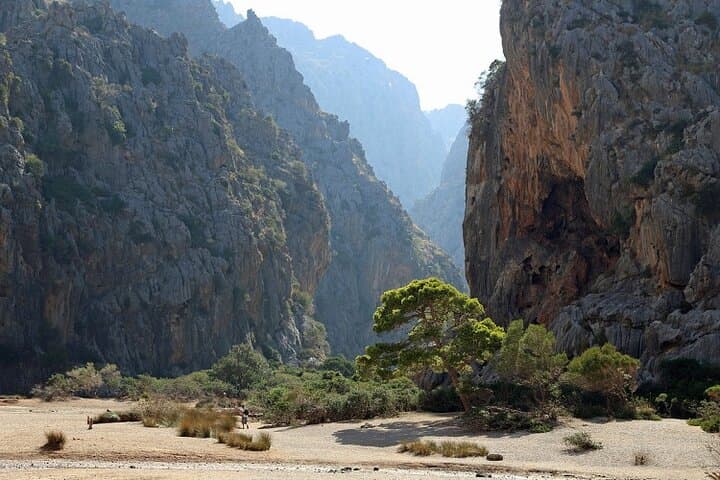
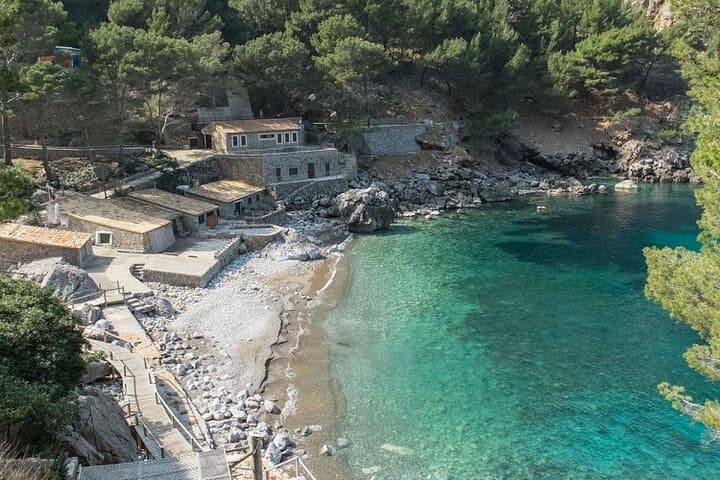
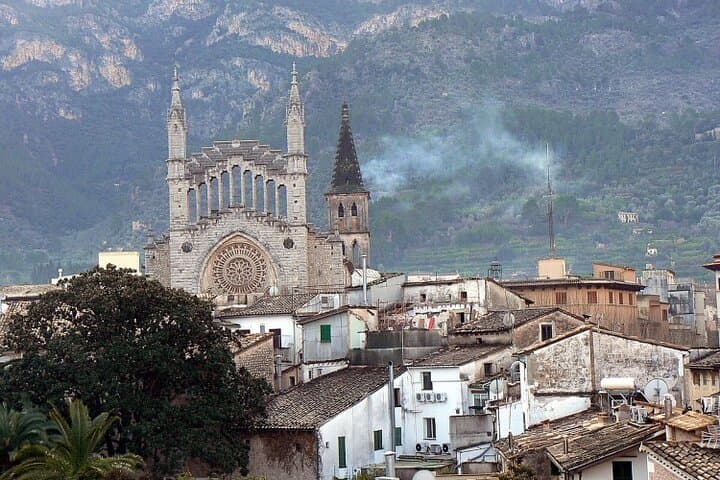
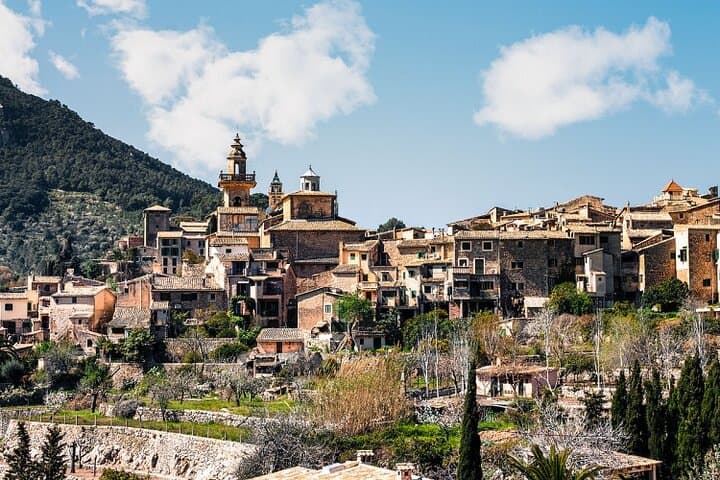
Mallorca is a landscape shaped by water and time: coastal limestone forming steep coves and gorges, terraced agricultural slopes from Moorish and medieval land uses, and Roman footprints in towns like Pollentia. The Tramuntana earned UNESCO status for the way human terraces and mountain geology coexist. Culture here is tactile—stone villages (Valldemossa, Deià), market rhythms in Inca and Manacor, and roadside orange groves that still scent the air.
This offering is a self-guided audio and map app that activates at over 198 points of interest, letting you craft a route—walk Palma’s old quarter or drive the northern cape. Expect practical narration: history, geology, and local anecdotes, plus offline files to avoid roaming.
Plan for variable timing: a central Palma walk can be an hour; a loop to Formentor or Sa Calobra is a half- to full-day. Allow extra time for parking and short hikes to viewpoints. Bring reliable offline navigation, comfortable shoes for cobbled streets, and patience on the narrow coastal roads during high season. Start early to avoid crowds and catch the light on the cliffs—the island rewards a measured pace and curiosity.
easy.
1–4 hours.
Suitable for all fitness levels; walking segments are short but driving routes can be tiring.
Yes—the app is designed to activate at nearby points of interest so you can begin from any location and follow your own pace.
Yes—the guide offers several languages and downloadable offline content to avoid roaming charges.
No—museum or attraction admissions are not included; the guide provides orientation and suggestions but not tickets.
The tour notes indicate wheelchair and stroller accessibility for many urban points, but some historic sites and viewpoints may have uneven access.
Mallorca’s towns reflect Roman foundations, extended Moorish agricultural systems, and later medieval and modern layers—many coastal roads date to 20th‑century engineering like Parietti’s Sa Calobra route (1933).
The Serra de Tramuntana is a protected UNESCO landscape with active conservation of terraced agriculture and coastal habitats; stick to marked paths and avoid disturbing nesting seabirds.
Navicup experiences operates guided outdoor trips and adventures with an emphasis on safety, stewardship, and memorable experiences.
You push open the car door to a strip of sea-silver light and the road ahead tightens into hairpins carved into limestone. The audio guide whispers context into your ear—Cap de Formentor’s wind-swept cliffs, the engineered bravado of the Sa Calobra spiral, the green shadow of the Serra de Tramuntana rolling inland like a low, stony spine.
You push open the car door to a strip of sea-silver light and the road ahead tightens into hairpins carved into limestone. The audio guide whispers context into your ear—Cap de Formentor’s wind-swept cliffs, the engineered bravado of the Sa Calobra spiral, the green shadow of the Serra de Tramuntana rolling inland like a low, stony spine.
Mallorca is a landscape shaped by water and time: coastal limestone forming steep coves and gorges, terraced agricultural slopes from Moorish and medieval land uses, and Roman footprints in towns like Pollentia. The Tramuntana earned UNESCO status for the way human terraces and mountain geology coexist. Culture here is tactile—stone villages (Valldemossa, Deià), market rhythms in Inca and Manacor, and roadside orange groves that still scent the air.
This offering is a self-guided audio and map app that activates at over 198 points of interest, letting you craft a route—walk Palma’s old quarter or drive the northern cape. Expect practical narration: history, geology, and local anecdotes, plus offline files to avoid roaming.
Plan for variable timing: a central Palma walk can be an hour; a loop to Formentor or Sa Calobra is a half- to full-day. Allow extra time for parking and short hikes to viewpoints. Bring reliable offline navigation, comfortable shoes for cobbled streets, and patience on the narrow coastal roads during high season. Start early to avoid crowds and catch the light on the cliffs—the island rewards a measured pace and curiosity.