THE ADVENTURE COLLECTIVE® · Independent discovery and booking for outdoor travel

Turn Maastricht’s streets into a playable map with the Syndicate City escape game. This self-guided, app-driven walking quest mixes local history and puzzle-driven exploration across a two-hour route.
Turn Maastricht’s streets into a playable map with the Syndicate City escape game. This self-guided, app-driven walking quest mixes local history and puzzle-driven exploration across a two-hour route.
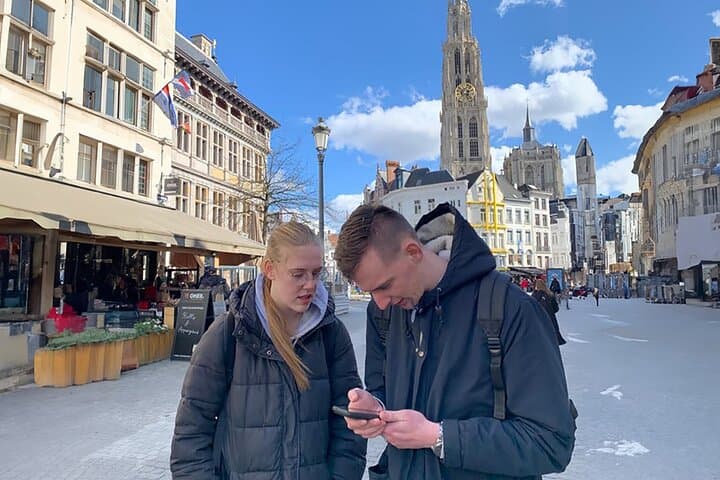
You step off the cobbles into Vrijthof’s open air — church bells puncture the air, terraces hum, and the Maas glints under the Sint Servaasbrug. The Syndicate City Game folds the city’s streets into a playable map: clues tucked by statues, riddles keyed to doorways, and photo tasks that make narrow alleys feel like secret stages.
Verified experiences and guided adventures in the surrounding area.
Operated by City Game · Maastricht, Limburg
You step off the cobbles into Vrijthof’s open air — church bells puncture the air, terraces hum, and the Maas glints under the Sint Servaasbrug. The Syndicate City Game folds the city’s streets into a playable map: clues tucked by statues, riddles keyed to doorways, and photo tasks that make narrow alleys feel like secret stages.
Maastricht wears layers of history: a Roman military outpost, medieval trade hub, and a limestone-working heart whose quarries shaped both the city and nearby Sint Pietersberg. That geology means sudden rock faces and white marl visible on hill paths; culturally the city is bilingual and café-driven, with a patient, curious local crowd that enjoys a good puzzle.
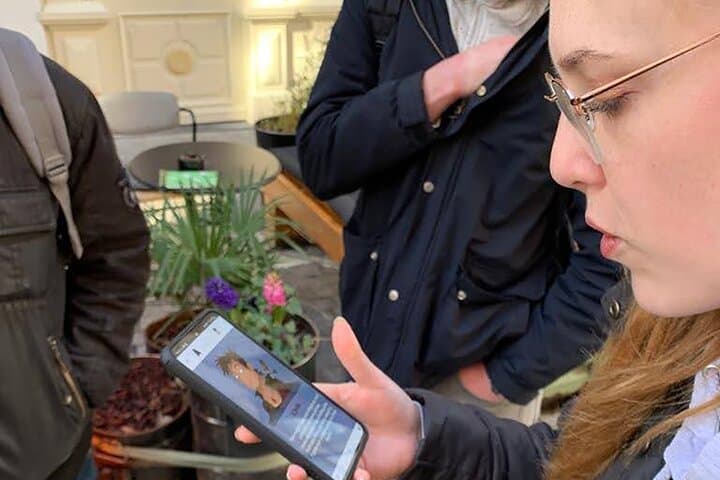
Gameplay is practical: you download the Loquiz app, follow the story, and solve tasks at your own pace — typical runs last about two hours and span 2–4 kilometers across mostly flat, cobbled terrain. The experience favors observation and lateral thinking over athleticism; intermediate difficulty signals some brain-teasing checkpoints rather than steep climbs.
Plan for phone battery life, comfortable shoes for uneven paving, and a flexible schedule — the game pauses so you can duck into museums or a café. Start in daylight for best navigation and city views; evening play delivers a different mood but reduces visibility for photo tasks.
This is urban exploration with rules: respect private property, keep noise reasonable in residential streets, and use public transit to return if you wander farther than intended. For groups, one device per team keeps the experience tight; for larger groups, split into teams and race the city clock.
moderate.
2–3 hours.
Light urban fitness — comfortable walking for up to two hours; little elevation is required.
One ticket covers a single device for a group of 2–5 people; larger groups should purchase additional tickets and split into teams.
You select a date/time when booking, but the game is self-guided so you can start whenever you like that day and pause as needed.
Much of the game is on paved city streets, but cobbles and steps in older areas may limit full accessibility — check specific checkpoints before booking.
The written guide is available in English and Dutch; check the booking details to confirm language options in the app.
Maastricht began as a Roman crossing on the Maas and grew into a fortified medieval trading center; its limestone quarries have shaped both economy and landscape.
Respect historic streets and private property during play; minimize noise and stick to public paths to help preserve fragile heritage zones.
City Game operates guided outdoor trips and adventures with an emphasis on safety, stewardship, and memorable experiences.


You step off the cobbles into Vrijthof’s open air — church bells puncture the air, terraces hum, and the Maas glints under the Sint Servaasbrug. The Syndicate City Game folds the city’s streets into a playable map: clues tucked by statues, riddles keyed to doorways, and photo tasks that make narrow alleys feel like secret stages.
You step off the cobbles into Vrijthof’s open air — church bells puncture the air, terraces hum, and the Maas glints under the Sint Servaasbrug. The Syndicate City Game folds the city’s streets into a playable map: clues tucked by statues, riddles keyed to doorways, and photo tasks that make narrow alleys feel like secret stages.
Maastricht wears layers of history: a Roman military outpost, medieval trade hub, and a limestone-working heart whose quarries shaped both the city and nearby Sint Pietersberg. That geology means sudden rock faces and white marl visible on hill paths; culturally the city is bilingual and café-driven, with a patient, curious local crowd that enjoys a good puzzle.
Gameplay is practical: you download the Loquiz app, follow the story, and solve tasks at your own pace — typical runs last about two hours and span 2–4 kilometers across mostly flat, cobbled terrain. The experience favors observation and lateral thinking over athleticism; intermediate difficulty signals some brain-teasing checkpoints rather than steep climbs.
Plan for phone battery life, comfortable shoes for uneven paving, and a flexible schedule — the game pauses so you can duck into museums or a café. Start in daylight for best navigation and city views; evening play delivers a different mood but reduces visibility for photo tasks.
This is urban exploration with rules: respect private property, keep noise reasonable in residential streets, and use public transit to return if you wander farther than intended. For groups, one device per team keeps the experience tight; for larger groups, split into teams and race the city clock.