THE ADVENTURE COLLECTIVE® · Independent discovery and booking for outdoor travel

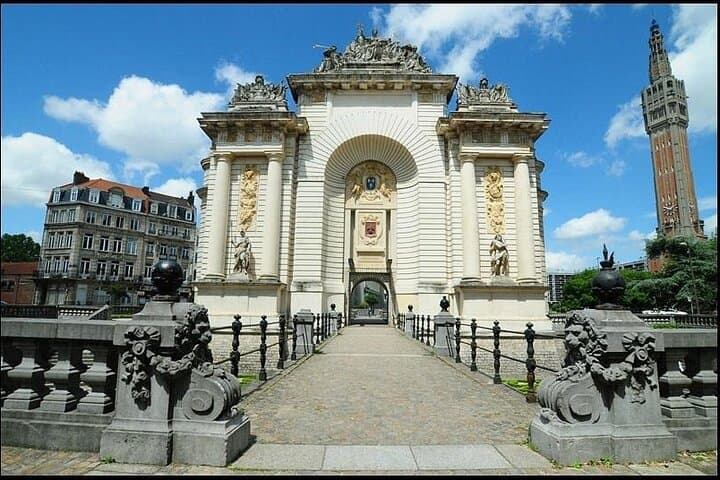
Walk 8 km through Lille’s Old Town with an audio guide in seven languages. This self-paced tour connects over 30 stories—from medieval gates to modern façades—letting you explore at your own tempo.
Walk 8 km through Lille’s Old Town with an audio guide in seven languages. This self-paced tour connects over 30 stories—from medieval gates to modern façades—letting you explore at your own tempo.
You arrive at Place du Général-de-Gaulle and the city opens like a map beneath your feet: tram rails hum, the Vieille Bourse hovers with its arcade voices, and the modern marble face of Notre-Dame de la Treille catches light like a contrarian grin.
Verified experiences and guided adventures in the surrounding area.
Operated by City App Tour · Lille, Hauts-de-France
You arrive at Place du Général-de-Gaulle and the city opens like a map beneath your feet: tram rails hum, the Vieille Bourse hovers with its arcade voices, and the modern marble face of Notre-Dame de la Treille catches light like a contrarian grin.
This 8 km self-guided walk threads together Lille’s layered past—medieval streets that grew under the Counts of Flanders, the Gothic traces of Rihour Palace, and 19th-century façades born of industrial wealth. The Deûle river skirts the city, a quiet mover that once powered mills and now dares you to stroll its quays. Architecture here is a dialogue between Flemish gables and Haussmann-era solidity; later interventions like Euralille announce Lille’s turn toward the contemporary.
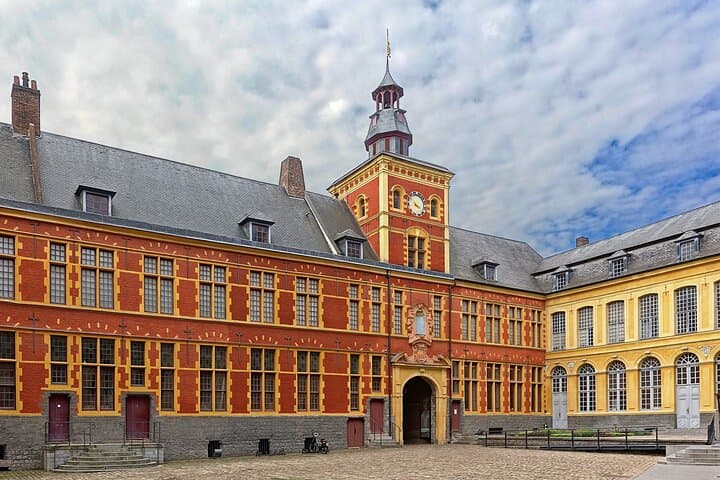
Culturally the city is compact and convivial: cafés spill onto square stones, and local museums—like the Musée de l'Hospice Comtesse—hold Flemish painting and civic artifacts that explain the city’s civic pride.
Practical guidance: the tour takes roughly 2–4 hours of walking and includes 30+ narrated stories accessible through an app activated by a code. Keep your phone GPS and internet enabled, use headphones, and expect cobblestones and occasional tram tracks underfoot. Start early to avoid midday crowds, pause for a coffee at a brasserie, and leave time if you plan to pop into a museum. Bring a power bank, comfortable shoes, a weather layer, and a map backup if you prefer paper navigation. The route is flat and suitable for most fitness levels; it’s an efficient way to experience Lille’s history and contemporary pulse on your own schedule.
easy.
2–4 hours (flexible, finish by end of next day).
Suitable for most fitness levels; requires sustained walking for several hours but no steep climbs.
The route is about 8 km and the narrated content takes roughly 2–4 hours; plan extra time if you intend to visit museums or stop for meals.
Yes—the activity requires GPS and an internet connection to download and play the audio and to track progress.
Much of the route is on paved streets but cobblestones and curbs can present obstacles; accessibility varies by segment—check local sidewalks and tram crossings.
Yes—the app remembers progress and you have until the end of the next day to finish the tour.
Lille grew from a 13th-century Flemish stronghold into an industrial hub in the 19th century; its built environment reflects periods of Burgundian, French and industrial influence.
Stick to sidewalks and marked paths, avoid climbing on historic façades, and support small local businesses to keep tourist impact distributed across the city.
City App Tour operates guided outdoor trips and adventures with an emphasis on safety, stewardship, and memorable experiences.
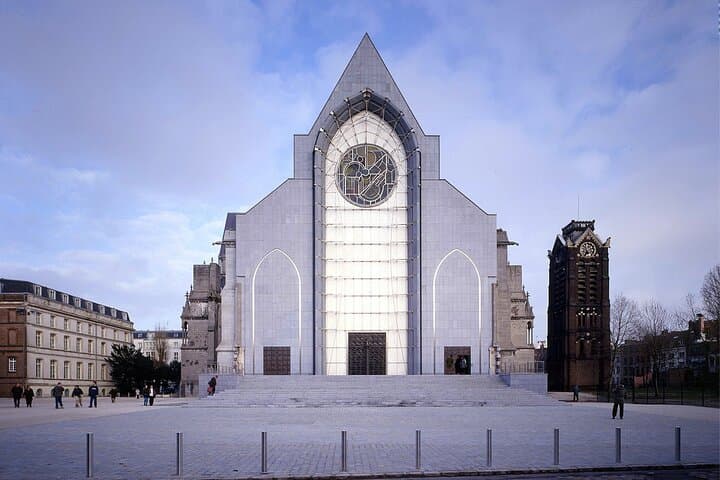

You arrive at Place du Général-de-Gaulle and the city opens like a map beneath your feet: tram rails hum, the Vieille Bourse hovers with its arcade voices, and the modern marble face of Notre-Dame de la Treille catches light like a contrarian grin.
You arrive at Place du Général-de-Gaulle and the city opens like a map beneath your feet: tram rails hum, the Vieille Bourse hovers with its arcade voices, and the modern marble face of Notre-Dame de la Treille catches light like a contrarian grin.
This 8 km self-guided walk threads together Lille’s layered past—medieval streets that grew under the Counts of Flanders, the Gothic traces of Rihour Palace, and 19th-century façades born of industrial wealth. The Deûle river skirts the city, a quiet mover that once powered mills and now dares you to stroll its quays. Architecture here is a dialogue between Flemish gables and Haussmann-era solidity; later interventions like Euralille announce Lille’s turn toward the contemporary.
Culturally the city is compact and convivial: cafés spill onto square stones, and local museums—like the Musée de l'Hospice Comtesse—hold Flemish painting and civic artifacts that explain the city’s civic pride.
Practical guidance: the tour takes roughly 2–4 hours of walking and includes 30+ narrated stories accessible through an app activated by a code. Keep your phone GPS and internet enabled, use headphones, and expect cobblestones and occasional tram tracks underfoot. Start early to avoid midday crowds, pause for a coffee at a brasserie, and leave time if you plan to pop into a museum. Bring a power bank, comfortable shoes, a weather layer, and a map backup if you prefer paper navigation. The route is flat and suitable for most fitness levels; it’s an efficient way to experience Lille’s history and contemporary pulse on your own schedule.