THE ADVENTURE COLLECTIVE® · Independent discovery and booking for outdoor travel

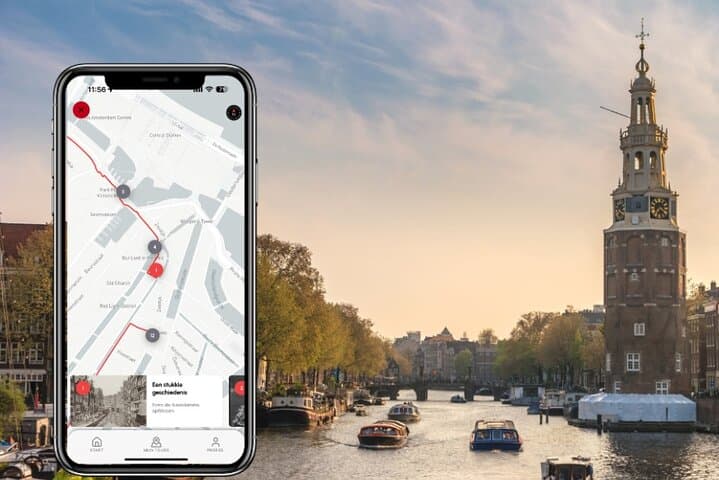
Explore the Jordaan at your own pace with an interactive, story-driven walking tour delivered through the Tassie app. Learn local history, hear surprising anecdotes, and use built-in prompts to spark conversation as you stroll the canals and markets.
Explore the Jordaan at your own pace with an interactive, story-driven walking tour delivered through the Tassie app. Learn local history, hear surprising anecdotes, and use built-in prompts to spark conversation as you stroll the canals and markets.
The first steps into the Jordaan feel like stepping into a neighborhood that still talks to you: narrow canals glance sideways at cobbled streets, bicycles slide past like practiced currents, and small cafés hum with evening plans. An app pings, a short story plays, and suddenly the facades and alleys begin to speak—about seamstresses, shipwrights, and the artists who repurposed working-class rooms into studios.
Verified experiences and guided adventures in the surrounding area.
Operated by Tassie · Amsterdam, North Holland
The first steps into the Jordaan feel like stepping into a neighborhood that still talks to you: narrow canals glance sideways at cobbled streets, bicycles slide past like practiced currents, and small cafés hum with evening plans. An app pings, a short story plays, and suddenly the facades and alleys begin to speak—about seamstresses, shipwrights, and the artists who repurposed working-class rooms into studios.
The Jordaan was formed in the 17th century as part of Amsterdam’s canal-ring expansion, built on reclaimed polder land and shaped by deliberate urban design. Its history is practical and human: merchants’ homes, hofjes (courtyards), and narrow canals that once supported small-scale trade. Geology here is flat—peat and clay underfoot—so the walk feels horizontal rather than vertical, but the architecture tells time in gables and patched brick.
Local culture is immediate: weekday markets selling cheese and antiques, stoops where neighbors argue about football, and discreet street art tucked behind a lamppost. The tour’s format converts facts into questions meant to start conversation, so the experience is as much social as it is informative.
Practical guidance: download the Tassie app on an iPhone and redeem the coupon code provided; expect 1–3 hours on foot and roughly 2–5 km of gentle walking over cobbles and occasional uneven pavement. Wear comfortable shoes, carry a small charger, and plan for bikes—traffic can be brisk. Morning or late afternoon visits avoid the busiest market times. Accessibility is good for wheelchairs on main streets, but check specific stretches before arrival.
easy.
1–3 hours.
Suitable for all fitness levels; minimal exertion required but expect walking on cobbles for up to a few hours.
After booking you’ll receive a coupon code; download the Tassie app on an iPhone, enter the code, and the Jordaan route will unlock to start when you’re ready.
Much of the Jordaan tour uses main streets and is marked as wheelchair accessible, but some side alleys and courtyards have cobbles or steps—check specific segments in the app if accessibility is critical.
The Tassie app provides content in English; availability of other languages may vary—confirm language options in the app before you begin.
This booking is listed as all sales final, so refunds are not available; confirm availability and details before purchasing.
Originally developed in the 17th century for working-class residents, the Jordaan later attracted artists and small businesses, creating the eclectic neighborhood seen today.
Respect the canals and narrow streets by minimizing noise, carrying out trash, and supporting independent shops; small behavioral choices help preserve both the architecture and local community.
Tassie operates guided outdoor trips and adventures with an emphasis on safety, stewardship, and memorable experiences.


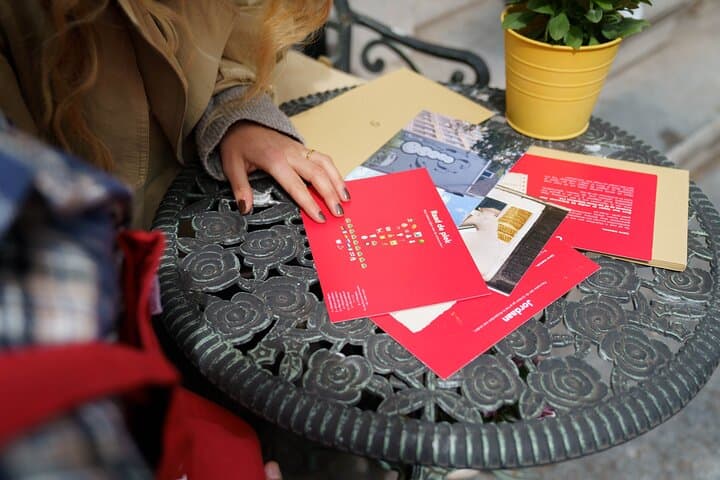
The first steps into the Jordaan feel like stepping into a neighborhood that still talks to you: narrow canals glance sideways at cobbled streets, bicycles slide past like practiced currents, and small cafés hum with evening plans. An app pings, a short story plays, and suddenly the facades and alleys begin to speak—about seamstresses, shipwrights, and the artists who repurposed working-class rooms into studios.
The first steps into the Jordaan feel like stepping into a neighborhood that still talks to you: narrow canals glance sideways at cobbled streets, bicycles slide past like practiced currents, and small cafés hum with evening plans. An app pings, a short story plays, and suddenly the facades and alleys begin to speak—about seamstresses, shipwrights, and the artists who repurposed working-class rooms into studios.
The Jordaan was formed in the 17th century as part of Amsterdam’s canal-ring expansion, built on reclaimed polder land and shaped by deliberate urban design. Its history is practical and human: merchants’ homes, hofjes (courtyards), and narrow canals that once supported small-scale trade. Geology here is flat—peat and clay underfoot—so the walk feels horizontal rather than vertical, but the architecture tells time in gables and patched brick.
Local culture is immediate: weekday markets selling cheese and antiques, stoops where neighbors argue about football, and discreet street art tucked behind a lamppost. The tour’s format converts facts into questions meant to start conversation, so the experience is as much social as it is informative.
Practical guidance: download the Tassie app on an iPhone and redeem the coupon code provided; expect 1–3 hours on foot and roughly 2–5 km of gentle walking over cobbles and occasional uneven pavement. Wear comfortable shoes, carry a small charger, and plan for bikes—traffic can be brisk. Morning or late afternoon visits avoid the busiest market times. Accessibility is good for wheelchairs on main streets, but check specific stretches before arrival.