THE ADVENTURE COLLECTIVE® · Independent discovery and booking for outdoor travel

Walk Harvard Yard at your own pace with GPS-guided audio and offline maps. This 90–120 minute self-guided tour threads the university’s oldest quads, libraries, and lesser-known corners while delivering history and practical navigation tips.
Walk Harvard Yard at your own pace with GPS-guided audio and offline maps. This 90–120 minute self-guided tour threads the university’s oldest quads, libraries, and lesser-known corners while delivering history and practical navigation tips.
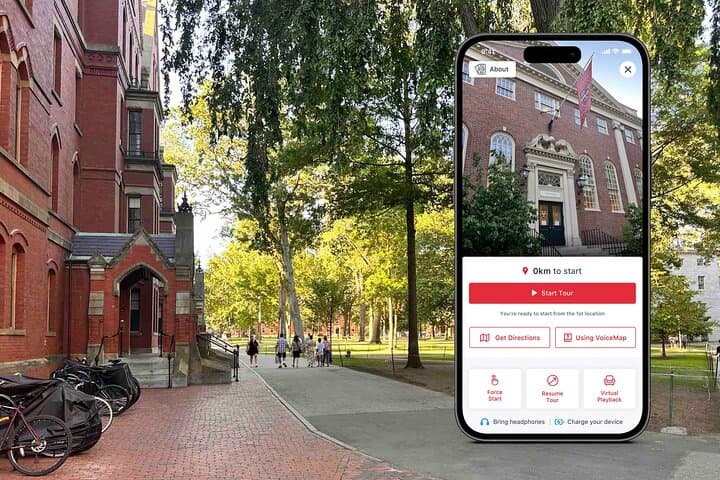
You step through the iron gate into Harvard Yard and the city shifts—stone and brick, narrow paths, and elms that have shaded generations of students. The footsteps of undergraduates, the hush near Memorial Church, and the quiet gravity of Widener Library create a campus that reads like a living archive.
Verified experiences and guided adventures in the surrounding area.
Operated by VoiceMap Audio Tours · Cambridge, Massachusetts
You step through the iron gate into Harvard Yard and the city shifts—stone and brick, narrow paths, and elms that have shaded generations of students. The footsteps of undergraduates, the hush near Memorial Church, and the quiet gravity of Widener Library create a campus that reads like a living archive.
Founded in 1636, Harvard grew from a Puritan college for clergy into a global research university; its brick and granite facades record colonial politics, 19th-century expansions, and twentieth-century architectural debates. Geologically, the campus sits on the gentle drumlins of the Charles River basin—low rises that shape views across Cambridge and toward the river. Culturally, Harvard Square hums with bookshops, cafes, and student-run clubs that keep the place lively beyond lecture hours.
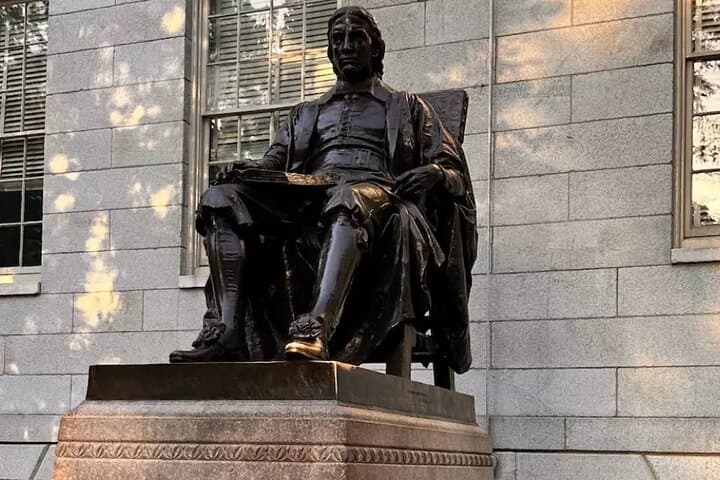
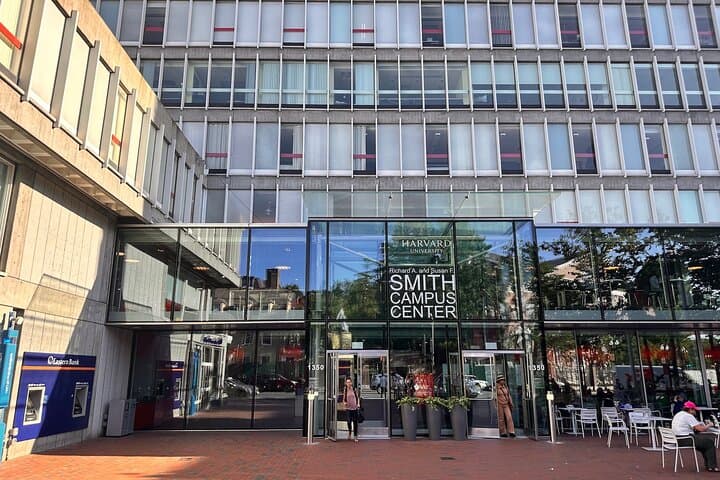
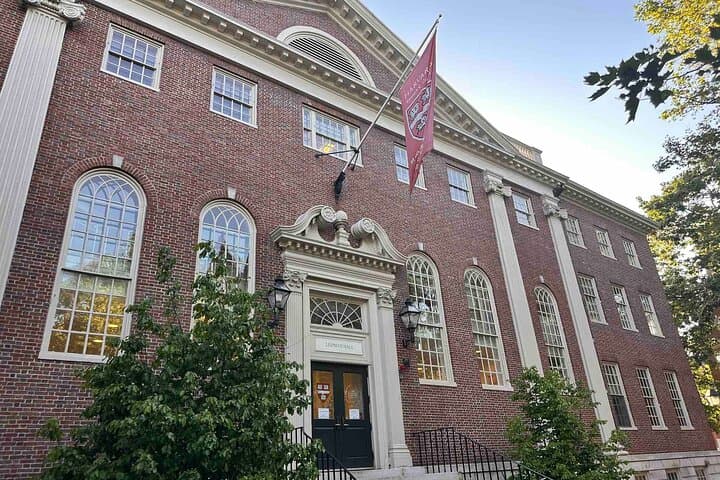
This self-guided route starts at the Harvard Square Student Center and moves through the Yard, passing Widener Library, Sever Hall, Memorial Church, and landmark faculty buildings. Audio, offline maps, and GPS let you pause where you like: read an inscription, photograph a carved doorway, or sit on a granite bench and watch commuter bicycles thread the streets.
Plan for 90–120 minutes at an easy pace; expect paved walkways, occasional cobblestones, and steps into older halls. Respect academic schedules and private clubs—many buildings are visible from the outside only. Bring a charged phone for maps and media, comfortable shoes, a light rain layer in shoulder seasons, and a water bottle. Mornings and late afternoons offer softer light and fewer crowds—perfect for photography and quiet moments among historic stone and living trees.
easy.
1.5–2 hours.
Suitable for most fitness levels; light walking for up to two hours with short stops
No — the self-guided tour views exterior landmarks; entry to museums or specific buildings requires separate admission or permission.
Much of the main route is on paved paths and accessible, but some older buildings have steps; check specific building access before attempting entry.
The audio and maps work any time, but many buildings and plazas are less lit and some areas may close after hours—use caution and public transit information.
Yes — Harvard Square is served by the MBTA Red Line and multiple bus routes, making arrival and departure straightforward.
Founded in 1636, Harvard is the United States’ oldest institution of higher learning and expanded through colonial, federal, and modern eras shaping American education.
The university maintains historic preservation programs for buildings and promotes low-impact visiting—stay on paths, avoid lawns marked private, and use campus trash and recycling bins.
VoiceMap Audio Tours operates guided outdoor trips and adventures with an emphasis on safety, stewardship, and memorable experiences.
You step through the iron gate into Harvard Yard and the city shifts—stone and brick, narrow paths, and elms that have shaded generations of students. The footsteps of undergraduates, the hush near Memorial Church, and the quiet gravity of Widener Library create a campus that reads like a living archive.
You step through the iron gate into Harvard Yard and the city shifts—stone and brick, narrow paths, and elms that have shaded generations of students. The footsteps of undergraduates, the hush near Memorial Church, and the quiet gravity of Widener Library create a campus that reads like a living archive.
Founded in 1636, Harvard grew from a Puritan college for clergy into a global research university; its brick and granite facades record colonial politics, 19th-century expansions, and twentieth-century architectural debates. Geologically, the campus sits on the gentle drumlins of the Charles River basin—low rises that shape views across Cambridge and toward the river. Culturally, Harvard Square hums with bookshops, cafes, and student-run clubs that keep the place lively beyond lecture hours.
This self-guided route starts at the Harvard Square Student Center and moves through the Yard, passing Widener Library, Sever Hall, Memorial Church, and landmark faculty buildings. Audio, offline maps, and GPS let you pause where you like: read an inscription, photograph a carved doorway, or sit on a granite bench and watch commuter bicycles thread the streets.
Plan for 90–120 minutes at an easy pace; expect paved walkways, occasional cobblestones, and steps into older halls. Respect academic schedules and private clubs—many buildings are visible from the outside only. Bring a charged phone for maps and media, comfortable shoes, a light rain layer in shoulder seasons, and a water bottle. Mornings and late afternoons offer softer light and fewer crowds—perfect for photography and quiet moments among historic stone and living trees.