THE ADVENTURE COLLECTIVE® · Independent discovery and booking for outdoor travel

Walk Groningen at your own pace with a GPS-guided audio tour that connects the Grote Markt, Martinitoren and Forum. Two hours of flat city steps, hidden courtyards and historical context—ideal for independent travelers and families.
Walk Groningen at your own pace with a GPS-guided audio tour that connects the Grote Markt, Martinitoren and Forum. Two hours of flat city steps, hidden courtyards and historical context—ideal for independent travelers and families.
A late-morning sun strikes the red brick façades of the Grote Markt as footsteps and tram bells stitch together the rhythm of Groningen. You tap the web app, feel the city nudge you toward narrow streets, and begin a two-hour loop that threads medieval stone, 17th‑century civic pride, and sharp contemporary design.
Verified experiences and guided adventures in the surrounding area.
Operated by Niki Your TravelBuddy · Groningen, Groningen
A late-morning sun strikes the red brick façades of the Grote Markt as footsteps and tram bells stitch together the rhythm of Groningen. You tap the web app, feel the city nudge you toward narrow streets, and begin a two-hour loop that threads medieval stone, 17th‑century civic pride, and sharp contemporary design.
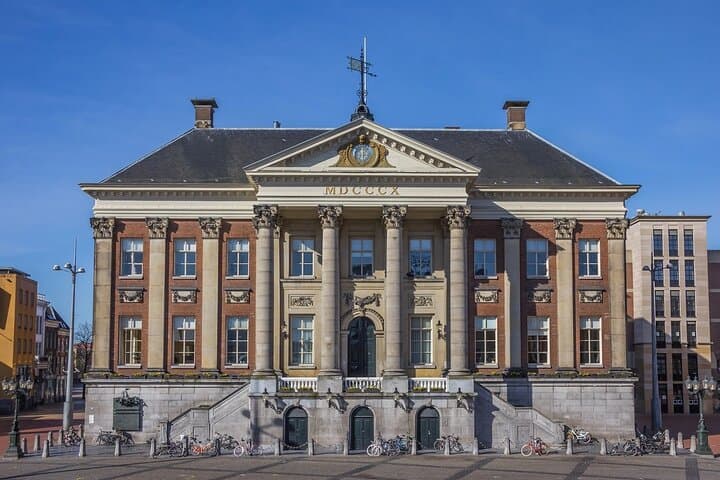
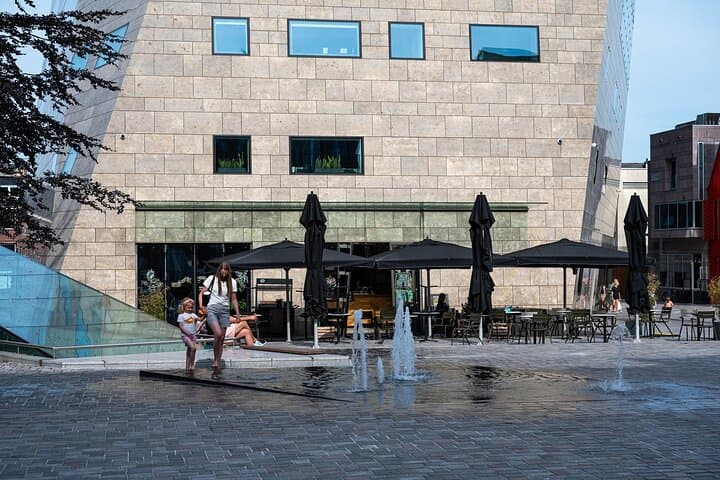
The route highlights the Martinitoren (the city’s tallest church tower), the Forum’s modern roof terrace, the historical Vismarkt and the quiet Pelstergasthuis courtyard. Groningen’s street plan preserves patterns that may date to Roman-influenced layouts; its prosperity in the 15th–17th centuries left a legacy of neoclassical and Renaissance civic buildings like the Goudkantoor and the renovated town hall on the Grote Markt.
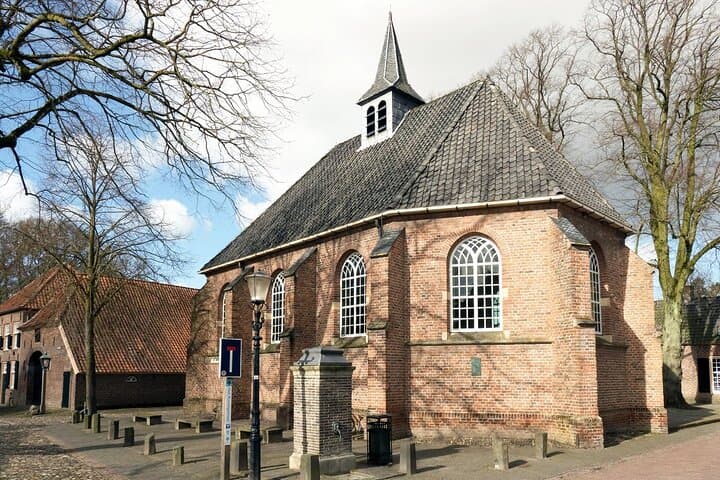
Geologically, the city sits on low peat and sandy soils of northern Netherlands; expect flat, easy grades but occasional cobbles and tram tracks underfoot. Culturally, Groningen is a student city—cafés, street art and bicycle traffic shape the pace and personality of the tour. The audio tracks add local anecdotes and architectural context while GPS pins point you to lesser-known stops like a small former synagogue and the oldest guesthouse, Pelstergasthuis.
Practical guidance: the walk is roughly 2–3 km with many photo stops and minimal elevation gain. Surfaces are mostly paved; the experience is wheelchair and stroller accessible on the provided route, though cobbles can be bumpy. Download the web app and offline map before you go, charge your phone, and plan arrivals before major museum opening times if you want to go inside. Midday and early evening offer the warmest light for photos; bring a light rain layer year-round.
easy.
2 hours.
Suitable for most fitness levels; requires walking 2–3 km with frequent stops
The self-guided loop is designed for about two hours including brief stops; allow extra time if you plan to enter museums or climb towers.
No native app is required—the experience runs in a web browser (web app). Download pages for offline use and enable location services for GPS guidance.
Yes—the provided route is wheelchair- and stroller-accessible, but some historic sites have cobbles or steps at entrances; check individual attraction access if you need step-free entry.
Yes—this is a self-guided tour available on demand. Note that attraction interiors have set opening hours, so plan visits accordingly.
Groningen grew in importance during the Middle Ages and reached economic prominence in the 15th century; the Martinikerk and Martinitoren reflect that long civic history.
The city emphasizes cycling and public transit to reduce car traffic; visitors are encouraged to use existing paths, avoid tram tracks, and support local conservation by using refill stations and waste bins.
Niki Your TravelBuddy operates guided outdoor trips and adventures with an emphasis on safety, stewardship, and memorable experiences.

A late-morning sun strikes the red brick façades of the Grote Markt as footsteps and tram bells stitch together the rhythm of Groningen. You tap the web app, feel the city nudge you toward narrow streets, and begin a two-hour loop that threads medieval stone, 17th‑century civic pride, and sharp contemporary design.
A late-morning sun strikes the red brick façades of the Grote Markt as footsteps and tram bells stitch together the rhythm of Groningen. You tap the web app, feel the city nudge you toward narrow streets, and begin a two-hour loop that threads medieval stone, 17th‑century civic pride, and sharp contemporary design.
The route highlights the Martinitoren (the city’s tallest church tower), the Forum’s modern roof terrace, the historical Vismarkt and the quiet Pelstergasthuis courtyard. Groningen’s street plan preserves patterns that may date to Roman-influenced layouts; its prosperity in the 15th–17th centuries left a legacy of neoclassical and Renaissance civic buildings like the Goudkantoor and the renovated town hall on the Grote Markt.
Geologically, the city sits on low peat and sandy soils of northern Netherlands; expect flat, easy grades but occasional cobbles and tram tracks underfoot. Culturally, Groningen is a student city—cafés, street art and bicycle traffic shape the pace and personality of the tour. The audio tracks add local anecdotes and architectural context while GPS pins point you to lesser-known stops like a small former synagogue and the oldest guesthouse, Pelstergasthuis.
Practical guidance: the walk is roughly 2–3 km with many photo stops and minimal elevation gain. Surfaces are mostly paved; the experience is wheelchair and stroller accessible on the provided route, though cobbles can be bumpy. Download the web app and offline map before you go, charge your phone, and plan arrivals before major museum opening times if you want to go inside. Midday and early evening offer the warmest light for photos; bring a light rain layer year-round.