THE ADVENTURE COLLECTIVE® · Independent discovery and booking for outdoor travel

Taste your way through De Pijp with a step-by-step PDF guide to 6–8 family-run food stops, exclusive tastings and local stories. Perfect for self-paced exploration of Amsterdam’s most vibrant market neighborhood.
Taste your way through De Pijp with a step-by-step PDF guide to 6–8 family-run food stops, exclusive tastings and local stories. Perfect for self-paced exploration of Amsterdam’s most vibrant market neighborhood.
You step off a tram into De Pijp and the city shifts: canals glance, cafes hum, and the smell of frying batter and sweet syrup threads through the air.
Verified experiences and guided adventures in the surrounding area.
Operated by Who Is Amsterdam Tours · Amsterdam, North Holland
You step off a tram into De Pijp and the city shifts: canals glance, cafes hum, and the smell of frying batter and sweet syrup threads through the air.
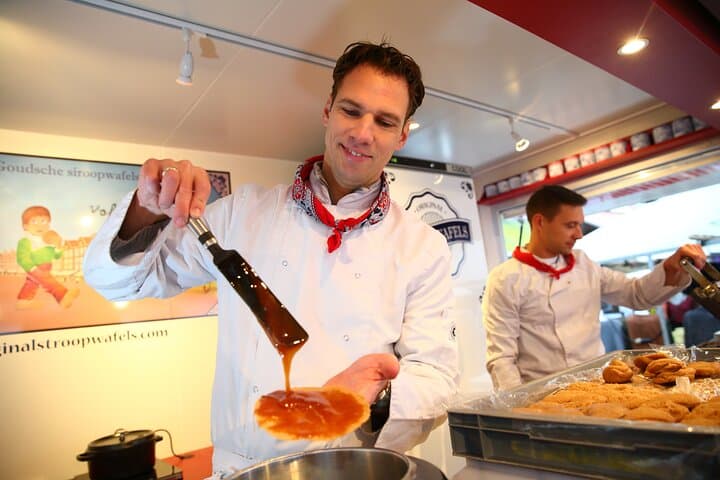
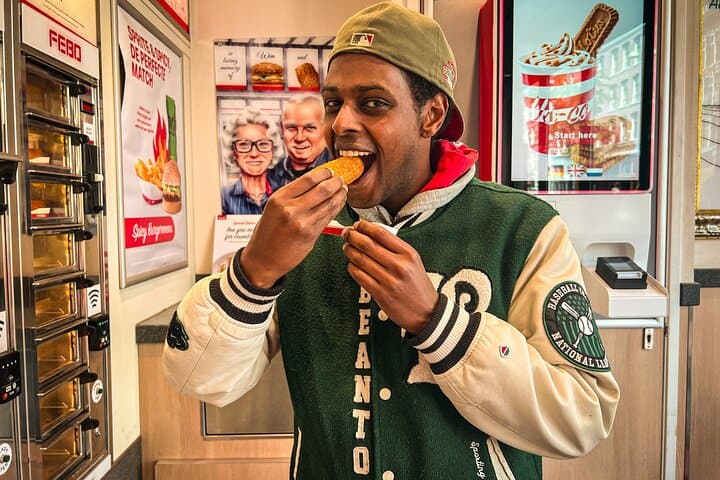
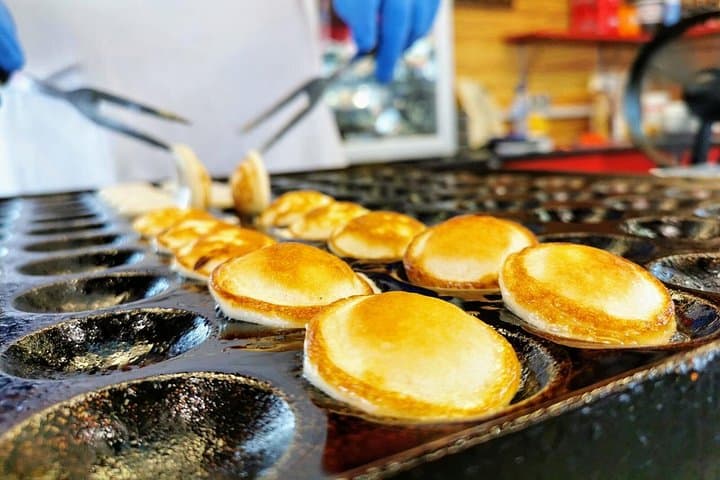
This self-guided food walk follows short blocks and market stalls around the Albert Cuyp Market and surrounding streets, sending you to 6–8 family-run stops for croquettes, stroopwafels, poffertjes, Surinamese snacks and takoyaki. The experience reads like a neighborhood primer — informal, fast-moving and high on flavor.
De Pijp’s streets were built during Amsterdam’s early-20th-century expansion; the area has long been shaped by waves of migration, which is reflected in its food — Dutch staples shoulder up against Surinamese, Indonesian and Japanese influences. Geologically you’re on reclaimed lowland; canals are the engineered lungs of the city, guiding both people and trade.
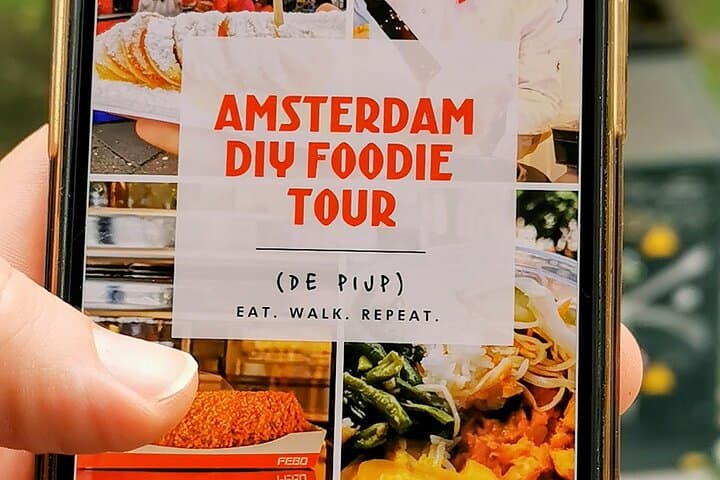
Local insights arrive in the PDF guide: map links, vendor backstories and exclusive tasting deals that save both euros and waistline space. Walk routes are compact — most stops are minutes apart — so this is about taste, not endurance.
Practical guidance: go mid-morning or late afternoon to miss peak crowds, bring a charged phone for the PDF and maps, and leave room between tastings. Wear comfortable, water-resistant shoes for cobbles and occasional market spills; keep a reusable water bottle and small bag for purchases and wrappers.
This tour is easy to modify: linger at a café, swap a stop for a sit-down meal, or extend into Sarphatipark. It’s an urban snack crawl that teaches the stories behind the bites while keeping navigation simple and self-paced.
easy.
1–2 hours.
Suitable for most fitness levels; involves repeated short walks and standing at food stalls.
Open the PDF on your phone and follow the provided Google Map links; each stop includes suggested tastings and redemption notes for discounts.
De Pijp and the Albert Cuyp Market offer generally flat surfaces and wheelchair-accessible routes, though some stalls and narrow aisles can be crowded—plan arrival during quieter times.
The guide recommends 6–8 stops with exclusive deals at 7 locations; portion sizes are small so you can sample multiple items without overfilling.
All sales are final per the operator’s policy; confirm availability and timing before purchasing as refunds are not offered.
De Pijp grew rapidly in the late 19th and early 20th centuries as Amsterdam expanded; the Albert Cuyp Market opened in 1905 and became a focal point for the neighborhood’s diverse food traditions.
Support vendors who use minimal packaging, carry a reusable bottle and bag, and dispose of waste at marked bins to help keep market streets tidy and sustainable.
Who Is Amsterdam Tours operates guided outdoor trips and adventures with an emphasis on safety, stewardship, and memorable experiences.
You step off a tram into De Pijp and the city shifts: canals glance, cafes hum, and the smell of frying batter and sweet syrup threads through the air.
You step off a tram into De Pijp and the city shifts: canals glance, cafes hum, and the smell of frying batter and sweet syrup threads through the air.
This self-guided food walk follows short blocks and market stalls around the Albert Cuyp Market and surrounding streets, sending you to 6–8 family-run stops for croquettes, stroopwafels, poffertjes, Surinamese snacks and takoyaki. The experience reads like a neighborhood primer — informal, fast-moving and high on flavor.
De Pijp’s streets were built during Amsterdam’s early-20th-century expansion; the area has long been shaped by waves of migration, which is reflected in its food — Dutch staples shoulder up against Surinamese, Indonesian and Japanese influences. Geologically you’re on reclaimed lowland; canals are the engineered lungs of the city, guiding both people and trade.
Local insights arrive in the PDF guide: map links, vendor backstories and exclusive tasting deals that save both euros and waistline space. Walk routes are compact — most stops are minutes apart — so this is about taste, not endurance.
Practical guidance: go mid-morning or late afternoon to miss peak crowds, bring a charged phone for the PDF and maps, and leave room between tastings. Wear comfortable, water-resistant shoes for cobbles and occasional market spills; keep a reusable water bottle and small bag for purchases and wrappers.
This tour is easy to modify: linger at a café, swap a stop for a sit-down meal, or extend into Sarphatipark. It’s an urban snack crawl that teaches the stories behind the bites while keeping navigation simple and self-paced.