THE ADVENTURE COLLECTIVE® · Independent discovery and booking for outdoor travel

Walk four of Malmö’s best bites in a compact self‑guided loop — from the working fishmarket to a lively Saluhall food hall. Expect 3–4 hours of easy walking, local stories, and a mix of traditional Swedish fare and global flavors.
Walk four of Malmö’s best bites in a compact self‑guided loop — from the working fishmarket to a lively Saluhall food hall. Expect 3–4 hours of easy walking, local stories, and a mix of traditional Swedish fare and global flavors.
On a bright Malmö morning you set out with a printed map and a pocket of curiosity, stepping from cobbled streets toward the harbor where the sea still shapes the city’s appetite. The route threads between a 19th‑century food hall, a working fishmarket by Malmöhus Castle, and a classic bakery whose ovens hum like an old radio — four stops that read like a compact snapshot of Malmö’s culinary life.
Verified experiences and guided adventures in the surrounding area.
Operated by Travelshop Sweden · Malmö, Skåne
On a bright Malmö morning you set out with a printed map and a pocket of curiosity, stepping from cobbled streets toward the harbor where the sea still shapes the city’s appetite. The route threads between a 19th‑century food hall, a working fishmarket by Malmöhus Castle, and a classic bakery whose ovens hum like an old radio — four stops that read like a compact snapshot of Malmö’s culinary life.
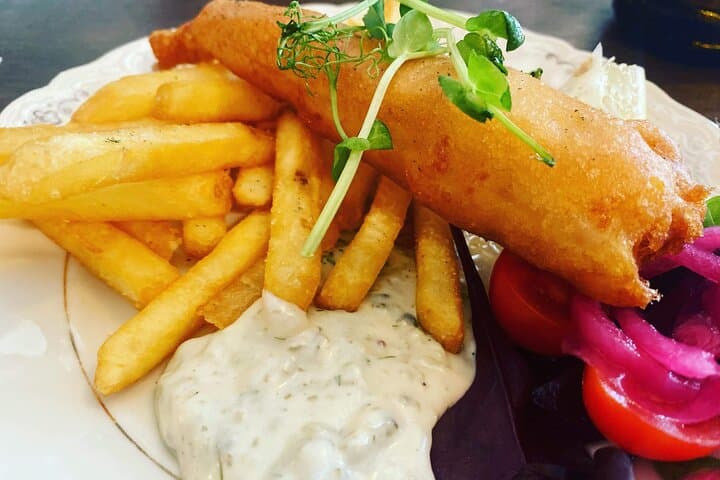
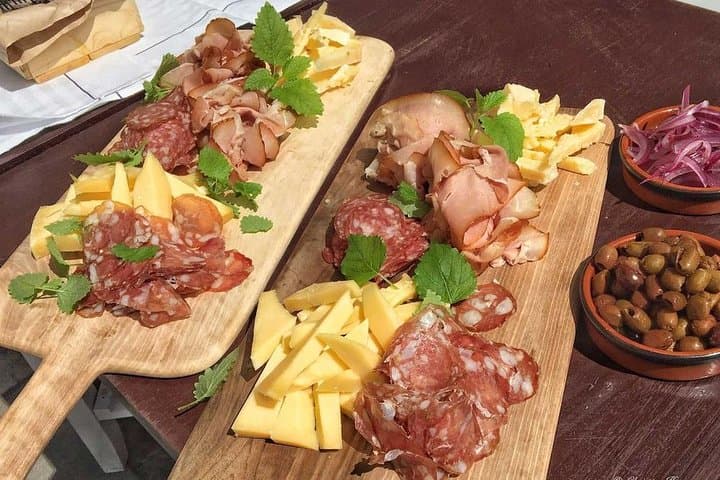
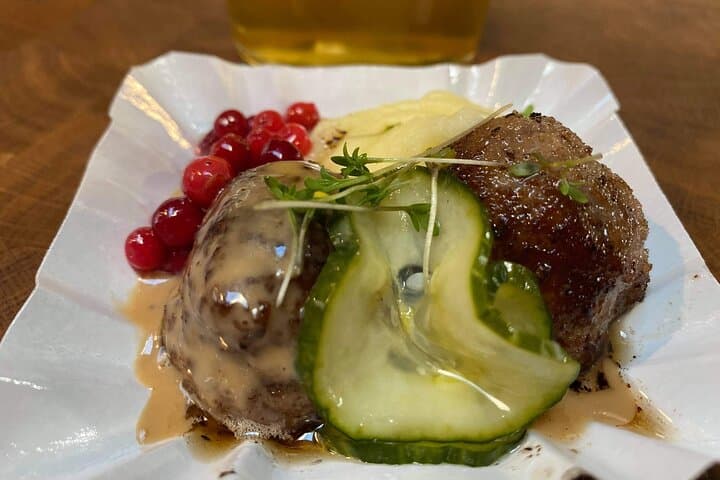
Malmö’s food story is both regional and global: smoked eel and west‑coast shellfish at Fiskehoddorna meet the artisanal stalls of Saluhall, itself housed in a refurbished warehouse, while immigrant kitchens have layered the city with Korean, Middle Eastern and African flavors. Geology and geography matter here — the shallow Öresund and fertile Skåne fields have long supplied fish and vegetables that define local dishes.
This self‑guided loop is practical and walkable: expect roughly 2–3 miles (3–5 km) of easy urban walking over 3–4 hours, with short stops to taste and listen to proprietors’ stories. Use the included food map to keep the sequence efficient and reserve dietary requests ahead of time; many vendors are organic‑focused and willing to adapt. Wear comfortable shoes, carry a small bottle for refills, and plan for variable weather — Malmö can shift from sun to sea breeze in an hour.
The tour rewards slow tasting and quick cultural context: bring an appetite and a readiness to learn from cooks who balance tradition with contemporary Nordic ingredients.
easy.
3–4 hours.
Suitable for most fitness levels; comfortable walking for a few hours is enough
Yes — the tour requires a booking for the food map and to reserve vendor participation; cancel at least 24 hours for a full refund.
Yes — the tour is family‑friendly but note portions may be tasting sizes and some stops serve alcohol.
Vendors often offer vegetarian options and can adjust for allergies if notified at booking time.
Self-guided — you receive a printed and digital food map to navigate four curated stops at your own pace.
Malmö grew around its harbor and castle; the Saluhall occupies a refurbished 19th‑century warehouse and Fiskehoddorna continues a long tradition of coastal fish trade.
Many vendors prioritize local, organic produce and sustainable seafood; bring reusable containers and dispose of waste in marked recycling bins.
Travelshop Sweden operates guided outdoor trips and adventures with an emphasis on safety, stewardship, and memorable experiences.
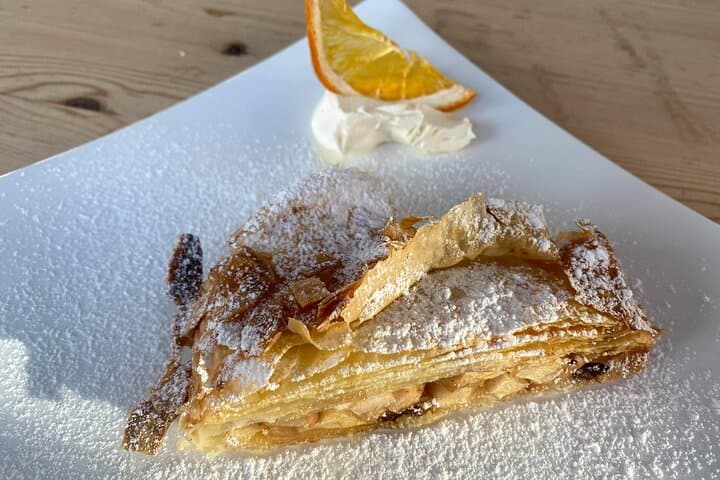
On a bright Malmö morning you set out with a printed map and a pocket of curiosity, stepping from cobbled streets toward the harbor where the sea still shapes the city’s appetite. The route threads between a 19th‑century food hall, a working fishmarket by Malmöhus Castle, and a classic bakery whose ovens hum like an old radio — four stops that read like a compact snapshot of Malmö’s culinary life.
On a bright Malmö morning you set out with a printed map and a pocket of curiosity, stepping from cobbled streets toward the harbor where the sea still shapes the city’s appetite. The route threads between a 19th‑century food hall, a working fishmarket by Malmöhus Castle, and a classic bakery whose ovens hum like an old radio — four stops that read like a compact snapshot of Malmö’s culinary life.
Malmö’s food story is both regional and global: smoked eel and west‑coast shellfish at Fiskehoddorna meet the artisanal stalls of Saluhall, itself housed in a refurbished warehouse, while immigrant kitchens have layered the city with Korean, Middle Eastern and African flavors. Geology and geography matter here — the shallow Öresund and fertile Skåne fields have long supplied fish and vegetables that define local dishes.
This self‑guided loop is practical and walkable: expect roughly 2–3 miles (3–5 km) of easy urban walking over 3–4 hours, with short stops to taste and listen to proprietors’ stories. Use the included food map to keep the sequence efficient and reserve dietary requests ahead of time; many vendors are organic‑focused and willing to adapt. Wear comfortable shoes, carry a small bottle for refills, and plan for variable weather — Malmö can shift from sun to sea breeze in an hour.
The tour rewards slow tasting and quick cultural context: bring an appetite and a readiness to learn from cooks who balance tradition with contemporary Nordic ingredients.