THE ADVENTURE COLLECTIVE® · Independent discovery and booking for outdoor travel

A self-guided city game through Antwerp that sends teams through historic streets to solve riddles tied to the 2003 diamond heist. Two hours, mixed urban terrain, and a chance to find the city’s ‘secret exit.’
A self-guided city game through Antwerp that sends teams through historic streets to solve riddles tied to the 2003 diamond heist. Two hours, mixed urban terrain, and a chance to find the city’s ‘secret exit.’
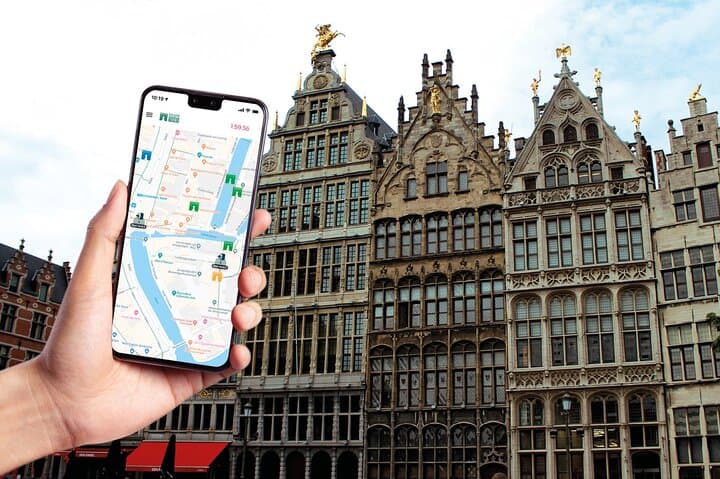
You step off the tram into a square of worn stones and the city immediately gets to work on you — questions in shop windows, clues tucked into alleys, and the Scheldt flowing just out of sight, as if daring you to follow. The app pings; a brief backstory unfurls about Leonardo Notarbartolo, the man behind one of Antwerp’s biggest diamond heists, and your team pulls away from the map to chase riddles through the old quarter.
Verified experiences and guided adventures in the surrounding area.
Operated by Escape Tours · Antwerp, Antwerp Province
You step off the tram into a square of worn stones and the city immediately gets to work on you — questions in shop windows, clues tucked into alleys, and the Scheldt flowing just out of sight, as if daring you to follow. The app pings; a brief backstory unfurls about Leonardo Notarbartolo, the man behind one of Antwerp’s biggest diamond heists, and your team pulls away from the map to chase riddles through the old quarter.
Antwerp’s streets tell a compact history: medieval plots give way to 19th-century warehouses in the Diamond District and bold modern façades near the river. Geologically the ground is flat floodplain, so expect cobbles and paved sidewalks rather than steep climbs. Culturally, the route intersects neighborhoods known for trade, craft and cafés — you’ll pass guild-house corners and contemporary murals that mark the city’s layered commerce and creativity.
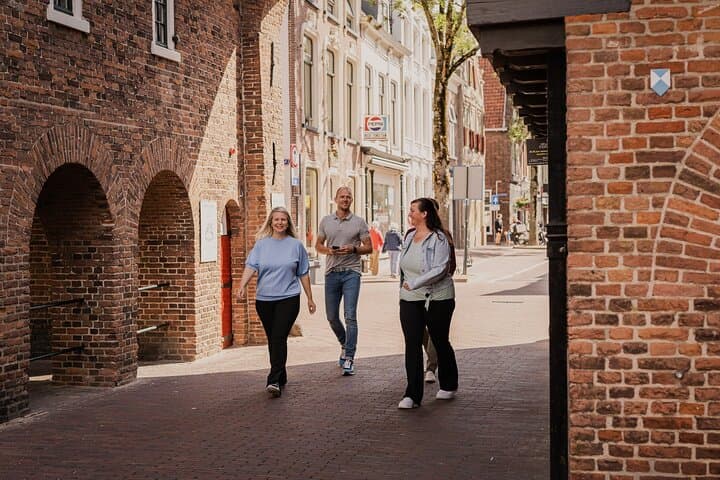
The game is practical: two hours of urban walking, roughly 3–4 km depending on routes chosen, with minimal elevation gain (under 30 m). Terrain is mixed — cobblestones, trams tracks, pedestrian lanes — so steady footing matters. Playable on your own schedule, it requires a smartphone, an email login to receive instructions, and a team of 2–4 people per ticket.
To get the most from the tour, start near the cathedral or Central Station to marry efficient transit with atmospheric streets, charge your phone, and wear shoes you don’t mind walking on cobbles. If you solve the final puzzle in time, your team can claim a spot on the Wall of Fame — a small reward for attention to detail and quick feet.
moderate.
2 hours.
Moderate — capable of 3–4 km of walking on uneven pavement and negotiating short stairways or curbs.
One ticket covers a team of 2–4 people; larger groups should purchase additional tickets so every 2–4 players share one.
Yes — this is a self-guided experience that can be started at your convenience within operating hours; you receive instructions by e-mail before starting.
The tour notes wheelchair accessibility for many sections, but cobblestones and occasional curbs could still present challenges depending on specific mobility needs.
No payment is required during the game, but bring a card or cash if you plan to stop at cafés or museums along the route.
The narrative references Leonardo Notarbartolo, linked to the 2003 Antwerp diamond heist that exposed the city’s complex gem-trade infrastructure.
Stick to sidewalks and marked routes to protect historic paving; avoid leaving clues or litter and support local shops rather than altering public space.
Escape Tours operates guided outdoor trips and adventures with an emphasis on safety, stewardship, and memorable experiences.


You step off the tram into a square of worn stones and the city immediately gets to work on you — questions in shop windows, clues tucked into alleys, and the Scheldt flowing just out of sight, as if daring you to follow. The app pings; a brief backstory unfurls about Leonardo Notarbartolo, the man behind one of Antwerp’s biggest diamond heists, and your team pulls away from the map to chase riddles through the old quarter.
You step off the tram into a square of worn stones and the city immediately gets to work on you — questions in shop windows, clues tucked into alleys, and the Scheldt flowing just out of sight, as if daring you to follow. The app pings; a brief backstory unfurls about Leonardo Notarbartolo, the man behind one of Antwerp’s biggest diamond heists, and your team pulls away from the map to chase riddles through the old quarter.
Antwerp’s streets tell a compact history: medieval plots give way to 19th-century warehouses in the Diamond District and bold modern façades near the river. Geologically the ground is flat floodplain, so expect cobbles and paved sidewalks rather than steep climbs. Culturally, the route intersects neighborhoods known for trade, craft and cafés — you’ll pass guild-house corners and contemporary murals that mark the city’s layered commerce and creativity.
The game is practical: two hours of urban walking, roughly 3–4 km depending on routes chosen, with minimal elevation gain (under 30 m). Terrain is mixed — cobblestones, trams tracks, pedestrian lanes — so steady footing matters. Playable on your own schedule, it requires a smartphone, an email login to receive instructions, and a team of 2–4 people per ticket.
To get the most from the tour, start near the cathedral or Central Station to marry efficient transit with atmospheric streets, charge your phone, and wear shoes you don’t mind walking on cobbles. If you solve the final puzzle in time, your team can claim a spot on the Wall of Fame — a small reward for attention to detail and quick feet.