THE ADVENTURE COLLECTIVE® · Independent discovery and booking for outdoor travel

Turn Trier’s Roman streets into a city‑wide puzzle with a smartphone e‑scavenger hunt. Spend 2–3 hours exploring Porta Nigra, the cathedral and market squares at your own pace with app‑based clues and local history.
Turn Trier’s Roman streets into a city‑wide puzzle with a smartphone e‑scavenger hunt. Spend 2–3 hours exploring Porta Nigra, the cathedral and market squares at your own pace with app‑based clues and local history.
You step onto cobbles that remember marching Roman boots and your phone vibrates with the first clue. The Moselle threads past, daring you to follow its curve as you move from the shadow of the Porta Nigra toward the bright square of the Hauptmarkt.
Verified experiences and guided adventures in the surrounding area.
Operated by Qula · Trier, Rhineland-Palatinate
You step onto cobbles that remember marching Roman boots and your phone vibrates with the first clue. The Moselle threads past, daring you to follow its curve as you move from the shadow of the Porta Nigra toward the bright square of the Hauptmarkt.
Trier is one of Germany’s oldest cities; its streets still carry layers of Roman planning, medieval trade, and 19th‑century restoration. Stone and brick speak plainly here: the Porta Nigra, Constantine’s Basilica and the Kaiserthermen are not props but structural chapters of continental history. The Liebfrauenkirche and Trier Cathedral form a compact UNESCO cluster that compresses centuries into a few minutes of walking and reading.
This self‑guided, app‑based city game turns sightseeing into a light scavenger hunt—answer location questions, complete search tasks and pause whenever you like. Routes are built for easy urban walking: expect mostly paved, occasionally uneven cobblestones and short stair sections around older monuments. The game highlights civic architecture, market squares, the old crane on the Moselle and smaller corners like the Kornmarkt.
Practical edge: plan for 2–3 hours, charge your phone and download any offline map before you start. Midweek mornings reduce crowds at the cathedral; late afternoon brings softer light for photos by the river. Accessibility is good across central Trier—many streets and points listed are stroller and wheelchair accessible, but some historic interiors have steps. Bring sensible shoes, a power bank and a curiosity for layered history—this is a walking puzzle that rewards observation more than speed.
easy.
2–3 hours.
Suitable for most fitness levels—this is urban walking with short distances between stops; be prepared for some cobblestones and brief stair sections.
You receive login and start instructions after booking; open the app on your phone and follow the prompts—there’s no fixed start time.
Central Trier’s main squares and many streets are wheelchair and stroller accessible, but some historic interiors and narrow lanes may have steps—check individual sites if you need full step‑free access.
Yes. The self‑guided format lets you stop and restart as you choose within your access period—plan your time around opening hours for interior visits.
Yes. The game is designed to be family‑friendly with tasks and questions suitable for mixed ages and abilities.
Trier grew as Augusta Treverorum under the Romans; many central monuments—Porta Nigra, Constantine Basilica and imperial baths—trace back to Roman urban planning and imperial presence.
Trier’s historic core is protected under heritage regulations; visitors are asked to respect signage, avoid climbing monuments and support local businesses to reduce visitor impact.
Qula operates guided outdoor trips and adventures with an emphasis on safety, stewardship, and memorable experiences.

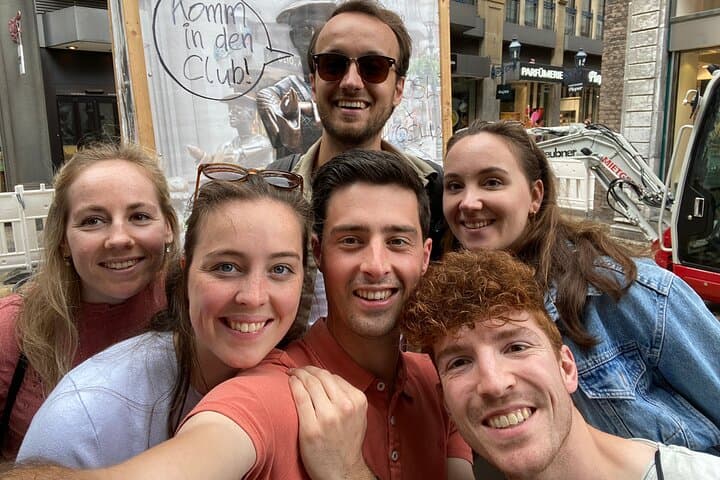
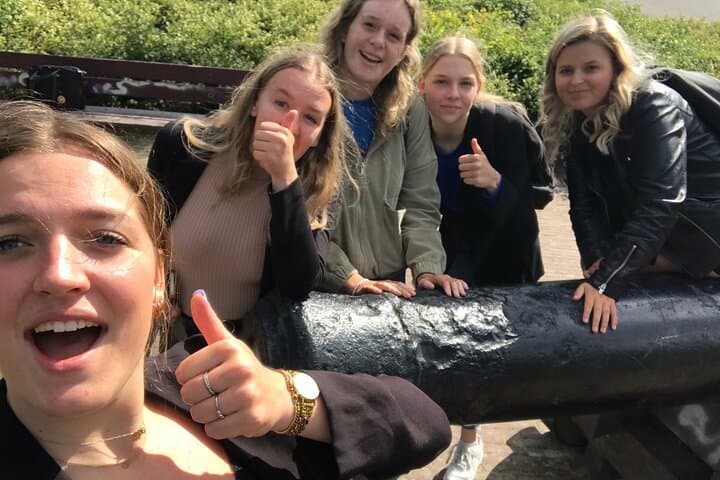

You step onto cobbles that remember marching Roman boots and your phone vibrates with the first clue. The Moselle threads past, daring you to follow its curve as you move from the shadow of the Porta Nigra toward the bright square of the Hauptmarkt.
You step onto cobbles that remember marching Roman boots and your phone vibrates with the first clue. The Moselle threads past, daring you to follow its curve as you move from the shadow of the Porta Nigra toward the bright square of the Hauptmarkt.
Trier is one of Germany’s oldest cities; its streets still carry layers of Roman planning, medieval trade, and 19th‑century restoration. Stone and brick speak plainly here: the Porta Nigra, Constantine’s Basilica and the Kaiserthermen are not props but structural chapters of continental history. The Liebfrauenkirche and Trier Cathedral form a compact UNESCO cluster that compresses centuries into a few minutes of walking and reading.
This self‑guided, app‑based city game turns sightseeing into a light scavenger hunt—answer location questions, complete search tasks and pause whenever you like. Routes are built for easy urban walking: expect mostly paved, occasionally uneven cobblestones and short stair sections around older monuments. The game highlights civic architecture, market squares, the old crane on the Moselle and smaller corners like the Kornmarkt.
Practical edge: plan for 2–3 hours, charge your phone and download any offline map before you start. Midweek mornings reduce crowds at the cathedral; late afternoon brings softer light for photos by the river. Accessibility is good across central Trier—many streets and points listed are stroller and wheelchair accessible, but some historic interiors have steps. Bring sensible shoes, a power bank and a curiosity for layered history—this is a walking puzzle that rewards observation more than speed.