THE ADVENTURE COLLECTIVE® · Independent discovery and booking for outdoor travel

Turn Lille into a live puzzle: an app-led scavenger hunt guides you between squares, monuments, and markets so you explore at your own pace. Ideal for families, groups, and independent travelers looking for a playful, educational walk through the city.
Turn Lille into a live puzzle: an app-led scavenger hunt guides you between squares, monuments, and markets so you explore at your own pace. Ideal for families, groups, and independent travelers looking for a playful, educational walk through the city.
You step off the tram into a square where sandstone facades lean in close and a church bell marks the hour—your phone vibrates, the app has unlocked the first riddle. The city unfolds as a playground: cobbled alleys that remember Flemish merchants, wide boulevards planted with plane trees, and market stalls that boldly call out bargains.
Verified experiences and guided adventures in the surrounding area.
Operated by Qula · Lille, Hauts-de-France
You step off the tram into a square where sandstone facades lean in close and a church bell marks the hour—your phone vibrates, the app has unlocked the first riddle. The city unfolds as a playground: cobbled alleys that remember Flemish merchants, wide boulevards planted with plane trees, and market stalls that boldly call out bargains.
Lille sits on the cultural seam between France and Flanders. Once a fortified medieval hub and later an industrial center, its streets carry layers of brickwork, wrought-iron details, and later 19th-century town planning. The scavenger-hunt format highlights civic highlights—Vieille Bourse, ornate town hall, and quieter courtyards—while prompting small acts of observation that reveal civic life, local crafts, and market culture.
Geology here is gentle: low-lying plains and reclaimed marshland shaped markets and transport routes rather than dramatic peaks. That makes Lille compact and eminently walkable; the game stitches together plazas, monuments, and parks into a 2–3 hour route that you control.
Practical guidance: bring a fully charged smartphone and a compact power bank, wear comfortable shoes for cobbles and short climbs of staircases, and leave room in your schedule to stop for coffee or a market detour. Start in the morning to avoid weekend crowds, or schedule an evening route to see illuminated facades. The experience is accessible—wheelchair routes are listed—and scalable for groups. Treat clues as invitations to look closer at plaque dates, architectural details, and street names: that’s where Lille’s stories live.
easy.
2–3 hours.
Light walking on mostly flat urban terrain; suitable for most fitness levels
After booking you receive instructions and a login for the city game app—open the app, log in, and the first GPS-based clue will appear where you choose to begin.
Yes—clues are family-friendly and the route is described as physically easy; wheelchair-accessible options are noted in the app.
Most outdoor squares and facades are free to view; if you plan to enter museums or paid sites, purchase separate tickets in advance.
Full refunds are available if you cancel at least 24 hours before your scheduled start time per the booking terms.
Lille grew from a medieval Flemish trading post into a fortified city and later an industrial hub; its architecture reflects French and Flemish influences across centuries.
Respect historic streets by sticking to paths, carrying out trash, and supporting small local vendors to keep neighbourhood commerce vibrant.
Qula operates guided outdoor trips and adventures with an emphasis on safety, stewardship, and memorable experiences.


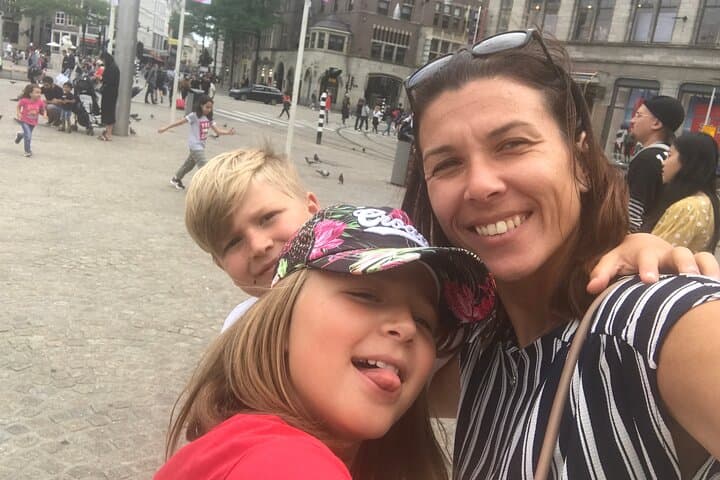
You step off the tram into a square where sandstone facades lean in close and a church bell marks the hour—your phone vibrates, the app has unlocked the first riddle. The city unfolds as a playground: cobbled alleys that remember Flemish merchants, wide boulevards planted with plane trees, and market stalls that boldly call out bargains.
You step off the tram into a square where sandstone facades lean in close and a church bell marks the hour—your phone vibrates, the app has unlocked the first riddle. The city unfolds as a playground: cobbled alleys that remember Flemish merchants, wide boulevards planted with plane trees, and market stalls that boldly call out bargains.
Lille sits on the cultural seam between France and Flanders. Once a fortified medieval hub and later an industrial center, its streets carry layers of brickwork, wrought-iron details, and later 19th-century town planning. The scavenger-hunt format highlights civic highlights—Vieille Bourse, ornate town hall, and quieter courtyards—while prompting small acts of observation that reveal civic life, local crafts, and market culture.
Geology here is gentle: low-lying plains and reclaimed marshland shaped markets and transport routes rather than dramatic peaks. That makes Lille compact and eminently walkable; the game stitches together plazas, monuments, and parks into a 2–3 hour route that you control.
Practical guidance: bring a fully charged smartphone and a compact power bank, wear comfortable shoes for cobbles and short climbs of staircases, and leave room in your schedule to stop for coffee or a market detour. Start in the morning to avoid weekend crowds, or schedule an evening route to see illuminated facades. The experience is accessible—wheelchair routes are listed—and scalable for groups. Treat clues as invitations to look closer at plaque dates, architectural details, and street names: that’s where Lille’s stories live.