THE ADVENTURE COLLECTIVE® · Independent discovery and booking for outdoor travel

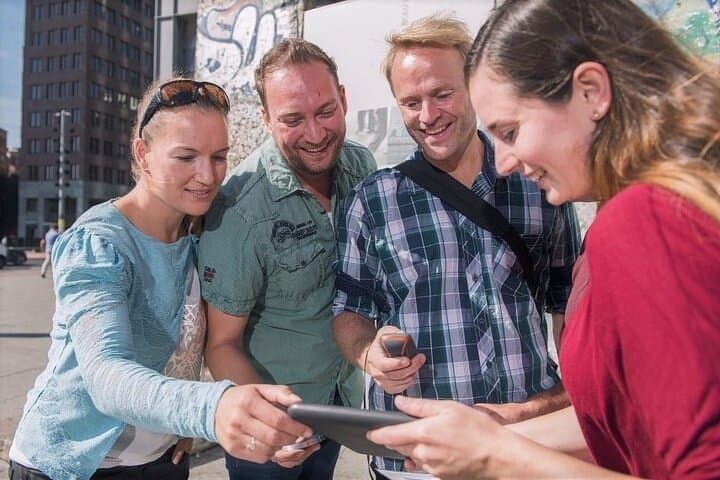
Turn Heerenveen into a playground with a self-guided e-scavenger hunt that threads through Thialf, museums and canal streets. Use your phone to solve clues at your own pace—ideal for families and small groups.
Turn Heerenveen into a playground with a self-guided e-scavenger hunt that threads through Thialf, museums and canal streets. Use your phone to solve clues at your own pace—ideal for families and small groups.
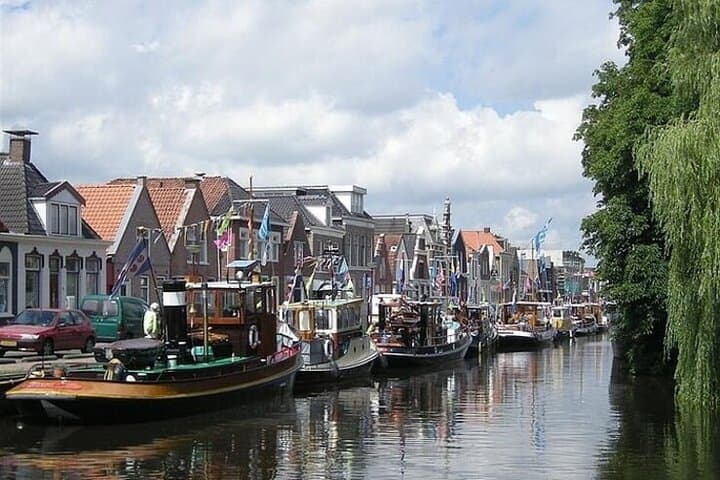
You tap the app and the cobbled square answers with soft footsteps and the distant hum of skates from Thialf. Heerenveen opens like a local map: canals nudge streets, brick facades lean toward market squares, and a stadium and museums keep one eye on sport and the other on art.
Verified experiences and guided adventures in the surrounding area.
Operated by Qula · Heerenveen, Friesland
You tap the app and the cobbled square answers with soft footsteps and the distant hum of skates from Thialf. Heerenveen opens like a local map: canals nudge streets, brick facades lean toward market squares, and a stadium and museums keep one eye on sport and the other on art.
Heerenveen grew from peat-cutting and trade in the 17th century and later gained international renown for speed skating; Thialf helped shape a town identity tied to sport. Geologically the region is low-lying Frisian clay and reclaimed peatland—canals and ditches still mark the engineered landscape. Culturally you’ll notice Frisian place names and a relaxed café rhythm, with Oranjewoud’s former estates reminding visitors of the area’s aristocratic past.
The self-guided city game uses GPS to lead teams (max six) past Museum Belvédère, Museum Heerenveen, the Abe Lenstra stadium, Crackstate and Heilige Geestkerk, with diversion options into Oranjewoud. Expect a mix of short walking segments, plaza puzzles and photo-search tasks that reward attention rather than speed.
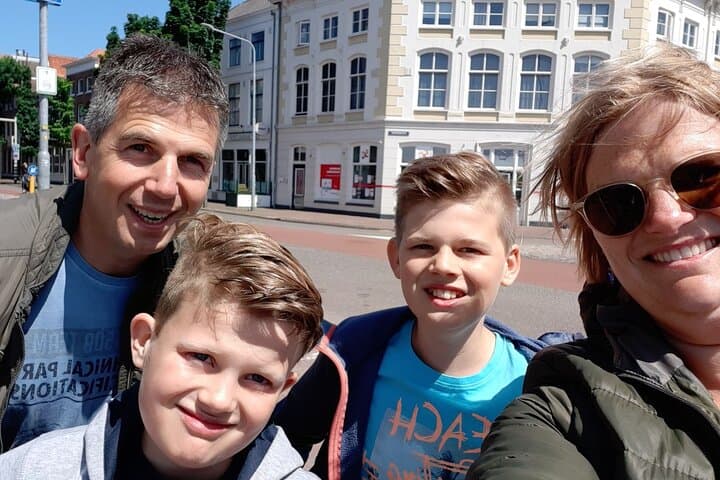
Practically: the tour is flexible (about 2–4 hours), wheelchair- and stroller-friendly, and runs anytime after booking via a mobile app. Bring a charged smartphone and a power bank, plan for changeable Dutch weather, and set off in daylight for best sightlines. For groups, staggered starts keep streets calm; for families, the game’s questions are pitched to be accessible and fun without rigid timing.
This is an urban stroll with a playful edge—history, sport, and local character handed to you in timed clues and GPS nudges.
easy.
2–4 hours.
Suitable for all fitness levels; requires only light walking and standing for short periods
You’ll receive instructions and a login for the free city game app after booking; follow the link to activate the tour on your smartphone.
Each booking is for a team of up to six players—larger groups should book multiple teams to play simultaneously or sequentially.
Yes — the route is described as wheelchair- and stroller-accessible, following paved streets and accessible surfaces at the points of interest.
Yes, it’s self-guided and available anytime after booking; pick daylight hours for easier reading of plaques and safer navigation.
Heerenveen developed around 17th-century peat trade and later became a national center for speed skating—Thialf anchors that sporting culture today.
Respect canal ecosystems by keeping to paths and avoiding feeding wildlife; small urban choices help protect waterways and birdlife.
Qula operates guided outdoor trips and adventures with an emphasis on safety, stewardship, and memorable experiences.

You tap the app and the cobbled square answers with soft footsteps and the distant hum of skates from Thialf. Heerenveen opens like a local map: canals nudge streets, brick facades lean toward market squares, and a stadium and museums keep one eye on sport and the other on art.
You tap the app and the cobbled square answers with soft footsteps and the distant hum of skates from Thialf. Heerenveen opens like a local map: canals nudge streets, brick facades lean toward market squares, and a stadium and museums keep one eye on sport and the other on art.
Heerenveen grew from peat-cutting and trade in the 17th century and later gained international renown for speed skating; Thialf helped shape a town identity tied to sport. Geologically the region is low-lying Frisian clay and reclaimed peatland—canals and ditches still mark the engineered landscape. Culturally you’ll notice Frisian place names and a relaxed café rhythm, with Oranjewoud’s former estates reminding visitors of the area’s aristocratic past.
The self-guided city game uses GPS to lead teams (max six) past Museum Belvédère, Museum Heerenveen, the Abe Lenstra stadium, Crackstate and Heilige Geestkerk, with diversion options into Oranjewoud. Expect a mix of short walking segments, plaza puzzles and photo-search tasks that reward attention rather than speed.
Practically: the tour is flexible (about 2–4 hours), wheelchair- and stroller-friendly, and runs anytime after booking via a mobile app. Bring a charged smartphone and a power bank, plan for changeable Dutch weather, and set off in daylight for best sightlines. For groups, staggered starts keep streets calm; for families, the game’s questions are pitched to be accessible and fun without rigid timing.
This is an urban stroll with a playful edge—history, sport, and local character handed to you in timed clues and GPS nudges.