THE ADVENTURE COLLECTIVE® · Independent discovery and booking for outdoor travel

Use your phone to turn Ghent’s medieval streets into a playable map. This self-guided e-scavenger hunt mixes history, puzzles and GPS navigation for 2–4 hours of on-foot exploration through the city’s top squares and hidden alleys.
Use your phone to turn Ghent’s medieval streets into a playable map. This self-guided e-scavenger hunt mixes history, puzzles and GPS navigation for 2–4 hours of on-foot exploration through the city’s top squares and hidden alleys.
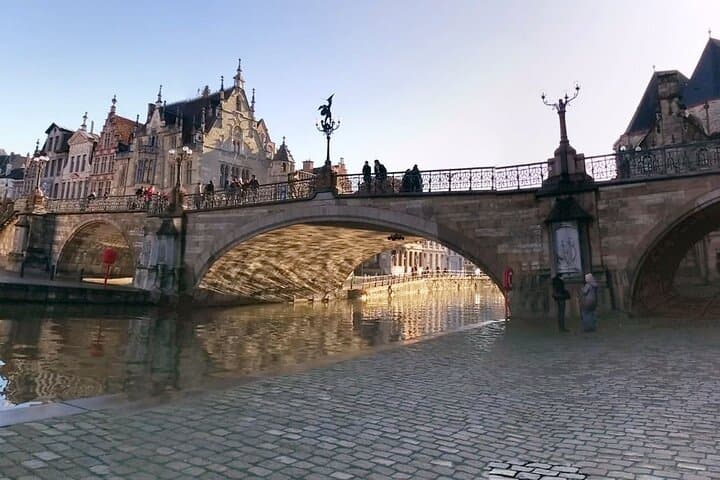
Cobblestones click underfoot as the app pings: your next clue waits around the corner. In Ghent, a compact medieval center unwraps itself block by block — turrets and gables, rivers that seem to dare you to follow them, and market squares echoing centuries of trade. This self-guided e-scavenger hunt uses GPS and gamified prompts to steer small teams through the city’s landmarks at their own tempo.
Verified experiences and guided adventures in the surrounding area.
Operated by Qula · Ghent, East Flanders
Cobblestones click underfoot as the app pings: your next clue waits around the corner. In Ghent, a compact medieval center unwraps itself block by block — turrets and gables, rivers that seem to dare you to follow them, and market squares echoing centuries of trade. This self-guided e-scavenger hunt uses GPS and gamified prompts to steer small teams through the city’s landmarks at their own tempo.
The route threads the Vrijdagmarkt, Saint Bavo’s Cathedral and the Gravensteen, each stop steeped in Flemish civic history: guilds, grain markets and medieval defenses. Geology here is soft river plain; the Leie shaped the old port and helped Ghent grow into an industrial and cultural hub. Local life is visible in terrace cafés and the Patershol’s narrow lanes — the city’s personality is equal parts scholarly and mischievous.
Practically, this is a walking, smartphone-driven experience: expect 2–4 hours of on-foot exploration, frequent stops for puzzles and photo tasks, and the freedom to pause. The app provides instructions after booking; groups of up to six work best. Wear supportive shoes, keep a power bank handy, and schedule the tour for morning or late afternoon to avoid peak crowds.
For culture-seekers and families alike, the e-scavenger hunt balances history, playful competition and independent pacing — a low-impact way to deepen a visit without a rigid itinerary.
easy.
2–4 hours.
Basic walking fitness; able to stand and walk repeatedly on paved and cobbled surfaces for a few hours.
After booking you receive instructions and a login for the app; open the app, enter your booking code and follow the on-screen steps to begin wherever you choose.
Yes — the core route uses central squares and paved streets; check specific side-street accessibility in the app and plan a slightly longer route if avoiding steps.
The trail is designed for teams up to six people per booking; larger events can be coordinated by booking multiple teams and running them concurrently.
The tour is self-paced and can be paused; for refunds cancel at least 24 hours before the start per the booking policy—check weather and dress accordingly.
Ghent grew from a medieval river port into a major textile and industrial center; many civic buildings reflect its guild-based prosperity from the Middle Ages onward.
The city encourages low-impact tourism by promoting walking and cycling; visitors are asked to respect historic sites and avoid littering along the riverbanks.
Qula operates guided outdoor trips and adventures with an emphasis on safety, stewardship, and memorable experiences.


Cobblestones click underfoot as the app pings: your next clue waits around the corner. In Ghent, a compact medieval center unwraps itself block by block — turrets and gables, rivers that seem to dare you to follow them, and market squares echoing centuries of trade. This self-guided e-scavenger hunt uses GPS and gamified prompts to steer small teams through the city’s landmarks at their own tempo.
Cobblestones click underfoot as the app pings: your next clue waits around the corner. In Ghent, a compact medieval center unwraps itself block by block — turrets and gables, rivers that seem to dare you to follow them, and market squares echoing centuries of trade. This self-guided e-scavenger hunt uses GPS and gamified prompts to steer small teams through the city’s landmarks at their own tempo.
The route threads the Vrijdagmarkt, Saint Bavo’s Cathedral and the Gravensteen, each stop steeped in Flemish civic history: guilds, grain markets and medieval defenses. Geology here is soft river plain; the Leie shaped the old port and helped Ghent grow into an industrial and cultural hub. Local life is visible in terrace cafés and the Patershol’s narrow lanes — the city’s personality is equal parts scholarly and mischievous.
Practically, this is a walking, smartphone-driven experience: expect 2–4 hours of on-foot exploration, frequent stops for puzzles and photo tasks, and the freedom to pause. The app provides instructions after booking; groups of up to six work best. Wear supportive shoes, keep a power bank handy, and schedule the tour for morning or late afternoon to avoid peak crowds.
For culture-seekers and families alike, the e-scavenger hunt balances history, playful competition and independent pacing — a low-impact way to deepen a visit without a rigid itinerary.