THE ADVENTURE COLLECTIVE® · Independent discovery and booking for outdoor travel

Turn Cartagena’s walled streets into an interactive puzzle with a self-guided e-scavenger hunt. Use GPS to explore plazas, churches, and the fortress at your own pace while learning local history and culture.
Turn Cartagena’s walled streets into an interactive puzzle with a self-guided e-scavenger hunt. Use GPS to explore plazas, churches, and the fortress at your own pace while learning local history and culture.
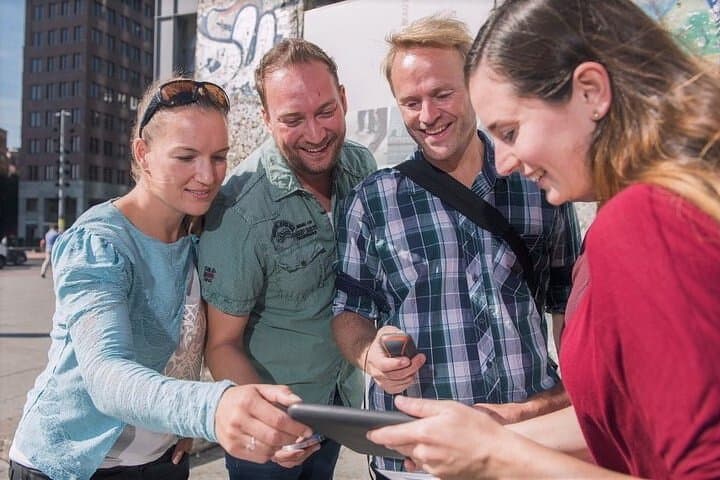
Late afternoon light slides across the cracked plaster of colonial houses as a warm Caribbean wind pushes through Calle de la Iglesia. You tap your phone, follow a blue dot, and the city begins to speak—plazas that once thrummed with mercantile traffic, narrow alleys that still smell of frying arepas, and a fortress ridge that keeps silent watch over the bay.
Verified experiences and guided adventures in the surrounding area.
Operated by Qula · Cartagena, Bolívar
Late afternoon light slides across the cracked plaster of colonial houses as a warm Caribbean wind pushes through Calle de la Iglesia. You tap your phone, follow a blue dot, and the city begins to speak—plazas that once thrummed with mercantile traffic, narrow alleys that still smell of frying arepas, and a fortress ridge that keeps silent watch over the bay.
Cartagena was a linchpin of Spanish trade in the Americas; its walls and the Castillo San Felipe de Barajas were built to repel pirates and rival empires. Geologically, the city sits on a low coastal plain bordering mangrove wetlands and coral outcrops, so expect flat walking with occasional uneven cobbles. Culturally, the Old City and Getsemaní offer living snapshots: colonial churches, Afro-Caribbean rhythms, and vibrant street art marking modern life.
This self-guided experience uses a smartphone app to turn that history into a game—solve clues, answer questions at plazas like Santo Domingo, and navigate by GPS at your own pace. The route is accessible, family-friendly, and flexible: start anytime, pause, or tailor the length to 2–4 hours. Practical notes: bring sun protection and water, keep your phone charged for GPS, and pick early morning or late afternoon to avoid midday heat and crowds.
Beyond the landmarks, listen for shouting vendors, smell the sea-wet breeze, and let the city’s layers reveal themselves between the game’s prompts. It’s low-impact, social, and a hands-on way to learn Cartagena’s past while walking the streets that shaped it.
easy.
2–4 hours.
Suitable for all fitness levels—mostly flat walking on cobbles; moderate stamina helps for longer routes
The app estimates 2–4 hours depending on how many stops you make; you can pause and resume at any time.
Yes—the route is designed with wheelchair-accessible options and most surfaces in the Old City are navigable, though some side streets have uneven cobbles.
You need intermittent data for GPS and content; consider a local SIM or an international plan, or download any offline materials if the app allows it.
Yes—the game is family-friendly and works well for groups; clues can be solved collaboratively and the pace is flexible.
Cartagena was a strategic Spanish port; its walls and Castillo San Felipe de Barajas were built from the 16th century onward to defend the city’s role in transatlantic trade.
The Old City is an actively preserved historic district—avoid touching restored masonry, support local conservancies, and reduce single-use plastics to protect coastal and urban ecosystems.
Qula operates guided outdoor trips and adventures with an emphasis on safety, stewardship, and memorable experiences.

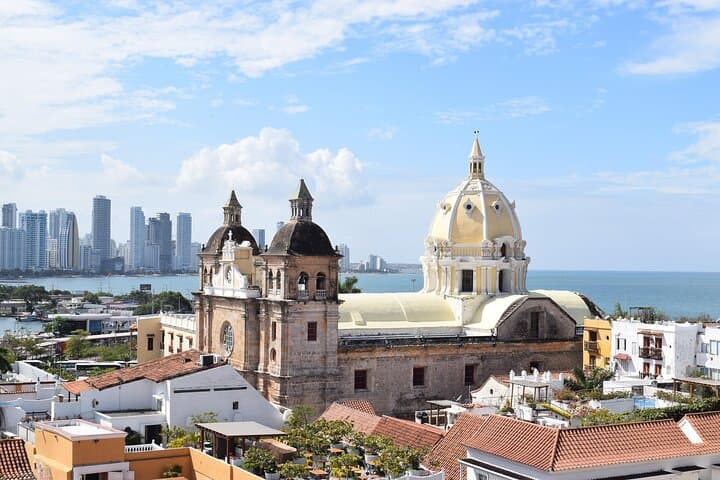
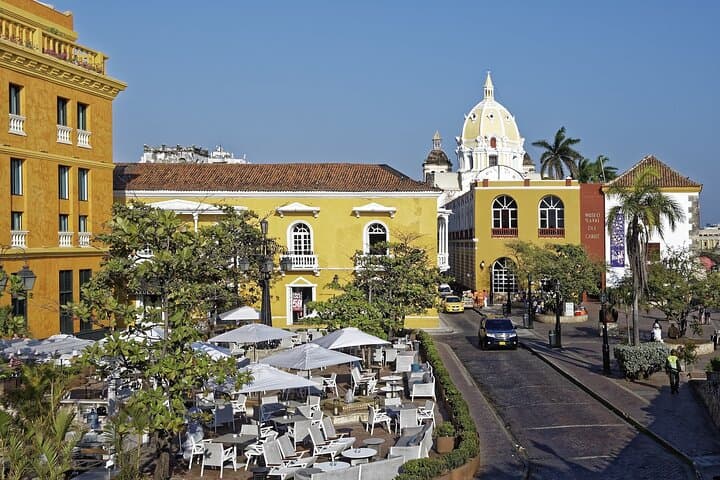
Late afternoon light slides across the cracked plaster of colonial houses as a warm Caribbean wind pushes through Calle de la Iglesia. You tap your phone, follow a blue dot, and the city begins to speak—plazas that once thrummed with mercantile traffic, narrow alleys that still smell of frying arepas, and a fortress ridge that keeps silent watch over the bay.
Late afternoon light slides across the cracked plaster of colonial houses as a warm Caribbean wind pushes through Calle de la Iglesia. You tap your phone, follow a blue dot, and the city begins to speak—plazas that once thrummed with mercantile traffic, narrow alleys that still smell of frying arepas, and a fortress ridge that keeps silent watch over the bay.
Cartagena was a linchpin of Spanish trade in the Americas; its walls and the Castillo San Felipe de Barajas were built to repel pirates and rival empires. Geologically, the city sits on a low coastal plain bordering mangrove wetlands and coral outcrops, so expect flat walking with occasional uneven cobbles. Culturally, the Old City and Getsemaní offer living snapshots: colonial churches, Afro-Caribbean rhythms, and vibrant street art marking modern life.
This self-guided experience uses a smartphone app to turn that history into a game—solve clues, answer questions at plazas like Santo Domingo, and navigate by GPS at your own pace. The route is accessible, family-friendly, and flexible: start anytime, pause, or tailor the length to 2–4 hours. Practical notes: bring sun protection and water, keep your phone charged for GPS, and pick early morning or late afternoon to avoid midday heat and crowds.
Beyond the landmarks, listen for shouting vendors, smell the sea-wet breeze, and let the city’s layers reveal themselves between the game’s prompts. It’s low-impact, social, and a hands-on way to learn Cartagena’s past while walking the streets that shaped it.