THE ADVENTURE COLLECTIVE® · Independent discovery and booking for outdoor travel

Turn central Berlin into a playable map on this mobile self-guided e-scavenger hunt. Visit major landmarks like the Brandenburg Gate and Museum Island at your own pace while solving location-based challenges and learning local history.
Turn central Berlin into a playable map on this mobile self-guided e-scavenger hunt. Visit major landmarks like the Brandenburg Gate and Museum Island at your own pace while solving location-based challenges and learning local history.
You tap start and the city shifts into a gameboard: cobblestones lead toward the Brandenburg Gate, the Spree dares you to follow its curve, and the Fernsehturm slices the skyline like a city compass. The e-scavenger hunt threads through Pariser Platz, past the Reichstag’s glass dome, and along Unter den Linden, stopping at squares where history briefly steps forward to be questioned and understood.
Verified experiences and guided adventures in the surrounding area.
Operated by Qula · Berlin, Berlin
You tap start and the city shifts into a gameboard: cobblestones lead toward the Brandenburg Gate, the Spree dares you to follow its curve, and the Fernsehturm slices the skyline like a city compass. The e-scavenger hunt threads through Pariser Platz, past the Reichstag’s glass dome, and along Unter den Linden, stopping at squares where history briefly steps forward to be questioned and understood.
Berlin’s streets are layered—Prussian neoclassicism by day, Cold War markers by afternoon, and contemporary street art that argues for attention. The route touches Museum Island, Checkpoint Charlie and the Holocaust Memorial, offering curated facts and short assignments that make each stop a puzzle and a lesson. Geology is subtle here—the Spree’s floodplain shaped the original settlement; urban redevelopment after WWII reoriented thoroughfares and public space.
Culturally, expect multilingual signage, frequent public-transport connections, and neighborhoods where cafes and markets crowd the sidewalks. The hunt is self-paced (approx. 2–3 hours), mobile-based, and designed for small groups up to six.
Practical guidance: carry a fully charged smartphone and a portable charger, wear comfortable walking shoes, and pick a time outside peak commuter hours to avoid queues at the major squares. Respect memorial sites—assignments pause at solemn places and encourage quiet reflection. The experience is wheelchair- and stroller-accessible on paved routes, and you can start, pause and finish whenever you choose. Use public transport to reach different start points and plan for 2–3 hours with breaks—ideal for families or friends who want a structured, independent way to see central Berlin.
easy.
2–3 hours.
Light walking ability; suitable for most fitness levels
After booking you receive instructions and an access link—open it on your smartphone and follow the on-screen prompts to begin at any time.
Yes; there are no age limits and physical demands are low, though some stops require short walks across busy squares.
Yes. The experience is self-paced—you can pause, come back later, and resume from your last location.
The central route uses paved surfaces and public-transport access points; it is described as wheelchair- and stroller-accessible, though some historic areas may have slopes.
Berlin’s public spaces reflect rapid transformations—from royal boulevards to Cold War divisions—so a single square can hold layers of 19th- and 20th-century history.
Stick to marked paths, carry out trash, and follow signage at memorial sites; Berlin promotes sustainable tourism and many museums and sites are accessible by public transport.
Qula operates guided outdoor trips and adventures with an emphasis on safety, stewardship, and memorable experiences.

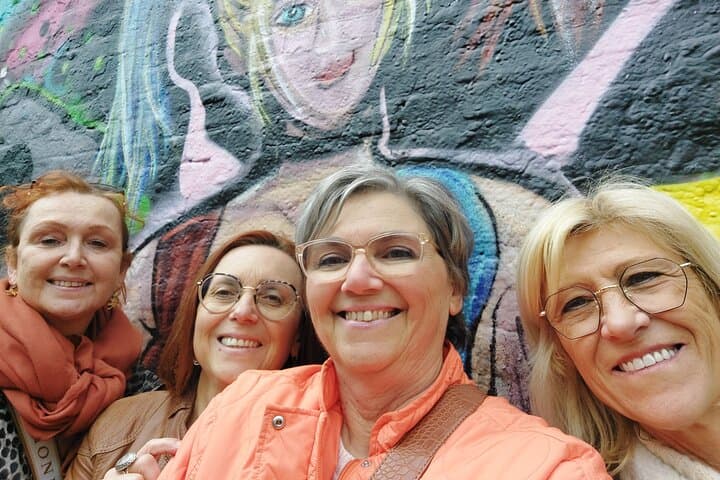
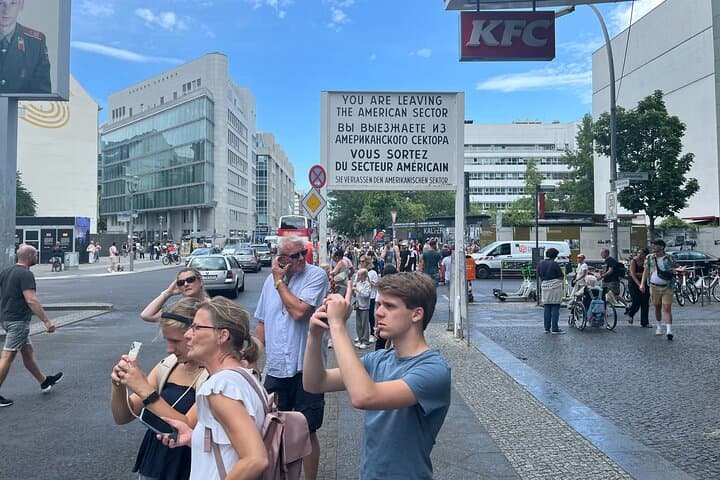
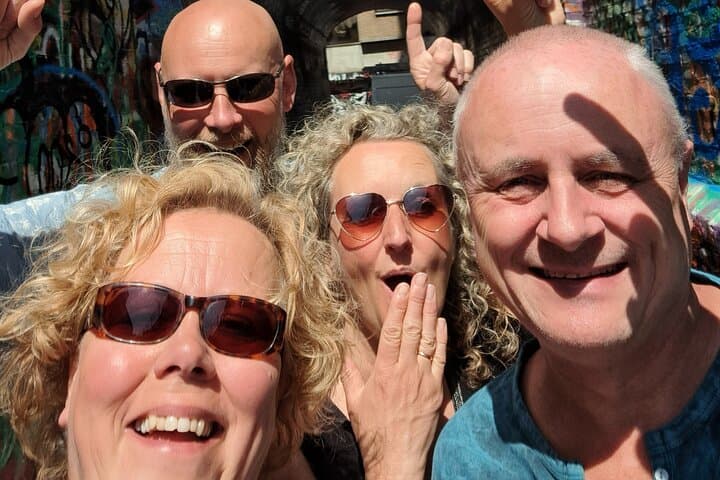
You tap start and the city shifts into a gameboard: cobblestones lead toward the Brandenburg Gate, the Spree dares you to follow its curve, and the Fernsehturm slices the skyline like a city compass. The e-scavenger hunt threads through Pariser Platz, past the Reichstag’s glass dome, and along Unter den Linden, stopping at squares where history briefly steps forward to be questioned and understood.
You tap start and the city shifts into a gameboard: cobblestones lead toward the Brandenburg Gate, the Spree dares you to follow its curve, and the Fernsehturm slices the skyline like a city compass. The e-scavenger hunt threads through Pariser Platz, past the Reichstag’s glass dome, and along Unter den Linden, stopping at squares where history briefly steps forward to be questioned and understood.
Berlin’s streets are layered—Prussian neoclassicism by day, Cold War markers by afternoon, and contemporary street art that argues for attention. The route touches Museum Island, Checkpoint Charlie and the Holocaust Memorial, offering curated facts and short assignments that make each stop a puzzle and a lesson. Geology is subtle here—the Spree’s floodplain shaped the original settlement; urban redevelopment after WWII reoriented thoroughfares and public space.
Culturally, expect multilingual signage, frequent public-transport connections, and neighborhoods where cafes and markets crowd the sidewalks. The hunt is self-paced (approx. 2–3 hours), mobile-based, and designed for small groups up to six.
Practical guidance: carry a fully charged smartphone and a portable charger, wear comfortable walking shoes, and pick a time outside peak commuter hours to avoid queues at the major squares. Respect memorial sites—assignments pause at solemn places and encourage quiet reflection. The experience is wheelchair- and stroller-accessible on paved routes, and you can start, pause and finish whenever you choose. Use public transport to reach different start points and plan for 2–3 hours with breaks—ideal for families or friends who want a structured, independent way to see central Berlin.