THE ADVENTURE COLLECTIVE® · Independent discovery and booking for outdoor travel

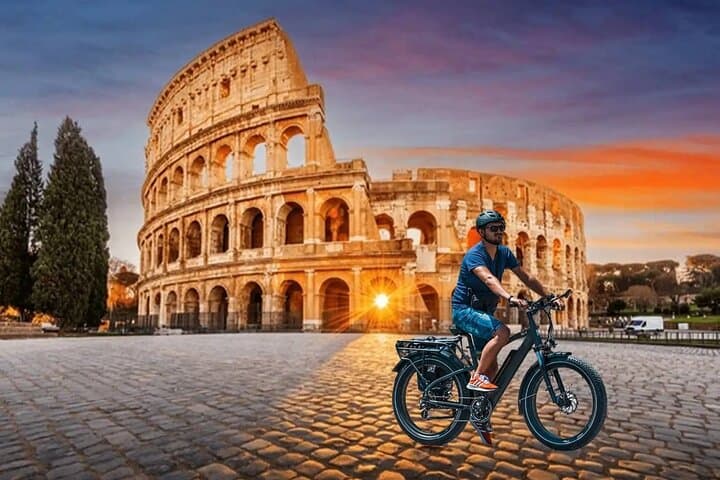
Cover Rome’s must-see monuments in a single self-guided e-bike loop: Colosseum, Pantheon, Trastevere and panoramic terraces. A guided audio map and high-performance e-bike let you move quickly while stopping wherever the city invites you.
Cover Rome’s must-see monuments in a single self-guided e-bike loop: Colosseum, Pantheon, Trastevere and panoramic terraces. A guided audio map and high-performance e-bike let you move quickly while stopping wherever the city invites you.
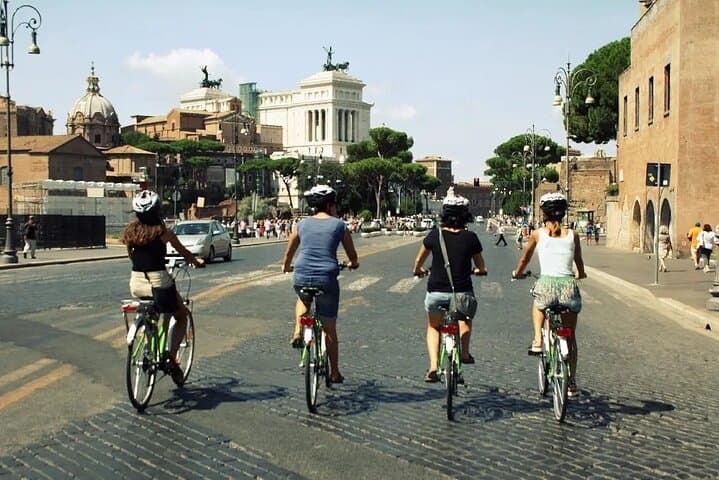
You pull on the helmet, push off into a pulse of cobbles and Vespas, and the city opens like a map that still remembers its own past.
Verified experiences and guided adventures in the surrounding area.
Operated by Sly e-bike · Rome, Lazio
You pull on the helmet, push off into a pulse of cobbles and Vespas, and the city opens like a map that still remembers its own past.
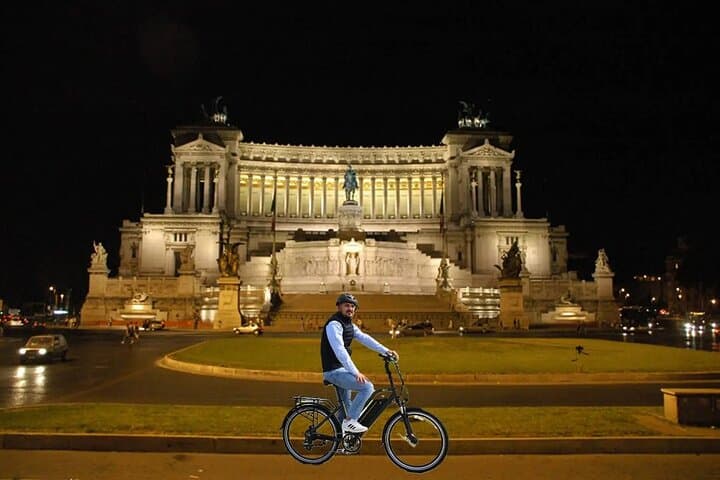
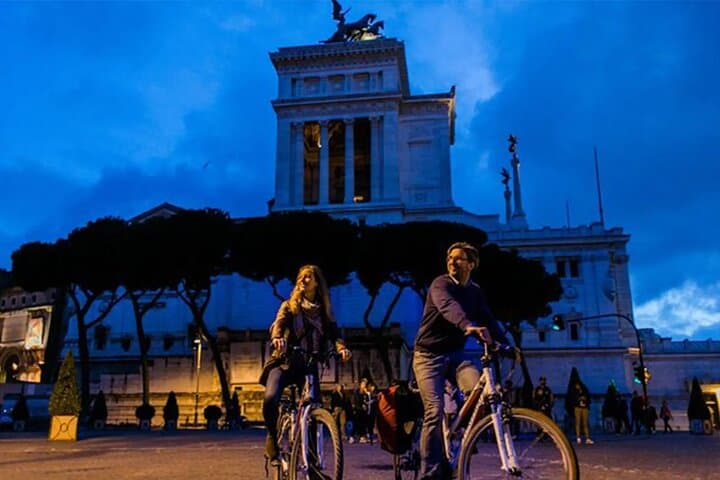
This self-guided e-bike circuit threads from Piazza Venezia past the Colosseum, through the Imperial Forums and the narrow alleys of the historic center, crossing the Tiber toward Trastevere and climbing to the Terrazza del Pincio for a dome-studded skyline. The route puts you within sight of the Pantheon, Trevi Fountain and St. Peter’s—ancient stones that register centuries under a modern hum of scooters and bicycles.
Rome’s layers are geological and cultural: volcanic tuff under the pavement, aqueducts like the Porta Maggiore carrying water and engineering from antiquity, and Renaissance plazas added centuries later. Local rhythms—cafés spilling onto squares, markets at dawn, gardners tending Villa Borghese—give texture to the ride.
Practical guidance is simple: use the supplied navigator and audio guide, charge the e-bike before departure, and plan stops at piazzas rather than trying to sightsee on the move. Expect short climbs (the Pincio and Gianicolo are gentle but noticeable), narrow streets with uneven cobbles, and busy traffic at major intersections. Helmets and headphones are included; bring a small lock for short stops and a charged phone for navigation. Morning or late-afternoon departures cut the heat and the crowds. Ride defensively, yield to pedestrians, and leave the monuments as you found them—this route rewards curiosity and patience with an efficient, lively sweep through Rome’s central history.
easy.
3–4 hours.
Suitable for most fitness levels; riders should be comfortable pedaling and balancing in urban traffic for several hours.
No advanced skills required—basic urban cycling confidence and the ability to handle short stops and starts is sufficient.
Yes, the operator supplies e-bikes with headphones for the audio guide and usually provides helmets; check booking details for sizes.
Many squares have restricted access—dismount and walk through pedestrian areas to respect local rules and avoid fines.
E-bikes typically have enough range for a 4-hour city loop; if you experience battery failure, contact the operator as instructed in your booking materials.
The route crosses ground shaped by millennia—ancient Roman engineering like the Aurelian Walls and Porta Maggiore sits alongside Renaissance and Baroque interventions that remade public space.
E-bikes lower local emissions and noise versus cars; stick to roads, avoid cycling inside protected archaeological areas, and respect signage to minimize impact.
Sly e-bike operates guided outdoor trips and adventures with an emphasis on safety, stewardship, and memorable experiences.
You pull on the helmet, push off into a pulse of cobbles and Vespas, and the city opens like a map that still remembers its own past.
You pull on the helmet, push off into a pulse of cobbles and Vespas, and the city opens like a map that still remembers its own past.
This self-guided e-bike circuit threads from Piazza Venezia past the Colosseum, through the Imperial Forums and the narrow alleys of the historic center, crossing the Tiber toward Trastevere and climbing to the Terrazza del Pincio for a dome-studded skyline. The route puts you within sight of the Pantheon, Trevi Fountain and St. Peter’s—ancient stones that register centuries under a modern hum of scooters and bicycles.
Rome’s layers are geological and cultural: volcanic tuff under the pavement, aqueducts like the Porta Maggiore carrying water and engineering from antiquity, and Renaissance plazas added centuries later. Local rhythms—cafés spilling onto squares, markets at dawn, gardners tending Villa Borghese—give texture to the ride.
Practical guidance is simple: use the supplied navigator and audio guide, charge the e-bike before departure, and plan stops at piazzas rather than trying to sightsee on the move. Expect short climbs (the Pincio and Gianicolo are gentle but noticeable), narrow streets with uneven cobbles, and busy traffic at major intersections. Helmets and headphones are included; bring a small lock for short stops and a charged phone for navigation. Morning or late-afternoon departures cut the heat and the crowds. Ride defensively, yield to pedestrians, and leave the monuments as you found them—this route rewards curiosity and patience with an efficient, lively sweep through Rome’s central history.