THE ADVENTURE COLLECTIVE® · Independent discovery and booking for outdoor travel

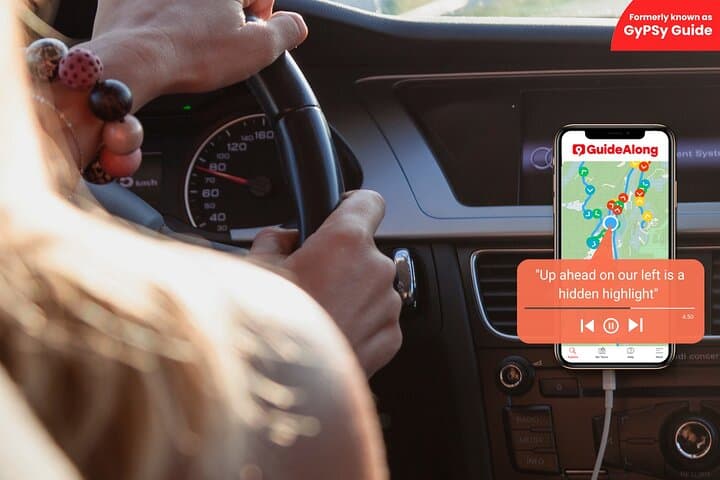
Explore Reykjanes’ volcanic coast and geothermal wonders at your own pace with a GPS-driven audio driving tour. Visit Gunnuhver, Fagradalsfjall lava fields, Reykjanes Lighthouse, and relax at the iconic Blue Lagoon.
Explore Reykjanes’ volcanic coast and geothermal wonders at your own pace with a GPS-driven audio driving tour. Visit Gunnuhver, Fagradalsfjall lava fields, Reykjanes Lighthouse, and relax at the iconic Blue Lagoon.
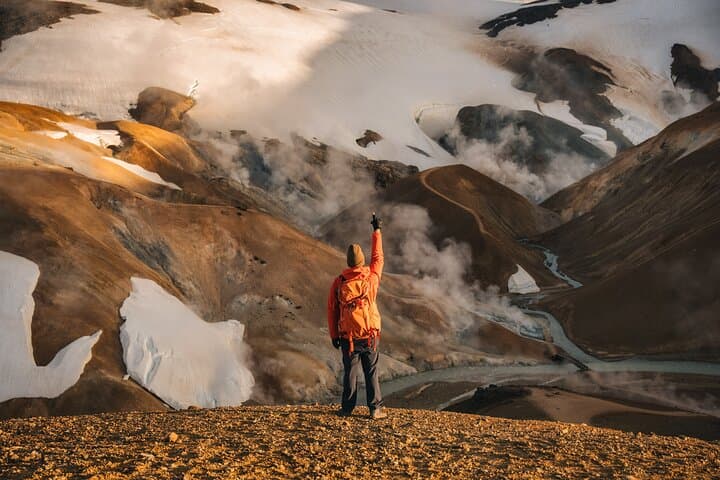
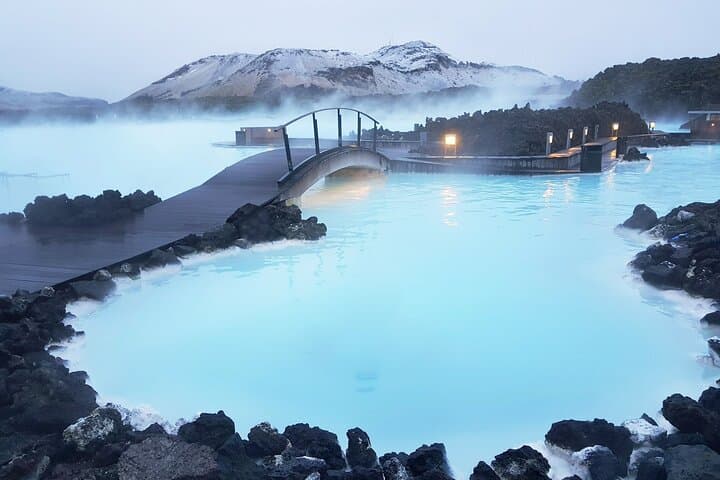
The road opens into a raw horizon: black lava fields cut by ridges of glassy basalt, steam plumes rising like exhalations where the earth still breathes. Drivers move from coastal cliffs to boiling mud pots, past a lighthouse that has watched ships since the 19th century, ending at the milky-blue calm of the Blue Lagoon where geothermal water warms the hands and the air smells faintly of sulfur.
Verified experiences and guided adventures in the surrounding area.
Operated by GuideAlong (GyPSy Guide) · Grindavík, Reykjanes
The road opens into a raw horizon: black lava fields cut by ridges of glassy basalt, steam plumes rising like exhalations where the earth still breathes. Drivers move from coastal cliffs to boiling mud pots, past a lighthouse that has watched ships since the 19th century, ending at the milky-blue calm of the Blue Lagoon where geothermal water warms the hands and the air smells faintly of sulfur.
Reykjanes is young geology — a shifting edge where the North American and Eurasian plates pull apart. Viking sagas and later fishing communities left sparse human marks against a landscape remade by eruptions; the 2021 Fagradalsfjall event is the latest chapter. Cultural life on the peninsula is pragmatic: fish, ferry, and monitor the land. Local names refer to fire, sea, and ghosts — Gunnuhver’s boiling vents are even linked to an old ghost story.
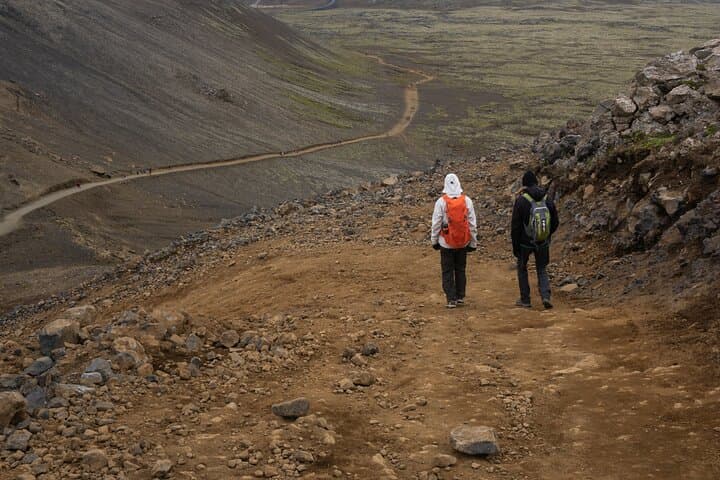
Travelers on a self-guided driving tour should expect short walks at points of interest, boardwalks across fragile geothermal ground, and strong coastal winds. Use the GPS-driven audio to learn geology and lore as you go, but plan logistics: Blue Lagoon admissions must be booked separately, parking varies by site, and weather can turn quickly.
Practical advice: download the tour and maps before you lose signal, keep a charged phone and car adapter, wear sturdy shoes and a windproof layer, and respect all marked paths around fumaroles and cliffs. Time the route for lower light if you want dramatic photos, and leave ample time at the Blue Lagoon to rinse and relax after a day of raw Icelandic contrast.
easy.
2–3 hours (suggested half- to full-day).
Minimal fitness required—short walks on uneven boardwalks and rocky shores; comfortable for most travelers.
Yes—this self-guided audio tour does not include Blue Lagoon entry; book a timed ticket directly with the Blue Lagoon in advance.
Yes—download the tour in the GuideAlong app over Wi‑Fi or cellular before you leave and the GPS-triggered narration will play offline.
Most paved roads on the Reykjanes Peninsula are fine for standard cars, but avoid F‑roads and check weather before driving; some coastal parking areas are gravel.
The core loop with shorter stops can be done in 2–3 hours, but allow a half or full day to explore more sites and to relax at the Blue Lagoon.
The peninsula combines coastal fishing history with active geology; Reykjanes Lighthouse (current tower 1907) and recent 2021 Fagradalsfjall eruptions underline the area’s evolving landscape.
Geothermal features are fragile—stay on designated paths, pack out waste, and avoid introducing pollutants to hot springs; the Blue Lagoon operates as a commercial spa with heavy visitation, so book responsibly.
GuideAlong (GyPSy Guide) operates guided outdoor trips and adventures with an emphasis on safety, stewardship, and memorable experiences.
The road opens into a raw horizon: black lava fields cut by ridges of glassy basalt, steam plumes rising like exhalations where the earth still breathes. Drivers move from coastal cliffs to boiling mud pots, past a lighthouse that has watched ships since the 19th century, ending at the milky-blue calm of the Blue Lagoon where geothermal water warms the hands and the air smells faintly of sulfur.
The road opens into a raw horizon: black lava fields cut by ridges of glassy basalt, steam plumes rising like exhalations where the earth still breathes. Drivers move from coastal cliffs to boiling mud pots, past a lighthouse that has watched ships since the 19th century, ending at the milky-blue calm of the Blue Lagoon where geothermal water warms the hands and the air smells faintly of sulfur.
Reykjanes is young geology — a shifting edge where the North American and Eurasian plates pull apart. Viking sagas and later fishing communities left sparse human marks against a landscape remade by eruptions; the 2021 Fagradalsfjall event is the latest chapter. Cultural life on the peninsula is pragmatic: fish, ferry, and monitor the land. Local names refer to fire, sea, and ghosts — Gunnuhver’s boiling vents are even linked to an old ghost story.
Travelers on a self-guided driving tour should expect short walks at points of interest, boardwalks across fragile geothermal ground, and strong coastal winds. Use the GPS-driven audio to learn geology and lore as you go, but plan logistics: Blue Lagoon admissions must be booked separately, parking varies by site, and weather can turn quickly.
Practical advice: download the tour and maps before you lose signal, keep a charged phone and car adapter, wear sturdy shoes and a windproof layer, and respect all marked paths around fumaroles and cliffs. Time the route for lower light if you want dramatic photos, and leave ample time at the Blue Lagoon to rinse and relax after a day of raw Icelandic contrast.