THE ADVENTURE COLLECTIVE® · Independent discovery and booking for outdoor travel

Discover Dresden at your own pace with a 90-minute self-guided audio tour. Move from the Elbe’s riverbanks through Baroque plazas to the Frauenkirche, with quizzes and multilingual narration to add context.
Discover Dresden at your own pace with a 90-minute self-guided audio tour. Move from the Elbe’s riverbanks through Baroque plazas to the Frauenkirche, with quizzes and multilingual narration to add context.
At the Elbe's edge the city opens like a map—cobbled streets climbing from river terraces, church domes puncturing the skyline, and the hum of cyclists on Brühl’s Terrace. Start here and let the audio guide lead you through 90 minutes of concentrated Dresden: a route that moves from the Residenzschloss’s carved stone to the solemn curve of the Frauenkirche dome and through the Baroque courts of the Zwinger.
Verified experiences and guided adventures in the surrounding area.
Operated by Ciceru · Dresden, Saxony
At the Elbe's edge the city opens like a map—cobbled streets climbing from river terraces, church domes puncturing the skyline, and the hum of cyclists on Brühl’s Terrace. Start here and let the audio guide lead you through 90 minutes of concentrated Dresden: a route that moves from the Residenzschloss’s carved stone to the solemn curve of the Frauenkirche dome and through the Baroque courts of the Zwinger.
Dresden’s story is visible underfoot. The Elbe carved the valley that shaped trade and settlement, while centuries of Saxon court culture left palaces and opera houses. Bombing in 1945 and the painstaking postwar rebuild—most visibly the Frauenkirche’s resurrection—give the city a layered identity: monumental baroque, industrial Neustadt energy, and contemporary creativity in inner courtyards. You’ll pass market squares where merchants once bartered grain, and new synagogue sites that speak to recent cultural recovery.
This tour is practical: no app, multilingual audio and quizzes on your phone, and clear routing so you can pause for coffee or museums. Expect mostly flat pavement with short stair sections at viewpoints; bring a charged phone and comfortable shoes. Morning light softens sandstone façades and late afternoons deliver the best Elbe vistas, so schedule around golden hours if you want photos.
Local etiquette matters—respect memorial sites, buy a pastry or museum ticket to support small operators, and keep noise low in church zones. With straightforward directions and rich context, this self-guided walk is a compact way to read Dresden’s history while moving through its present.
easy.
1.5 hours.
Minimal fitness required—suitable for most travelers who can walk continuously for 60–90 minutes with short breaks.
No app is required—the tour plays via mobile web links or a QR code and works in your phone’s browser in multiple languages.
Much of the route is on paved streets and plazas, but there are short stair sections and cobbles that can be challenging; check specific accessibility needs before booking.
Yes—while the suggested start is the Elbe/Brühl’s Terrace for context, the self-guided format lets you join at any listed waypoint and follow the audio from there.
No—this product provides the self-guided audio and text only; museum or palace admissions are separate.
Dresden grew as the capital of Saxony; its Baroque palaces and churches reflect centuries of court patronage, while post‑WWII reconstruction—especially the Frauenkirche—shaped modern civic identity.
High visitor numbers concentrate on historic sites—stay on paved paths, avoid touching delicate stonework, and support local museums and businesses to help maintain cultural heritage.
Ciceru operates guided outdoor trips and adventures with an emphasis on safety, stewardship, and memorable experiences.

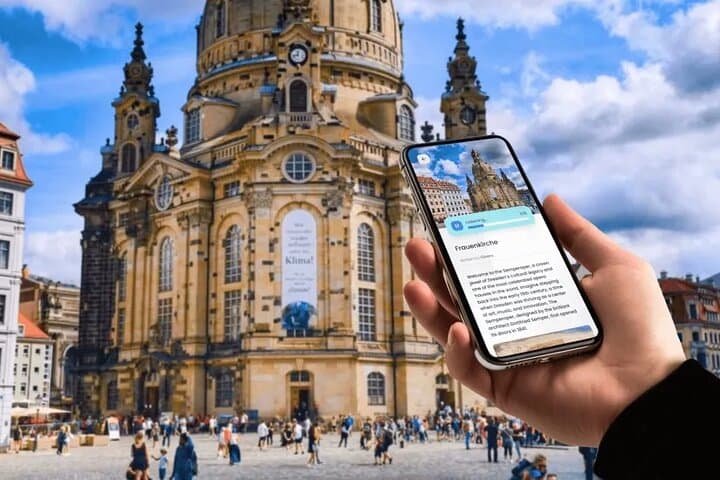

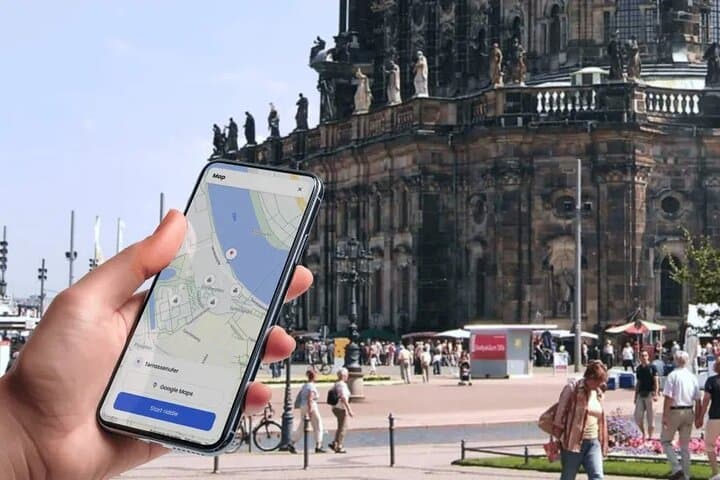
At the Elbe's edge the city opens like a map—cobbled streets climbing from river terraces, church domes puncturing the skyline, and the hum of cyclists on Brühl’s Terrace. Start here and let the audio guide lead you through 90 minutes of concentrated Dresden: a route that moves from the Residenzschloss’s carved stone to the solemn curve of the Frauenkirche dome and through the Baroque courts of the Zwinger.
At the Elbe's edge the city opens like a map—cobbled streets climbing from river terraces, church domes puncturing the skyline, and the hum of cyclists on Brühl’s Terrace. Start here and let the audio guide lead you through 90 minutes of concentrated Dresden: a route that moves from the Residenzschloss’s carved stone to the solemn curve of the Frauenkirche dome and through the Baroque courts of the Zwinger.
Dresden’s story is visible underfoot. The Elbe carved the valley that shaped trade and settlement, while centuries of Saxon court culture left palaces and opera houses. Bombing in 1945 and the painstaking postwar rebuild—most visibly the Frauenkirche’s resurrection—give the city a layered identity: monumental baroque, industrial Neustadt energy, and contemporary creativity in inner courtyards. You’ll pass market squares where merchants once bartered grain, and new synagogue sites that speak to recent cultural recovery.
This tour is practical: no app, multilingual audio and quizzes on your phone, and clear routing so you can pause for coffee or museums. Expect mostly flat pavement with short stair sections at viewpoints; bring a charged phone and comfortable shoes. Morning light softens sandstone façades and late afternoons deliver the best Elbe vistas, so schedule around golden hours if you want photos.
Local etiquette matters—respect memorial sites, buy a pastry or museum ticket to support small operators, and keep noise low in church zones. With straightforward directions and rich context, this self-guided walk is a compact way to read Dresden’s history while moving through its present.