THE ADVENTURE COLLECTIVE® · Independent discovery and booking for outdoor travel

Escape Athens for a self-guided day on Hydra: a car-free island of stone mansions, donkey lanes and clear cliffside waters. This practical guide covers history, walking routes, ferry logistics and what to pack for a smooth island day trip.
Escape Athens for a self-guided day on Hydra: a car-free island of stone mansions, donkey lanes and clear cliffside waters. This practical guide covers history, walking routes, ferry logistics and what to pack for a smooth island day trip.
The ferry slips out of Piraeus and the Argosaronic Gulf opens like a blue challenge, the sea daring you forward as Hydra’s whitewashed houses climb the headland. By the time you step onto the car-free harbor, the city’s pulse is the clip of donkey hooves and the murmur of cafés along the waterfront.
Verified experiences and guided adventures in the surrounding area.
Operated by Private Tours Greece · Hydra, Attica
The ferry slips out of Piraeus and the Argosaronic Gulf opens like a blue challenge, the sea daring you forward as Hydra’s whitewashed houses climb the headland. By the time you step onto the car-free harbor, the city’s pulse is the clip of donkey hooves and the murmur of cafés along the waterfront.
Hydra’s stone mansions and narrow cobbles reflect a shipping-era wealth that shaped its culture; many of the island’s families made fortunes in the 18th and 19th centuries and left fine neoclassical houses and small museums. Geologically the island is granite and limestone, with steep shores and slabs of bedrock that fall quickly into remarkably clear water—perfect for short cliff leaps and snorkeling.
Culture here is slow and tactile: gallery openings, tavernas that open late, and locals loading supplies onto donkeys. Expect steep, irregular stone steps leading from the harbor to upper neighborhoods—short bursts of elevation that reward with bayside vistas and quiet squares.
Practical guidance: ferries run roughly 1–1.5 hours from Piraeus depending on type; the tour’s day length is 7–8 hours including transfers. Carry cash—small shops and some cafés are cash-preferred—wear sturdy shoes for cobbles and steps, and bring a refillable water bottle and sun protection. If you want to swim, pack a towel and water shoes for rocky access points. Respect the island’s working animals—step aside on narrow lanes and avoid sudden noise.
Hydra is compact but layered: plan a relaxed pace, follow footpaths upward for the best views, and leave time to watch the harbor light change before the ferry back to Athens.
easy.
7–8 hours.
Suitable for most fitness levels; expect short, steep stair sections and uneven cobbles—able to walk several miles at a relaxed pace.
Typical crossings run about 1 to 1.5 hours depending on whether you take a conventional ferry or a faster hydrofoil; check schedules and allow time for transfers.
No—Hydra forbids private cars; transport uses donkeys, taxis (small trucks) and walking, so pack light and expect to carry luggage if changing neighborhoods.
Yes—Hydra has clear water and rocky swim spots and small beaches; bring water shoes for rocky entries and watch for slippery ledges.
The waterfront is relatively flat, but most streets have steps and uneven cobbles; full accessibility is limited—check specific locations in advance.
Hydra rose to prominence as a maritime power in the 18th–19th centuries; its captains funded fleets that influenced Greek independence and left many neoclassical mansions.
Hydra enforces building and preservation rules and limits vehicle access to protect its historic fabric; visitors should minimize waste, respect donkey welfare, and avoid damaging coastal vegetation.
Private Tours Greece operates guided outdoor trips and adventures with an emphasis on safety, stewardship, and memorable experiences.
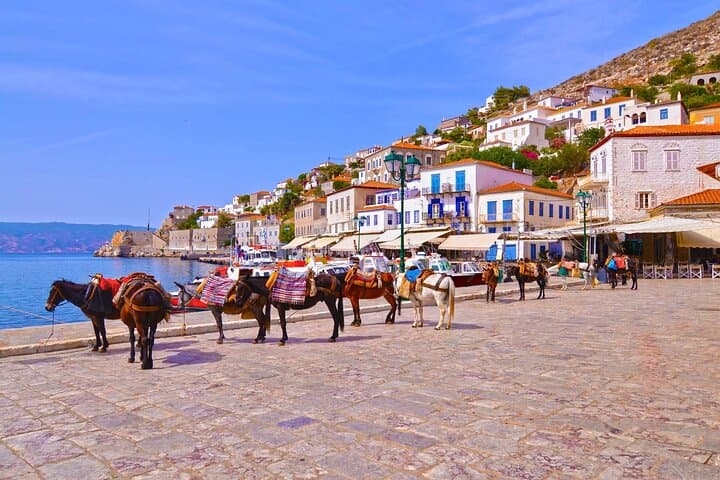
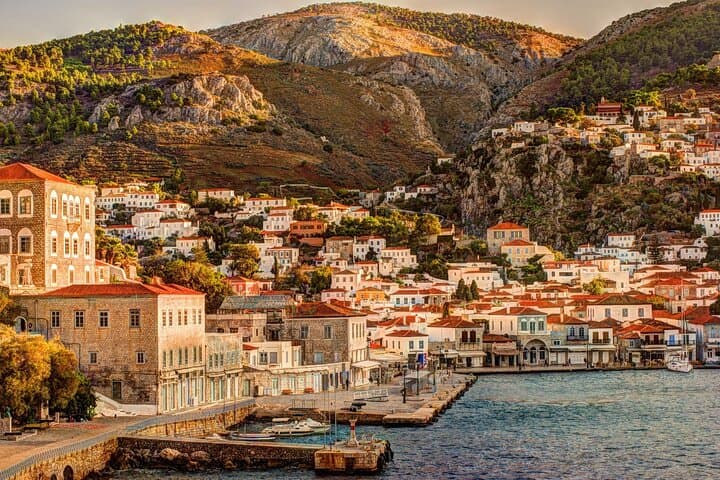
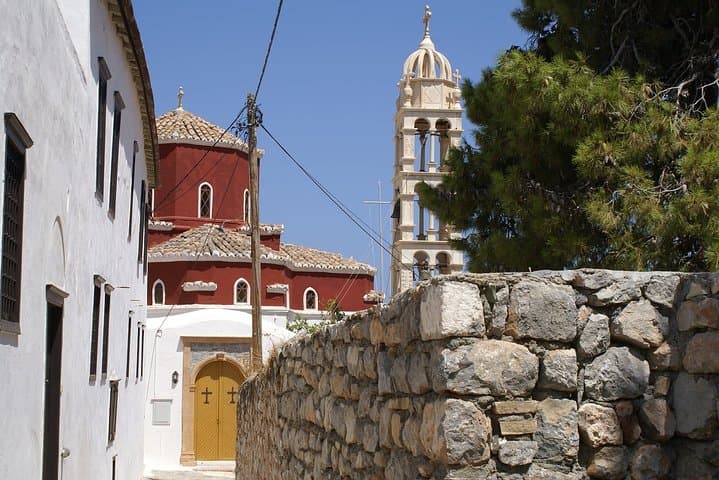
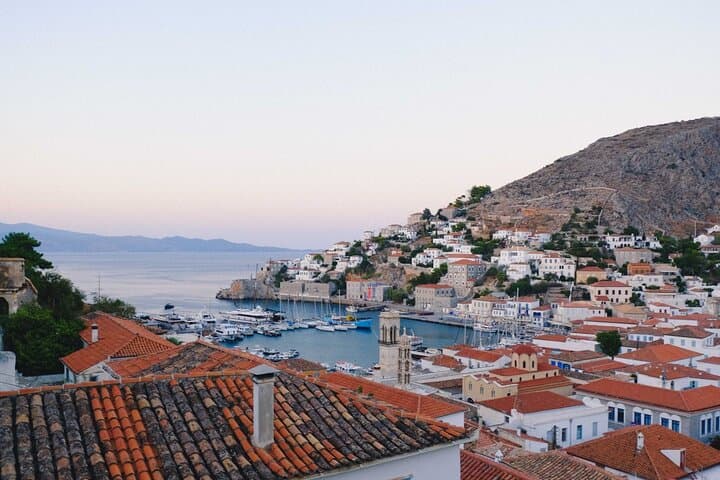
The ferry slips out of Piraeus and the Argosaronic Gulf opens like a blue challenge, the sea daring you forward as Hydra’s whitewashed houses climb the headland. By the time you step onto the car-free harbor, the city’s pulse is the clip of donkey hooves and the murmur of cafés along the waterfront.
The ferry slips out of Piraeus and the Argosaronic Gulf opens like a blue challenge, the sea daring you forward as Hydra’s whitewashed houses climb the headland. By the time you step onto the car-free harbor, the city’s pulse is the clip of donkey hooves and the murmur of cafés along the waterfront.
Hydra’s stone mansions and narrow cobbles reflect a shipping-era wealth that shaped its culture; many of the island’s families made fortunes in the 18th and 19th centuries and left fine neoclassical houses and small museums. Geologically the island is granite and limestone, with steep shores and slabs of bedrock that fall quickly into remarkably clear water—perfect for short cliff leaps and snorkeling.
Culture here is slow and tactile: gallery openings, tavernas that open late, and locals loading supplies onto donkeys. Expect steep, irregular stone steps leading from the harbor to upper neighborhoods—short bursts of elevation that reward with bayside vistas and quiet squares.
Practical guidance: ferries run roughly 1–1.5 hours from Piraeus depending on type; the tour’s day length is 7–8 hours including transfers. Carry cash—small shops and some cafés are cash-preferred—wear sturdy shoes for cobbles and steps, and bring a refillable water bottle and sun protection. If you want to swim, pack a towel and water shoes for rocky access points. Respect the island’s working animals—step aside on narrow lanes and avoid sudden noise.
Hydra is compact but layered: plan a relaxed pace, follow footpaths upward for the best views, and leave time to watch the harbor light change before the ferry back to Athens.