THE ADVENTURE COLLECTIVE® · Independent discovery and booking for outdoor travel

Walk under the Dragon Gate into an audio-led self-guided tour that combines Chinatown history with classic neighborhood bars. Download the VoiceMap tour and follow turn-by-turn directions through alleys, murals, and long-standing drinking holes.
Walk under the Dragon Gate into an audio-led self-guided tour that combines Chinatown history with classic neighborhood bars. Download the VoiceMap tour and follow turn-by-turn directions through alleys, murals, and long-standing drinking holes.
You step under the Dragon Gate and the street changes its rhythm—the clang of cable cars fades and the lanterns lean close, nudging you down Grant Avenue. This self-guided tour moves like a local: compact, sensory, and fast-paced, threading through Ross Alley’s lamp-lit passageways, past the worn steps of Waverly Place, and into small rooms where old wooden bars remember every story told over a pint.
Verified experiences and guided adventures in the surrounding area.
Operated by VoiceMap Audio Tours · San Francisco, California
You step under the Dragon Gate and the street changes its rhythm—the clang of cable cars fades and the lanterns lean close, nudging you down Grant Avenue. This self-guided tour moves like a local: compact, sensory, and fast-paced, threading through Ross Alley’s lamp-lit passageways, past the worn steps of Waverly Place, and into small rooms where old wooden bars remember every story told over a pint.
Chinatown grew from Gold Rush migrants and later became a refuge through exclusionary laws and the Tong Wars; Portsmouth Square and narrow alleys still hold traces of those conflicts and community resilience. The neighborhood’s architecture is a layered urban geology—Victorian frames, tiled shopfronts, and alley cobbles—each facade carrying signage in Cantonese and English. Culture here is public and tactile: murals like the Monkey King, hand-painted shop banners, and bars such as Li Po and Red’s Place where cocktails and camaraderie have local history.
Practically: the route is short (roughly 0.5–1 mile) and takes 40–60 minutes at a steady pace, but plan extra time for stops. Terrain is city pavement with uneven cobbles and a few short stairways in alleys—comfortable walking shoes are recommended. The tour uses the VoiceMap app (download your code and audio before you go); offline maps and turn-by-turn narration make navigation simple. Drinks are optional and not included—budget for orders. Public transit brings you close; avoid peak commute windows if you want quieter alleys. Keep your phone charged, respect private doorways, and let the lanterns lead you through a Chinatown that still speaks in stories and flavors.
easy.
40–60 minutes.
Suitable for most fitness levels; requires short-distance walking and negotiating curbs and a few stairs.
The self-guided route runs about 40–60 minutes depending on pace and time spent in bars or points of interest.
No — drinks and food are not included; the tour notes recommended bars but purchases are on you.
No—download the tour in the VoiceMap app before you start for offline audio, maps, and narration.
Parts of Chinatown include narrow alleys, cobbles and steps; some sections may be difficult for wheelchairs or strollers, though main streets are generally paved.
Chinatown expanded during the Gold Rush and endured exclusionary laws and Tong Wars; Portsmouth Square served as an early civic center and flashpoint in its development.
Support local businesses and avoid littering in narrow alleys; follow posted signs and respect private spaces to help preserve cultural sites.
VoiceMap Audio Tours operates guided outdoor trips and adventures with an emphasis on safety, stewardship, and memorable experiences.

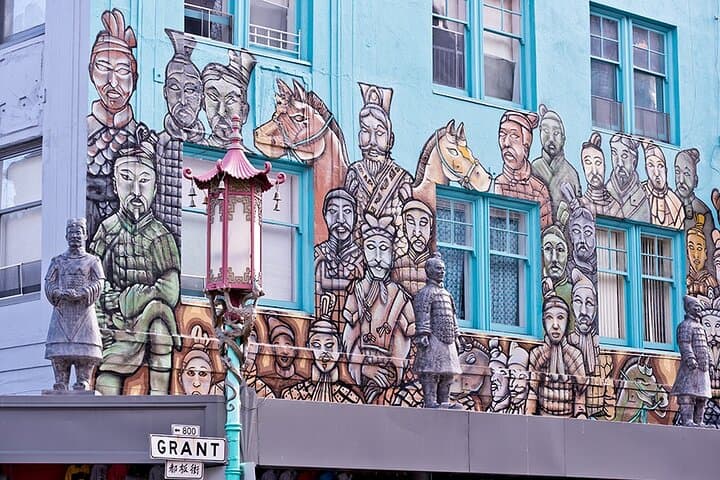
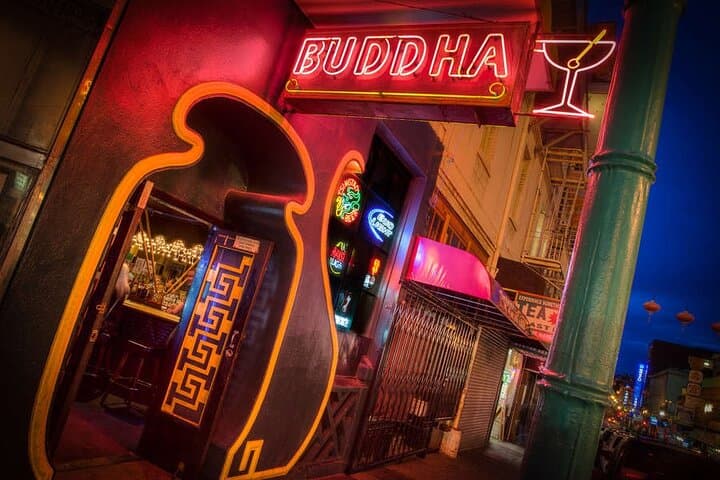

You step under the Dragon Gate and the street changes its rhythm—the clang of cable cars fades and the lanterns lean close, nudging you down Grant Avenue. This self-guided tour moves like a local: compact, sensory, and fast-paced, threading through Ross Alley’s lamp-lit passageways, past the worn steps of Waverly Place, and into small rooms where old wooden bars remember every story told over a pint.
You step under the Dragon Gate and the street changes its rhythm—the clang of cable cars fades and the lanterns lean close, nudging you down Grant Avenue. This self-guided tour moves like a local: compact, sensory, and fast-paced, threading through Ross Alley’s lamp-lit passageways, past the worn steps of Waverly Place, and into small rooms where old wooden bars remember every story told over a pint.
Chinatown grew from Gold Rush migrants and later became a refuge through exclusionary laws and the Tong Wars; Portsmouth Square and narrow alleys still hold traces of those conflicts and community resilience. The neighborhood’s architecture is a layered urban geology—Victorian frames, tiled shopfronts, and alley cobbles—each facade carrying signage in Cantonese and English. Culture here is public and tactile: murals like the Monkey King, hand-painted shop banners, and bars such as Li Po and Red’s Place where cocktails and camaraderie have local history.
Practically: the route is short (roughly 0.5–1 mile) and takes 40–60 minutes at a steady pace, but plan extra time for stops. Terrain is city pavement with uneven cobbles and a few short stairways in alleys—comfortable walking shoes are recommended. The tour uses the VoiceMap app (download your code and audio before you go); offline maps and turn-by-turn narration make navigation simple. Drinks are optional and not included—budget for orders. Public transit brings you close; avoid peak commute windows if you want quieter alleys. Keep your phone charged, respect private doorways, and let the lanterns lead you through a Chinatown that still speaks in stories and flavors.