THE ADVENTURE COLLECTIVE® · Independent discovery and booking for outdoor travel

Walk the Castro at your own pace with a Chronicle-guided audio tour. Explore Harvey Milk Plaza, murals, and queer history on a 60–75 minute route with offline playback via VoiceMap.
Walk the Castro at your own pace with a Chronicle-guided audio tour. Explore Harvey Milk Plaza, murals, and queer history on a 60–75 minute route with offline playback via VoiceMap.
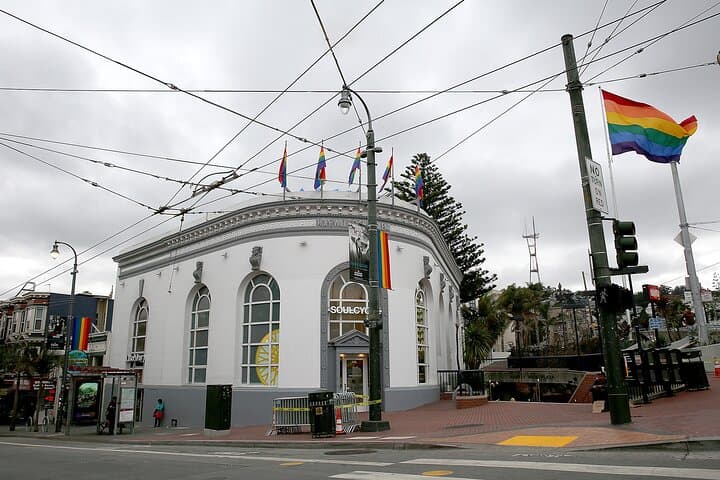
You stand at the corner of Market and Castro, city pavement underfoot and the first notes of a voice recorded by a Chronicle writer in your ear. The street hums—buses, conversations, a distant cable car bell—while color unfolds ahead: a mural here, a bronze plaque there, the marquee of the Castro Theatre like a welcome signal.
Verified experiences and guided adventures in the surrounding area.
Operated by VoiceMap Audio Tours · San Francisco, California
You stand at the corner of Market and Castro, city pavement underfoot and the first notes of a voice recorded by a Chronicle writer in your ear. The street hums—buses, conversations, a distant cable car bell—while color unfolds ahead: a mural here, a bronze plaque there, the marquee of the Castro Theatre like a welcome signal.
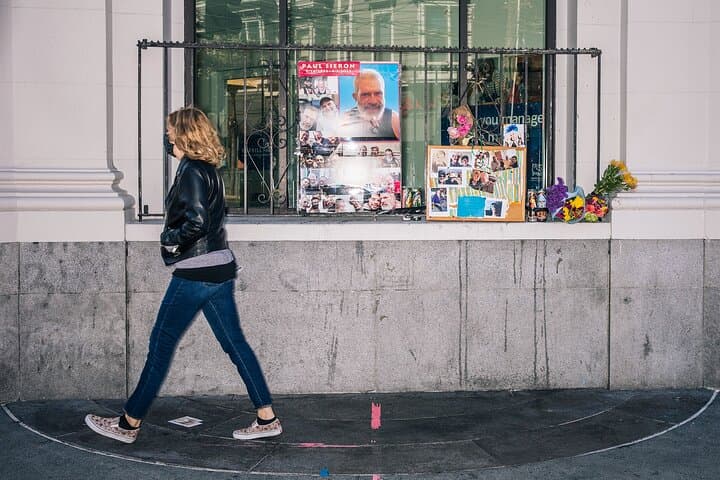
The route threads through the Castro’s 20th-century transformation from a working-class neighborhood to one of the world’s most consequential queer enclaves. The tour highlights physical traces of activism—Harvey Milk’s campaign headquarters, the Rainbow Honor Walk—and cultural signposts such as Twin Peaks Tavern’s glass-front defiance and community murals that narrate eras of resistance and celebration.
Geology and cityscape are subtle here: steep, compacted streets that climb short, urban rises; patchwork sidewalks and the city grid shaped by San Francisco’s hills. Cultural context matters—this is neighborhood storytelling as much as sightseeing, with stops touching on 1970s activism, drag performance history, and recent preservation efforts.
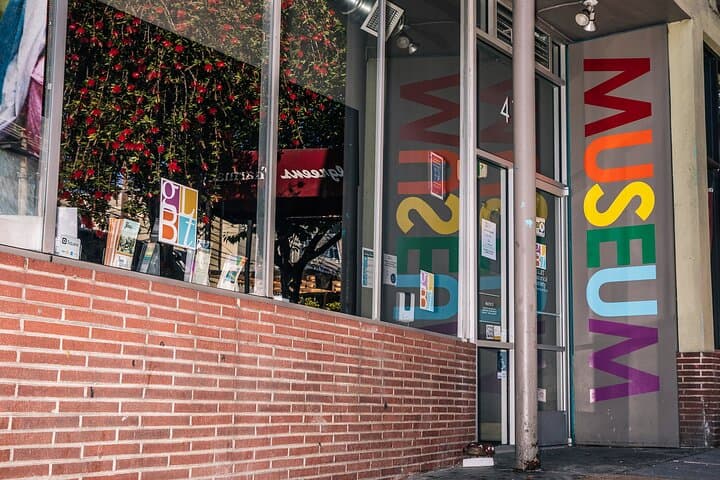
Practical guidance: download the VoiceMap app and redeem your code before you arrive so audio and maps are available offline. Plan 60–75 minutes if you follow the route straight through; allow extra time for museums, cafés, or lingering at plaques. Wear sturdy walking shoes, bring layers (microclimate shifts are common), and carry a fully charged phone and headphones. Visit mid-morning or late afternoon to avoid the busiest tourist windows and to catch softer light for photos. Respect private property, local businesses, and memorial plaques—this walk is both a public route and a living neighborhood.
easy.
60–75 minutes.
Suitable for all fitness levels; involves city sidewalk walking with short inclines and frequent stops
Install VoiceMap, create an account, open Tour Codes from the menu, enter your eight-character code, and download the tour—best done before you arrive.
Yes—this self-guided audio tour can be started, paused, and replayed at any point, and it will resume where you left off.
Most streets are standard city sidewalks with curb cuts, but slopes and narrow sections occur; check the app route maps and plan a path with fewer inclines if needed.
All sales are final for this booking; check the operator’s policy before purchasing and download the tour to access it offline at any time.
The Castro rose to global prominence in the 1970s as a center of LGBTQ political organizing; Harvey Milk’s campaigns and the neighborhood’s cultural venues shaped later national movements.
Respect memorial plaques and murals, minimize noise and litter, and support local queer-run businesses and museums to help preserve the neighborhood’s cultural fabric.
VoiceMap Audio Tours operates guided outdoor trips and adventures with an emphasis on safety, stewardship, and memorable experiences.

You stand at the corner of Market and Castro, city pavement underfoot and the first notes of a voice recorded by a Chronicle writer in your ear. The street hums—buses, conversations, a distant cable car bell—while color unfolds ahead: a mural here, a bronze plaque there, the marquee of the Castro Theatre like a welcome signal.
You stand at the corner of Market and Castro, city pavement underfoot and the first notes of a voice recorded by a Chronicle writer in your ear. The street hums—buses, conversations, a distant cable car bell—while color unfolds ahead: a mural here, a bronze plaque there, the marquee of the Castro Theatre like a welcome signal.
The route threads through the Castro’s 20th-century transformation from a working-class neighborhood to one of the world’s most consequential queer enclaves. The tour highlights physical traces of activism—Harvey Milk’s campaign headquarters, the Rainbow Honor Walk—and cultural signposts such as Twin Peaks Tavern’s glass-front defiance and community murals that narrate eras of resistance and celebration.
Geology and cityscape are subtle here: steep, compacted streets that climb short, urban rises; patchwork sidewalks and the city grid shaped by San Francisco’s hills. Cultural context matters—this is neighborhood storytelling as much as sightseeing, with stops touching on 1970s activism, drag performance history, and recent preservation efforts.
Practical guidance: download the VoiceMap app and redeem your code before you arrive so audio and maps are available offline. Plan 60–75 minutes if you follow the route straight through; allow extra time for museums, cafés, or lingering at plaques. Wear sturdy walking shoes, bring layers (microclimate shifts are common), and carry a fully charged phone and headphones. Visit mid-morning or late afternoon to avoid the busiest tourist windows and to catch softer light for photos. Respect private property, local businesses, and memorial plaques—this walk is both a public route and a living neighborhood.