THE ADVENTURE COLLECTIVE® · Independent discovery and booking for outdoor travel

Cycle 33 km from Lucca to the Leaning Tower of Pisa along the Serchio river and country roads. This self-guided route mixes easy terrain, thermal-town stops, and a quick train option for the return.
Cycle 33 km from Lucca to the Leaning Tower of Pisa along the Serchio river and country roads. This self-guided route mixes easy terrain, thermal-town stops, and a quick train option for the return.
You push off from Lucca’s wide Renaissance walls with the morning light slicing between cypress and chestnut trees, gears humming as the town falls behind. The route follows the Serchio river valley, rolling across farm fields and along quiet secondary roads that sweep around the low Monti Pisani; the air smells of cut grass and espresso from village bars.
Verified experiences and guided adventures in the surrounding area.
Operated by TOURIST CENTER LUCCA SRL · Lucca, Tuscany
You push off from Lucca’s wide Renaissance walls with the morning light slicing between cypress and chestnut trees, gears humming as the town falls behind. The route follows the Serchio river valley, rolling across farm fields and along quiet secondary roads that sweep around the low Monti Pisani; the air smells of cut grass and espresso from village bars.
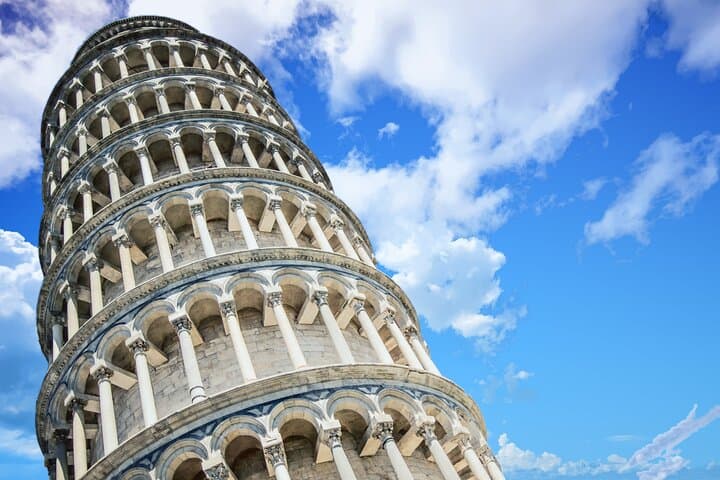
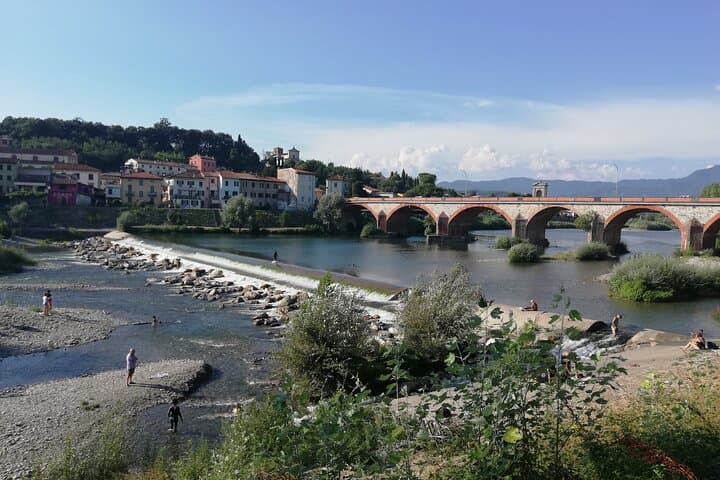
This corridor between Lucca and Pisa is layered history: fortified medieval Lucca, thermal baths at San Giuliano Terme, and the marble monuments of Pisa’s Piazza dei Miracoli born of a powerful maritime republic. Geologically the plain is alluvial—soft soils and slow river bends—so expect flat stretches interrupted by short climbs into the foothills. Local culture favors easy pauses: gelato counters, deli shops, and the piazza cafés where cyclists regroup.
Practical guidance is straightforward. The one-way distance is about 33 km over mixed dirt and asphalt; elevation gain is modest, suitable for trekking bikes or e-bikes. Average riders take 2–4 hours including a 15–30 minute stop at San Giuliano Terme and photos at the Leaning Tower. Bikes come with phone holders and a GPS-guided app; repair kits and locks are included. If you don’t want to pedal back, trains run from Pisa to Lucca in roughly 22–25 minutes and bikes fit in storage wagons. Bring plenty of water, a puncture kit, layered clothing, and time your ride to avoid afternoon heat. The route is family-friendly but requires basic bike-handling skills and attention to local traffic when passing small towns.
moderate.
2–4 hours.
Suitable for riders with regular aerobic fitness and comfort on mixed-surface roads; families with children used to cycling can manage.
The route is about 33 km one way, typically 2–4 hours including stops depending on pace.
Yes—the return train takes about 22–25 minutes and has storage space for bikes; purchase tickets in advance if possible.
Yes, e-bikes are available for riders over approximately 155 cm and 14 years old; specify at booking.
The tour is family-friendly on easy sections, but children should be comfortable riding mixed dirt and asphalt distances and traffic through small towns.
Lucca’s intact Renaissance walls date to defensive urban planning of the 16th century, while Pisa’s cathedral complex reflects its medieval wealth as a maritime republic.
Stay on marked roads and respect private farmland; pack out all trash and avoid disturbing riverbanks to protect nesting birds and riparian habitat.
TOURIST CENTER LUCCA SRL operates guided outdoor trips and adventures with an emphasis on safety, stewardship, and memorable experiences.
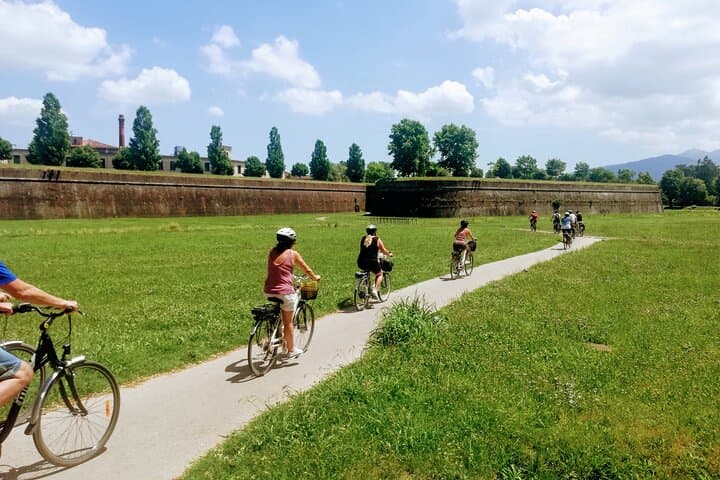
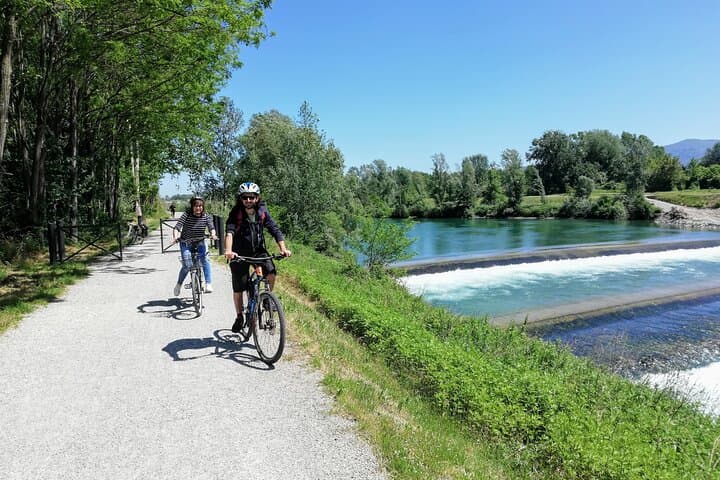
You push off from Lucca’s wide Renaissance walls with the morning light slicing between cypress and chestnut trees, gears humming as the town falls behind. The route follows the Serchio river valley, rolling across farm fields and along quiet secondary roads that sweep around the low Monti Pisani; the air smells of cut grass and espresso from village bars.
You push off from Lucca’s wide Renaissance walls with the morning light slicing between cypress and chestnut trees, gears humming as the town falls behind. The route follows the Serchio river valley, rolling across farm fields and along quiet secondary roads that sweep around the low Monti Pisani; the air smells of cut grass and espresso from village bars.
This corridor between Lucca and Pisa is layered history: fortified medieval Lucca, thermal baths at San Giuliano Terme, and the marble monuments of Pisa’s Piazza dei Miracoli born of a powerful maritime republic. Geologically the plain is alluvial—soft soils and slow river bends—so expect flat stretches interrupted by short climbs into the foothills. Local culture favors easy pauses: gelato counters, deli shops, and the piazza cafés where cyclists regroup.
Practical guidance is straightforward. The one-way distance is about 33 km over mixed dirt and asphalt; elevation gain is modest, suitable for trekking bikes or e-bikes. Average riders take 2–4 hours including a 15–30 minute stop at San Giuliano Terme and photos at the Leaning Tower. Bikes come with phone holders and a GPS-guided app; repair kits and locks are included. If you don’t want to pedal back, trains run from Pisa to Lucca in roughly 22–25 minutes and bikes fit in storage wagons. Bring plenty of water, a puncture kit, layered clothing, and time your ride to avoid afternoon heat. The route is family-friendly but requires basic bike-handling skills and attention to local traffic when passing small towns.