THE ADVENTURE COLLECTIVE® · Independent discovery and booking for outdoor travel

Cycle from Seville through olive groves, pine corridors and the marshes of Doñana on a two-day self-guided tour that pairs Roman ruins with world-class wetlands. Ideal for moderately fit riders who want wildlife, local culture and quiet country roads.
Cycle from Seville through olive groves, pine corridors and the marshes of Doñana on a two-day self-guided tour that pairs Roman ruins with world-class wetlands. Ideal for moderately fit riders who want wildlife, local culture and quiet country roads.
You push off from Triana before dawn, the Guadalquivir pulling your line of travel westward like a patient guide. Roads move from cobbled neighborhood corners into quiet country lanes that thread olive groves, stretch into pine corridors and finally open onto the flat mirror of the Doñana marshes. Wind and water set a steady tempo; rice paddies and marsh channels dare you to slow and watch.
Verified experiences and guided adventures in the surrounding area.
Operated by Spain Cycling Tours · Seville, Andalucía
You push off from Triana before dawn, the Guadalquivir pulling your line of travel westward like a patient guide. Roads move from cobbled neighborhood corners into quiet country lanes that thread olive groves, stretch into pine corridors and finally open onto the flat mirror of the Doñana marshes. Wind and water set a steady tempo; rice paddies and marsh channels dare you to slow and watch.
This two-day, self-guided route threads history and habitat. The Roman city of Itálica—founded in 206 BC—appears as stone memory near Santiponce. The landscape itself is recent in geological terms: Guadalquivir alluvium deposited over millennia created the broad floodplains and marshes that make Doñana an international wetland. Cultural touchstones include the rociera pilgrimage tradition that funnels devotion and color through towns like Villamanrique de la Condesa.
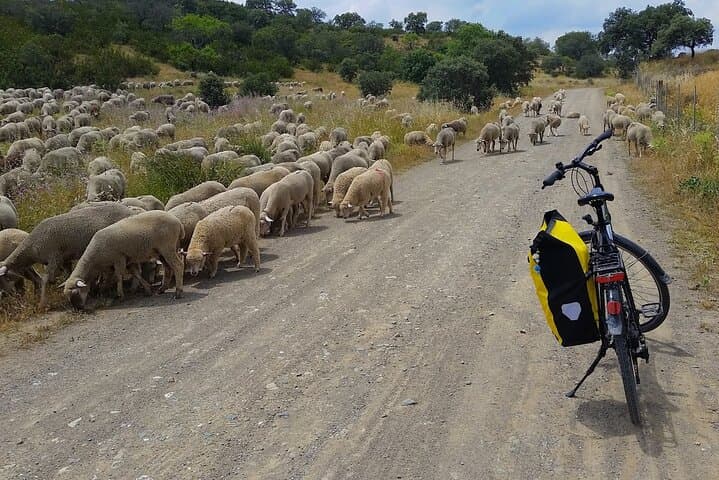
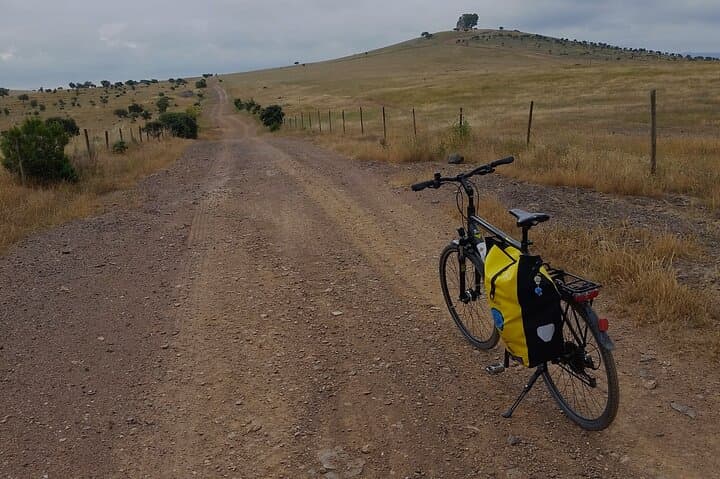
Expect varied terrain: quiet asphalt, packed dirt farm tracks and short gravel approaches beside irrigated fields. Navigation is by GPS track provided; signage is limited outside towns. Wildlife shapes the ride—flamingos wheel in shallow pools and reedbeds rustle with small mammals—so pace your approach and carry binoculars.
Practical tips: start early to dodge midday heat, reserve lodging in advance (the itinerary includes one hotel night), and plan luggage transfers as offered. Mechanical self-sufficiency is helpful—tire plugs, pump and basic tools. Hydration is vital across open sections and sunscreen is non-negotiable; afternoon mistrals can make the marshes feel much colder than the thermometer reads. This route is part exploration, part natural history, rewarding riders who like to move steadily and look closely.
moderate.
2 days (≈48 hours).
Moderate fitness: regular cyclists who can sustain 3–5 hours of riding per day over mixed surfaces.
No pro experience required, but you should be comfortable riding 3–5 hours a day and managing simple bike repairs.
Older children used to long rides can manage parts of the tour; infant seats are available but the full multi-day distance is best for teens and adults.
A GPS device with the route is provided; basic map-reading and GPS skills are helpful for following rural turns where signage is limited.
Expect marsh birds like flamingos and various waders; sightings of more elusive species (e.g., Iberian lynx) are rare but possible in surrounding protected areas.
Itálica, founded in 206 BC, supplies visible Roman architecture near Seville; the area’s villages retain traditions tied to the Rocío pilgrimage and agricultural rhythms.
Doñana is a protected wetland of international importance—stick to tracks, avoid disturbing nesting birds and follow local rules about rice-field access to minimize impact.
Spain Cycling Tours operates guided outdoor trips and adventures with an emphasis on safety, stewardship, and memorable experiences.
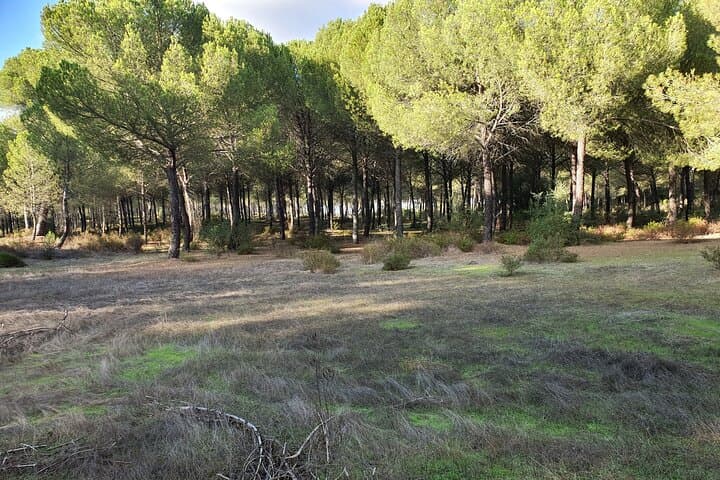
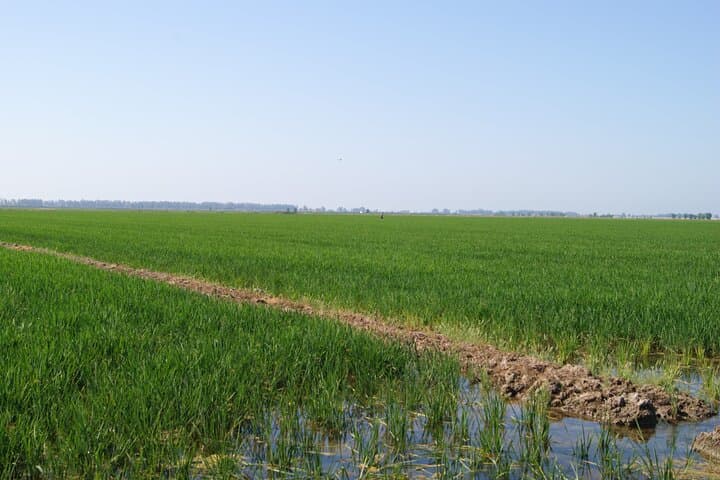
You push off from Triana before dawn, the Guadalquivir pulling your line of travel westward like a patient guide. Roads move from cobbled neighborhood corners into quiet country lanes that thread olive groves, stretch into pine corridors and finally open onto the flat mirror of the Doñana marshes. Wind and water set a steady tempo; rice paddies and marsh channels dare you to slow and watch.
You push off from Triana before dawn, the Guadalquivir pulling your line of travel westward like a patient guide. Roads move from cobbled neighborhood corners into quiet country lanes that thread olive groves, stretch into pine corridors and finally open onto the flat mirror of the Doñana marshes. Wind and water set a steady tempo; rice paddies and marsh channels dare you to slow and watch.
This two-day, self-guided route threads history and habitat. The Roman city of Itálica—founded in 206 BC—appears as stone memory near Santiponce. The landscape itself is recent in geological terms: Guadalquivir alluvium deposited over millennia created the broad floodplains and marshes that make Doñana an international wetland. Cultural touchstones include the rociera pilgrimage tradition that funnels devotion and color through towns like Villamanrique de la Condesa.
Expect varied terrain: quiet asphalt, packed dirt farm tracks and short gravel approaches beside irrigated fields. Navigation is by GPS track provided; signage is limited outside towns. Wildlife shapes the ride—flamingos wheel in shallow pools and reedbeds rustle with small mammals—so pace your approach and carry binoculars.
Practical tips: start early to dodge midday heat, reserve lodging in advance (the itinerary includes one hotel night), and plan luggage transfers as offered. Mechanical self-sufficiency is helpful—tire plugs, pump and basic tools. Hydration is vital across open sections and sunscreen is non-negotiable; afternoon mistrals can make the marshes feel much colder than the thermometer reads. This route is part exploration, part natural history, rewarding riders who like to move steadily and look closely.