THE ADVENTURE COLLECTIVE® · Independent discovery and booking for outdoor travel

Take an independent, app-guided walk down Beale Street to trace the origins of the blues and Memphis’s civil rights legacy. This one-hour route pairs neon-lined streets with small museums and historic churches—ideal for a focused cultural stroll.
Take an independent, app-guided walk down Beale Street to trace the origins of the blues and Memphis’s civil rights legacy. This one-hour route pairs neon-lined streets with small museums and historic churches—ideal for a focused cultural stroll.
The neon hum of Beale Street arrives before the footsteps: a low, electric pulse that guides you from the plaza in front of FedExForum down a corridor of music venues, historic storefronts, and bronze plaques.
Verified experiences and guided adventures in the surrounding area.
Operated by Drives & Detours · Memphis, Tennessee
The neon hum of Beale Street arrives before the footsteps: a low, electric pulse that guides you from the plaza in front of FedExForum down a corridor of music venues, historic storefronts, and bronze plaques.
This self-guided route places you where the blues became civic life. Walk past the Beale Street Baptist Church, built by formerly enslaved people in the 1860s, and imagine speeches and hymns shaping public gatherings. Stop at A. Schwab, Memphis’s oldest general store, where shelves still hold relics of working-class commerce. The Memphis Rock ’n’ Soul Museum and the Memphis Music Hall of Fame collect artifacts that map the city’s outsized influence on 20th-century sound.
Geology here is subtle: the broad, flat floodplain of the Mississippi allowed river commerce to concentrate wealth and culture in downtown Memphis, so the lanes and brick façades tell a story of trade as much as artistry. Civic history threads through the route—markers for Ida B. Wells and sites tied to civil rights struggles remind visitors that music and activism often traveled the same streets.
Practicalities: this tour runs about an hour at an easy pace, with short stops for exhibits and photos. Use the Drives & Detours app and your access code to unlock audio narration and maps; download in advance if your data is spotty. Wear supportive shoes for uneven sidewalks, bring water for summer heat, and plan evening visits for live music when venues open.
The experience balances listening and looking—stand in Handy Park to hear buskers, then step inside small museums to read names and dates that give the music context. It’s an urban walk that asks you to move deliberately through history as much as down a famous street.
easy.
1 hour.
Suitable for all fitness levels; requires standing and walking on city sidewalks for an hour.
Plan for about one hour at a steady pace; allow extra time for museum visits or live performances.
This self-guided tour includes audio and maps only—museum admissions are separate and depend on each venue’s policy.
The recommended start and end point is the courtyard in front of FedExForum (191 Beale St.).
Much of Beale Street and the FedExForum plaza are accessible, but some older buildings and sections may have steps—check specific venues in advance.
Beale Street was a commercial and cultural hub for African American Memphians from the late 19th century, hosting musicians and activists who helped shape the blues and civil rights movements.
Downtown preservation focuses on maintaining historic façades and managing tourist impact; visitors can help by staying on sidewalks and supporting local museums and businesses.
Drives & Detours operates guided outdoor trips and adventures with an emphasis on safety, stewardship, and memorable experiences.
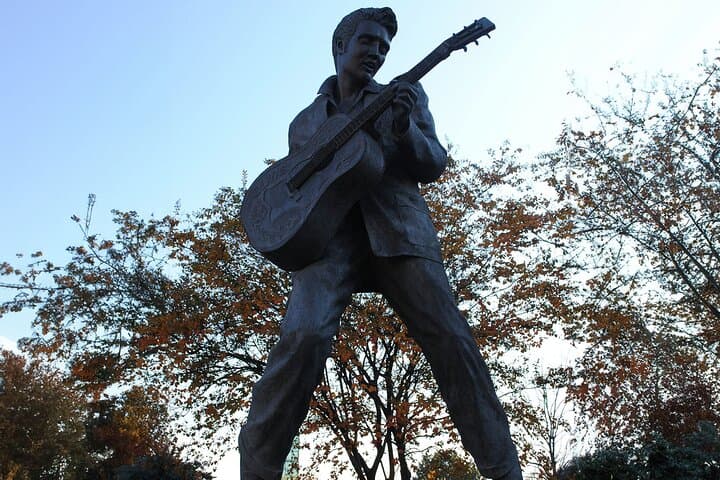


The neon hum of Beale Street arrives before the footsteps: a low, electric pulse that guides you from the plaza in front of FedExForum down a corridor of music venues, historic storefronts, and bronze plaques.
The neon hum of Beale Street arrives before the footsteps: a low, electric pulse that guides you from the plaza in front of FedExForum down a corridor of music venues, historic storefronts, and bronze plaques.
This self-guided route places you where the blues became civic life. Walk past the Beale Street Baptist Church, built by formerly enslaved people in the 1860s, and imagine speeches and hymns shaping public gatherings. Stop at A. Schwab, Memphis’s oldest general store, where shelves still hold relics of working-class commerce. The Memphis Rock ’n’ Soul Museum and the Memphis Music Hall of Fame collect artifacts that map the city’s outsized influence on 20th-century sound.
Geology here is subtle: the broad, flat floodplain of the Mississippi allowed river commerce to concentrate wealth and culture in downtown Memphis, so the lanes and brick façades tell a story of trade as much as artistry. Civic history threads through the route—markers for Ida B. Wells and sites tied to civil rights struggles remind visitors that music and activism often traveled the same streets.
Practicalities: this tour runs about an hour at an easy pace, with short stops for exhibits and photos. Use the Drives & Detours app and your access code to unlock audio narration and maps; download in advance if your data is spotty. Wear supportive shoes for uneven sidewalks, bring water for summer heat, and plan evening visits for live music when venues open.
The experience balances listening and looking—stand in Handy Park to hear buskers, then step inside small museums to read names and dates that give the music context. It’s an urban walk that asks you to move deliberately through history as much as down a famous street.