THE ADVENTURE COLLECTIVE® · Independent discovery and booking for outdoor travel

Explore Bath at your own pace with a 75-minute self-guided walking tour that links Pulteney Bridge to the Royal Crescent. The app-led route blends Roman spa history, Georgian architecture and Jane Austen lore with offline maps and audio.
Explore Bath at your own pace with a 75-minute self-guided walking tour that links Pulteney Bridge to the Royal Crescent. The app-led route blends Roman spa history, Georgian architecture and Jane Austen lore with offline maps and audio.
You start on the stone span of Pulteney Bridge, water pushing underfoot and Georgian facades tipping above like a row of old, polite neighbors. The app pings you into a walking line: river, weir, the rise toward the honey-colored sweep of Royal Crescent. It’s an urban walk with the feel of a small expedition—cobbles, short climbs, and sudden open crescents that let the city breathe.
Verified experiences and guided adventures in the surrounding area.
Operated by Tourific · Bath, Somerset
You start on the stone span of Pulteney Bridge, water pushing underfoot and Georgian facades tipping above like a row of old, polite neighbors. The app pings you into a walking line: river, weir, the rise toward the honey-colored sweep of Royal Crescent. It’s an urban walk with the feel of a small expedition—cobbles, short climbs, and sudden open crescents that let the city breathe.
Bath’s story is layered: Roman engineers harvested hot springs and boxed them in stone; 18th-century patrons reshaped the town into grand terraces and crescents; Jane Austen walked these streets and set characters loose against their squares. Geologically, Bath sits on oolitic limestone carved by ancient seas; that Bath Stone is why the city glows in late afternoon. Culturally, the route threads spa history, Georgian planning and the local independent shops on Walcot Street.
Practically: the self-guided route runs about 75 minutes and covers mainly paved streets with short uphill sections (expect roughly 50–80 m of cumulative ascent). The app provides audio, images and an offline map so you can pause at museum doors or linger at viewpoints. Note the tour visits exteriors only—entry to the Roman Baths or museums requires separate tickets. Wear comfortable, grippy shoes for cobbles and small flights of steps, allow time for photos and café stops, and plan an early start to avoid the midday crowds. Public transit connects well to the city center, and the route is suitable for most fitness levels with light inclines and firm surfaces.
easy.
1–1.5 hours.
Suitable for most walkers in average fitness; involves short uphill sections and standing for commentary.
No—this self-guided tour visits the Roman Baths from outside; entry requires a separate ticket and is not included in the app content.
Much of the route is on paved streets but cobbles, steps and short steep sections mean parts may be difficult; check individual stop access before setting out.
The product includes one year of access on iOS and Android and allows offline downloads once content is saved to your device.
Yes—the app is self-paced: pause to explore a museum, have a meal, and resume the audio and map where you left off.
Bath grew around natural hot springs first developed by the Romans; its 18th-century Georgian remaking, using locally quarried Bath Stone, created the crescents and squares seen today.
Bath’s centre is protected as a UNESCO World Heritage site; visitors should stick to footpaths, avoid climbing on historic stonework and support local conservation efforts and independent businesses.
Tourific operates guided outdoor trips and adventures with an emphasis on safety, stewardship, and memorable experiences.


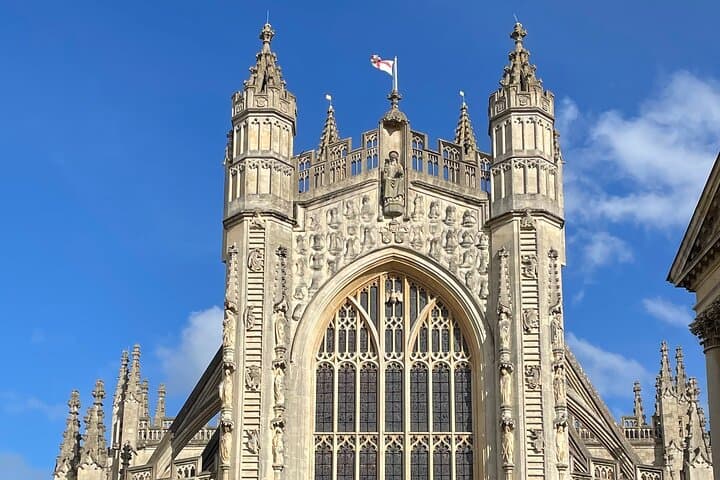
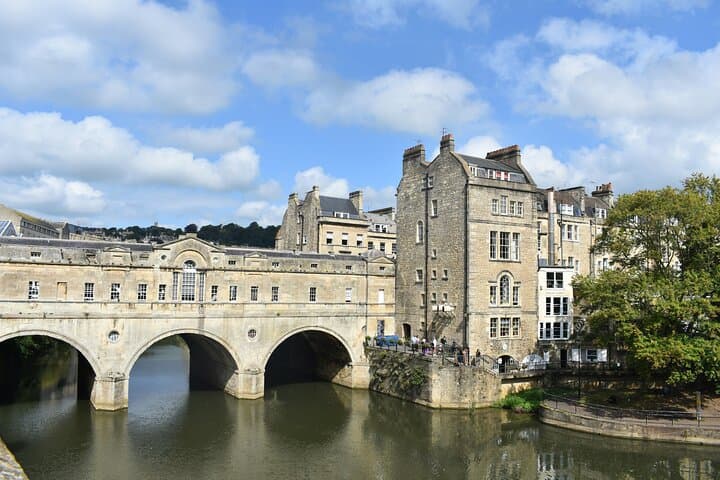
You start on the stone span of Pulteney Bridge, water pushing underfoot and Georgian facades tipping above like a row of old, polite neighbors. The app pings you into a walking line: river, weir, the rise toward the honey-colored sweep of Royal Crescent. It’s an urban walk with the feel of a small expedition—cobbles, short climbs, and sudden open crescents that let the city breathe.
You start on the stone span of Pulteney Bridge, water pushing underfoot and Georgian facades tipping above like a row of old, polite neighbors. The app pings you into a walking line: river, weir, the rise toward the honey-colored sweep of Royal Crescent. It’s an urban walk with the feel of a small expedition—cobbles, short climbs, and sudden open crescents that let the city breathe.
Bath’s story is layered: Roman engineers harvested hot springs and boxed them in stone; 18th-century patrons reshaped the town into grand terraces and crescents; Jane Austen walked these streets and set characters loose against their squares. Geologically, Bath sits on oolitic limestone carved by ancient seas; that Bath Stone is why the city glows in late afternoon. Culturally, the route threads spa history, Georgian planning and the local independent shops on Walcot Street.
Practically: the self-guided route runs about 75 minutes and covers mainly paved streets with short uphill sections (expect roughly 50–80 m of cumulative ascent). The app provides audio, images and an offline map so you can pause at museum doors or linger at viewpoints. Note the tour visits exteriors only—entry to the Roman Baths or museums requires separate tickets. Wear comfortable, grippy shoes for cobbles and small flights of steps, allow time for photos and café stops, and plan an early start to avoid the midday crowds. Public transit connects well to the city center, and the route is suitable for most fitness levels with light inclines and firm surfaces.