THE ADVENTURE COLLECTIVE® · Independent discovery and booking for outdoor travel

Drive the quieter lanes north of Paleokastritsa on a self-guided tour that reveals hidden beaches, olive groves and dramatic coastal viewpoints. Download the GPS app, pick a compact car, and plan 2–8 hours to explore the Back Door to North West Corfu.
Drive the quieter lanes north of Paleokastritsa on a self-guided tour that reveals hidden beaches, olive groves and dramatic coastal viewpoints. Download the GPS app, pick a compact car, and plan 2–8 hours to explore the Back Door to North West Corfu.
You start the day with the engine idling and the sea light sliding along the roadside—olive trees pressing in on one side, the Ionian opening wide on the other. The route peels away from Paleokastritsa’s tourist bustle into quieter lanes where villages keep their mornings slow and local life is visible in small markets and stone courtyards.
Verified experiences and guided adventures in the surrounding area.
Operated by Corfu Travel Guide · Paleokastritsa, Corfu
You start the day with the engine idling and the sea light sliding along the roadside—olive trees pressing in on one side, the Ionian opening wide on the other. The route peels away from Paleokastritsa’s tourist bustle into quieter lanes where villages keep their mornings slow and local life is visible in small markets and stone courtyards.
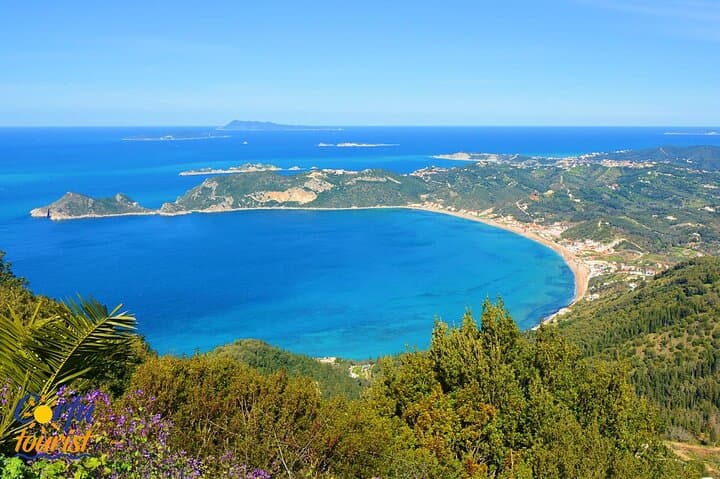
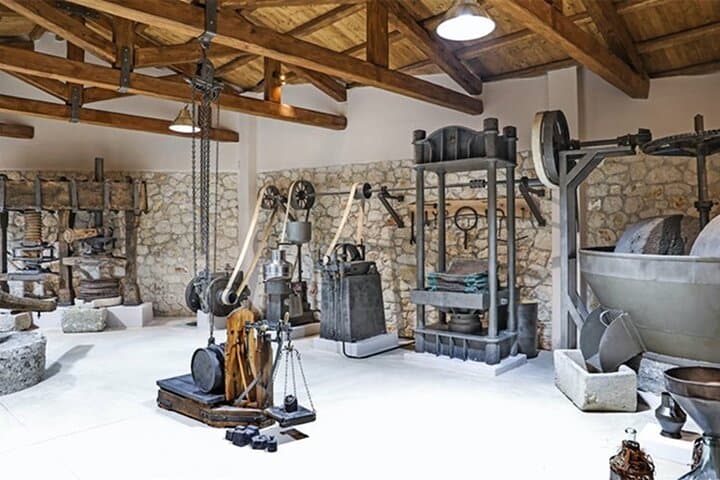
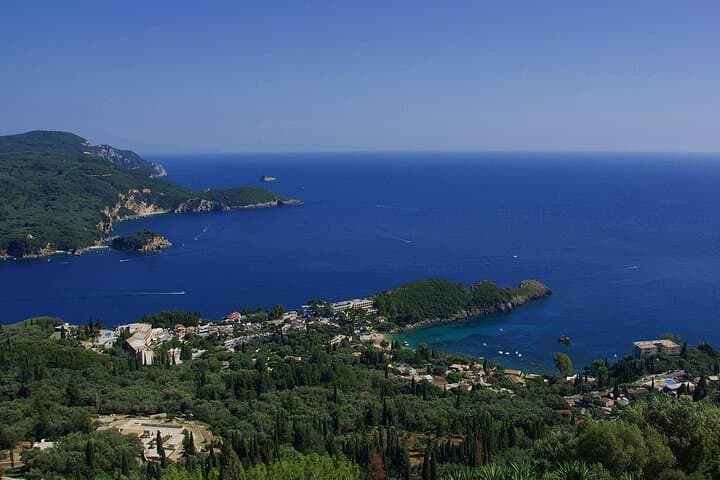
This stretch of northwest Corfu carries layers of history: Byzantine chapels, Venetian-built fortifications and a long tradition of olive cultivation visible in terraced groves. Geologically the coast alternates between steep limestone cliffs and sheltered bays carved by the Ionian; where the rock drops, sea caves and hidden beaches appear. Local culture centers on simple, robust food—fresh olive oil, grilled fish and backyard wine—and small family-run olive mills still open for tastings.
Practical guidance: the experience is a self-guided driving tour delivered via a GPS app that requires no mobile data; download and test the app before you leave. Plan 2–8 hours depending on stops—expect short walks to viewpoints and a steeper climb if you visit the castle. Roads are narrow and largely two-lane; a compact car handles most sections better than a wide SUV. Carry cash for rural tavernas, a filled water bottle, sturdy shoes for uneven viewpoints, and sun protection. Start early to avoid midday heat and peak tourist traffic at Paleokastritsa.
The route rewards slow travel: pull over for a view, accept an olive oil tasting, and let the coastline’s restless water keep you moving forward.
easy.
2–8 hours.
Suitable for most fitness levels; some short steep walks to viewpoints and castle ruins require basic mobility.
Yes; the tour is self-guided by car. A compact rental is recommended for narrow roads and easier parking.
Yes, the tour provides instructions to download the GPS app and route so it functions without mobile data during the drive.
Some beaches are viewable from roadside viewpoints only; a few require short hikes or a water taxi—the app indicates access and difficulty for each stop.
The itinerary is generally easy for driving, but several viewpoints and the castle require steep climbs; it is not recommended for pregnant travelers or those with significant mobility or cardiovascular issues.
North West Corfu shows Venetian and Byzantine layers in its fortifications and chapels; olive cultivation and small-scale fishing have shaped local settlements for centuries.
This coastline is sensitive—avoid leaving waste, stick to marked paths, and support local producers to help preserve traditional land use and reduce overtourism.
Corfu Travel Guide operates guided outdoor trips and adventures with an emphasis on safety, stewardship, and memorable experiences.
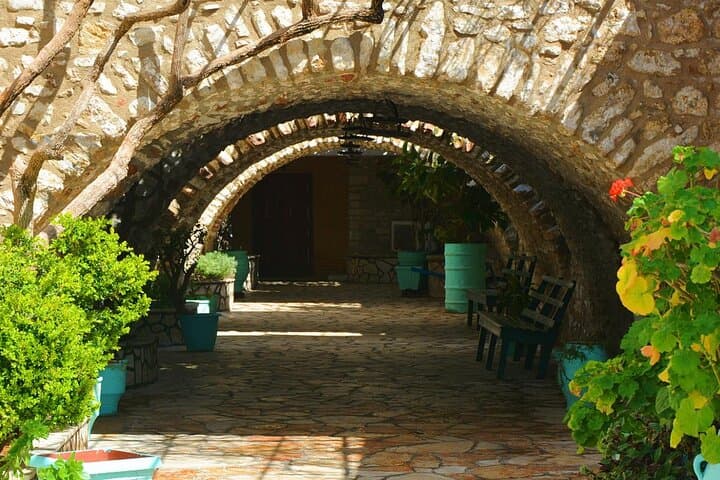
You start the day with the engine idling and the sea light sliding along the roadside—olive trees pressing in on one side, the Ionian opening wide on the other. The route peels away from Paleokastritsa’s tourist bustle into quieter lanes where villages keep their mornings slow and local life is visible in small markets and stone courtyards.
You start the day with the engine idling and the sea light sliding along the roadside—olive trees pressing in on one side, the Ionian opening wide on the other. The route peels away from Paleokastritsa’s tourist bustle into quieter lanes where villages keep their mornings slow and local life is visible in small markets and stone courtyards.
This stretch of northwest Corfu carries layers of history: Byzantine chapels, Venetian-built fortifications and a long tradition of olive cultivation visible in terraced groves. Geologically the coast alternates between steep limestone cliffs and sheltered bays carved by the Ionian; where the rock drops, sea caves and hidden beaches appear. Local culture centers on simple, robust food—fresh olive oil, grilled fish and backyard wine—and small family-run olive mills still open for tastings.
Practical guidance: the experience is a self-guided driving tour delivered via a GPS app that requires no mobile data; download and test the app before you leave. Plan 2–8 hours depending on stops—expect short walks to viewpoints and a steeper climb if you visit the castle. Roads are narrow and largely two-lane; a compact car handles most sections better than a wide SUV. Carry cash for rural tavernas, a filled water bottle, sturdy shoes for uneven viewpoints, and sun protection. Start early to avoid midday heat and peak tourist traffic at Paleokastritsa.
The route rewards slow travel: pull over for a view, accept an olive oil tasting, and let the coastline’s restless water keep you moving forward.