THE ADVENTURE COLLECTIVE® · Independent discovery and booking for outdoor travel

Walk Salem at your own pace with GPS-triggered audio that places you at Howard Street Cemetery, the Old Salem Jail, and Proctor’s Ledge. The self-guided tour mixes legal history, local architecture, and reflective memorials—download the app, then let the city speak.
Walk Salem at your own pace with GPS-triggered audio that places you at Howard Street Cemetery, the Old Salem Jail, and Proctor’s Ledge. The self-guided tour mixes legal history, local architecture, and reflective memorials—download the app, then let the city speak.
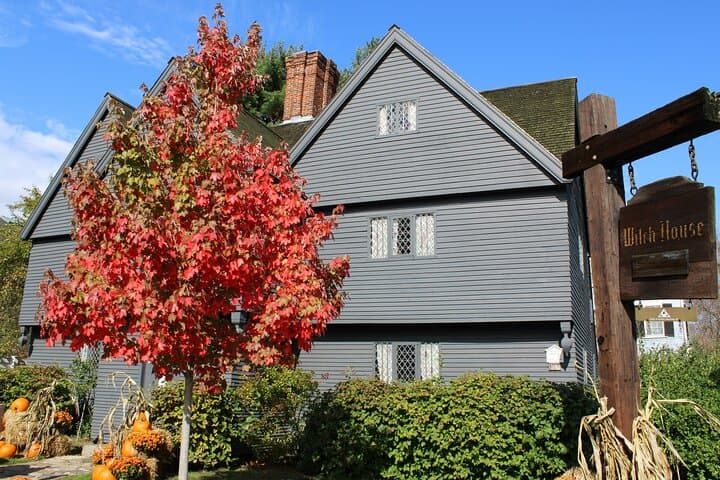
You start on a narrow Howard Street, wooden houses leaning in like listeners. The pavement underfoot is ordinary, but the air carries stories—footsteps of the accused and the cautious tread of magistrates—brought to life by GPS-triggered narration that begins where the city’s legal and spiritual histories collide.
Verified experiences and guided adventures in the surrounding area.
Operated by Drives & Detours · Salem, Massachusetts
You start on a narrow Howard Street, wooden houses leaning in like listeners. The pavement underfoot is ordinary, but the air carries stories—footsteps of the accused and the cautious tread of magistrates—brought to life by GPS-triggered narration that begins where the city’s legal and spiritual histories collide.
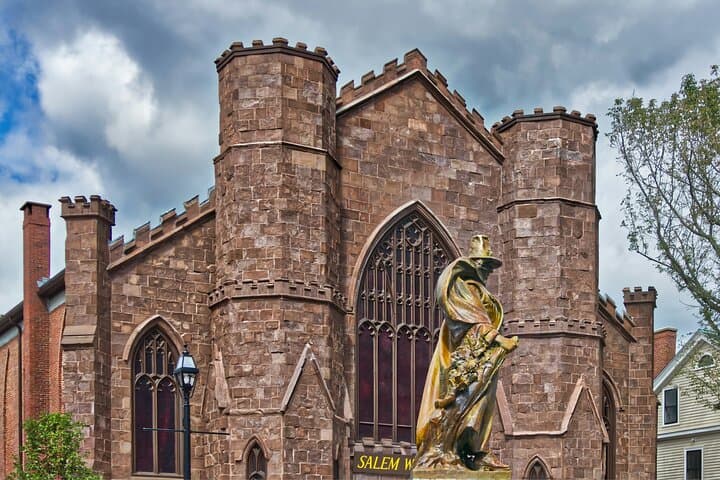
The route threads through Howard Street Cemetery, past First Period homes and the Old Salem Jail, and arrives at Proctor’s Ledge and the Witch Trials Memorial. This is coastal New England: low, glaciated terrain turned maritime town, brick and clapboard facades worn by salt wind. Religion, law and commerce braided tightly here in the 17th and 18th centuries; by the 19th century Salem had shifted toward shipping and shipbuilders who reshaped its streets and fortunes. The tour balances legal records and human detail—Judge John Hathorne’s public life, the Corwins’ family ties, and the later civic work that turned sites of violence into places of memory.
Culturally, Salem oscillates between solemn remembrance and modern-day tourism; the audio guides offer context so you can move from museum exhibits to quiet benches with purpose. Expect mostly paved sidewalks, short blocks, and a few steps; the route is accessible for most walkers but requires attention to traffic and crowds in peak season.
Practical guidance: download the Drives & Detours app and the tour ahead of time, carry a charged phone and portable battery, wear comfortable shoes for 2–2.5 hours of walking, and give yourself time to pause at memorials. Move respectfully through burial grounds and memorial spaces—these are lived-in places, not theatrical sets.
easy.
2–2.5 hours.
Suitable for most walkers in average health; minimal elevation, mostly paved routes
No—this is self-guided and flexible. Download the tour and begin when you reach the designated start location on Howard Street.
The audio itinerary runs about 120–150 minutes including stops; expect continuous walking with periodic pauses at memorials and sites.
Download the tour in advance; the app supports offline playback so GPS-triggered audio still works without cellular data.
The content is appropriate for most ages, but some sites have steps or uneven ground—those with limited mobility should plan a slower pace or choose alternate, more accessible stops.
Salem’s 1692 trials were rooted in local legal structures, religious fervor, and community tensions; later maritime wealth reshaped the town’s architecture and public spaces.
Preserve memorial sites by staying on paths, not climbing on markers or monuments, and supporting local museums that fund preservation and interpretation.
Drives & Detours operates guided outdoor trips and adventures with an emphasis on safety, stewardship, and memorable experiences.


You start on a narrow Howard Street, wooden houses leaning in like listeners. The pavement underfoot is ordinary, but the air carries stories—footsteps of the accused and the cautious tread of magistrates—brought to life by GPS-triggered narration that begins where the city’s legal and spiritual histories collide.
You start on a narrow Howard Street, wooden houses leaning in like listeners. The pavement underfoot is ordinary, but the air carries stories—footsteps of the accused and the cautious tread of magistrates—brought to life by GPS-triggered narration that begins where the city’s legal and spiritual histories collide.
The route threads through Howard Street Cemetery, past First Period homes and the Old Salem Jail, and arrives at Proctor’s Ledge and the Witch Trials Memorial. This is coastal New England: low, glaciated terrain turned maritime town, brick and clapboard facades worn by salt wind. Religion, law and commerce braided tightly here in the 17th and 18th centuries; by the 19th century Salem had shifted toward shipping and shipbuilders who reshaped its streets and fortunes. The tour balances legal records and human detail—Judge John Hathorne’s public life, the Corwins’ family ties, and the later civic work that turned sites of violence into places of memory.
Culturally, Salem oscillates between solemn remembrance and modern-day tourism; the audio guides offer context so you can move from museum exhibits to quiet benches with purpose. Expect mostly paved sidewalks, short blocks, and a few steps; the route is accessible for most walkers but requires attention to traffic and crowds in peak season.
Practical guidance: download the Drives & Detours app and the tour ahead of time, carry a charged phone and portable battery, wear comfortable shoes for 2–2.5 hours of walking, and give yourself time to pause at memorials. Move respectfully through burial grounds and memorial spaces—these are lived-in places, not theatrical sets.