THE ADVENTURE COLLECTIVE® · Independent discovery and booking for outdoor travel

Press play at the old firehouse on East 8th and walk through Holland’s compact history. This self-guided audio tour blends local stories, Hope College landmarks, and downtown highlights into a 45–75 minute loop you can run offline.
Press play at the old firehouse on East 8th and walk through Holland’s compact history. This self-guided audio tour blends local stories, Hope College landmarks, and downtown highlights into a 45–75 minute loop you can run offline.
On a crisp morning at 106 E 8th Street the tour asks you to press play at the old brick firehouse. The voice in your ear becomes a local guide as you move down wide sidewalks, past storefronts that trade tulip-season bustle for a quieter, year-round rhythm. The route is small-town compact: streets, park corners, and the university grounds unfold in manageable chapters.
Verified experiences and guided adventures in the surrounding area.
Operated by VoiceMap Audio Tours · Holland, Michigan
On a crisp morning at 106 E 8th Street the tour asks you to press play at the old brick firehouse. The voice in your ear becomes a local guide as you move down wide sidewalks, past storefronts that trade tulip-season bustle for a quieter, year-round rhythm. The route is small-town compact: streets, park corners, and the university grounds unfold in manageable chapters.
Holland’s story is plain in the architecture — Dutch-American settlers, Hope College’s 19th-century buildings, and a municipal rebirth after the catastrophic 1871 fire that reshaped the city grid. The audio points out moments that rarely make guidebooks: a long-ago bank robbery on 8th Street, the coral rock fountain in Centennial Park, and the theater marquee that still draws community crowds.
Geology here is subtle: glacially smoothed ground and a shoreline a few blocks north that shaped early trade and settlement. Culture is present-tense — bakery ovens, boutique owners, and college students moving between lectures and lakeside walks. The narration mixes dates with neighborhood gossip, helping the city feel practiced but human.
Practicalities: expect 45–75 minutes and roughly 1–1.5 miles of flat, paved walking with full wheelchair access. Download the VoiceMap audio and maps before setting out; the tour runs offline once installed. Bring headphones, a charged phone, and water. Start early on festival days (Tulip Time in May attracts crowds) or in late afternoon for softer light and open shops. This is a low-effort, high-insight way to read Holland’s streets on your own schedule.
easy.
45–75 minutes.
Light; suitable for most people who can walk 1–1.5 miles on paved surfaces
The tour runs about 45–75 minutes depending on your pace and stops; plan for roughly 1–1.5 miles of walking.
No—download the VoiceMap tour and maps ahead of time; the app runs offline once installed.
Yes. The tour follows paved sidewalks and public-access areas and is listed as wheelchair accessible.
Yes. The confirmation code can be entered on multiple devices so each member of your party can download the tour.
Holland was settled by Dutch immigrants in the mid-1800s; a major fire in 1871 prompted rebuilding that shaped the downtown you walk today.
Respect planters and park beds that local businesses and volunteers maintain; stick to sidewalks and avoid trampling planted areas, especially during tulip season.
VoiceMap Audio Tours operates guided outdoor trips and adventures with an emphasis on safety, stewardship, and memorable experiences.
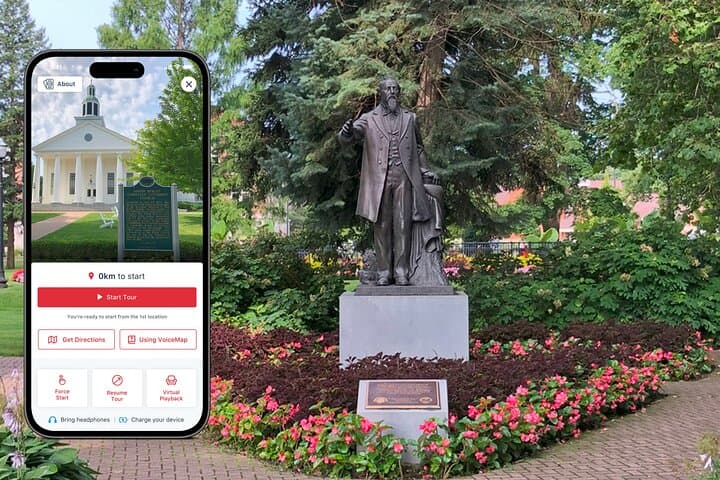
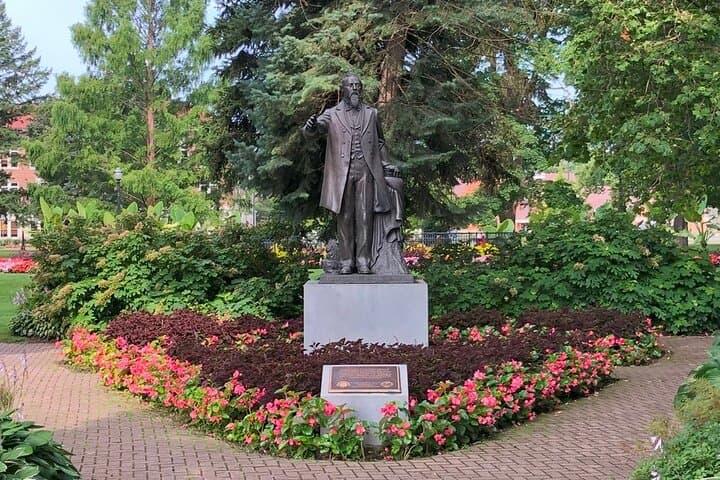
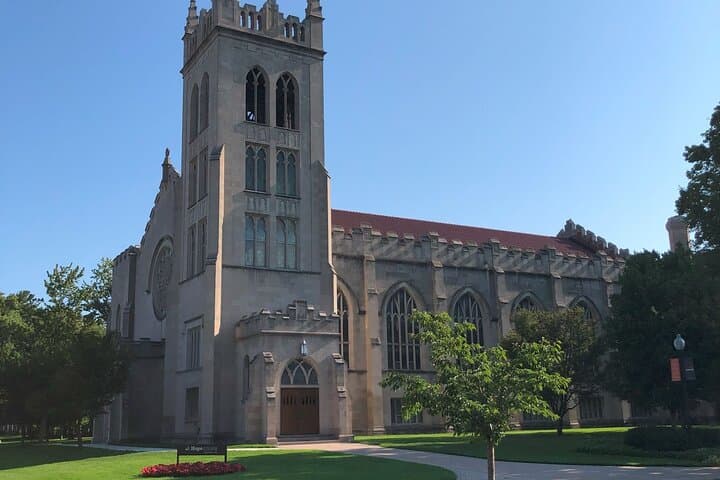
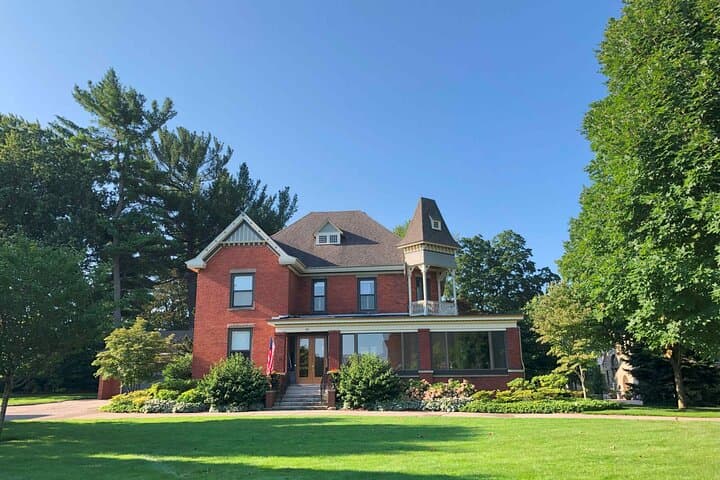
On a crisp morning at 106 E 8th Street the tour asks you to press play at the old brick firehouse. The voice in your ear becomes a local guide as you move down wide sidewalks, past storefronts that trade tulip-season bustle for a quieter, year-round rhythm. The route is small-town compact: streets, park corners, and the university grounds unfold in manageable chapters.
On a crisp morning at 106 E 8th Street the tour asks you to press play at the old brick firehouse. The voice in your ear becomes a local guide as you move down wide sidewalks, past storefronts that trade tulip-season bustle for a quieter, year-round rhythm. The route is small-town compact: streets, park corners, and the university grounds unfold in manageable chapters.
Holland’s story is plain in the architecture — Dutch-American settlers, Hope College’s 19th-century buildings, and a municipal rebirth after the catastrophic 1871 fire that reshaped the city grid. The audio points out moments that rarely make guidebooks: a long-ago bank robbery on 8th Street, the coral rock fountain in Centennial Park, and the theater marquee that still draws community crowds.
Geology here is subtle: glacially smoothed ground and a shoreline a few blocks north that shaped early trade and settlement. Culture is present-tense — bakery ovens, boutique owners, and college students moving between lectures and lakeside walks. The narration mixes dates with neighborhood gossip, helping the city feel practiced but human.
Practicalities: expect 45–75 minutes and roughly 1–1.5 miles of flat, paved walking with full wheelchair access. Download the VoiceMap audio and maps before setting out; the tour runs offline once installed. Bring headphones, a charged phone, and water. Start early on festival days (Tulip Time in May attracts crowds) or in late afternoon for softer light and open shops. This is a low-effort, high-insight way to read Holland’s streets on your own schedule.