THE ADVENTURE COLLECTIVE® · Independent discovery and booking for outdoor travel

Walk New Orleans’ St. Louis Cemetery No. 3 with a downloadable audio guide that explains its unique above-ground tombs, local funerary customs, and the cemetery’s origins after the 1852 yellow fever outbreak. This self-guided GPS tour lasts about 45–60 minutes and can be used repeatedly once downloaded.
Walk New Orleans’ St. Louis Cemetery No. 3 with a downloadable audio guide that explains its unique above-ground tombs, local funerary customs, and the cemetery’s origins after the 1852 yellow fever outbreak. This self-guided GPS tour lasts about 45–60 minutes and can be used repeatedly once downloaded.
Stand at the pedestrian entrance on Esplanade Avenue and the city’s past shifts into frame: low, box-like tombs, crumbling ironwork, live oaks throwing long, patterned shadows across stone. The audio guide leads you from marker to monument, the narrator’s voice filling gaps between the hush of the cemetery and distant street noise.
Verified experiences and guided adventures in the surrounding area.
Operated by VoiceMap Audio Tours · New Orleans, Louisiana
Stand at the pedestrian entrance on Esplanade Avenue and the city’s past shifts into frame: low, box-like tombs, crumbling ironwork, live oaks throwing long, patterned shadows across stone. The audio guide leads you from marker to monument, the narrator’s voice filling gaps between the hush of the cemetery and distant street noise.
Opened in 1852 after a deadly yellow fever wave, St. Louis Cemetery No. 3 occupies ground once used as a leprosy colony. The raised, above-ground tombs respond to New Orleans’ high water table—a practical answer to the city’s geology that became an architectural language. Styles vary: Creole double tombs, Victorian monuments, and modest family vaults that show changing attitudes toward death and display.
Along the route the guide points out local characters and artists—photographer E.J. Bellocq among them—and explains how funerary practices blend Catholic ritual, Creole craft, and African-derived customs. You’ll learn why New Orleans cemeteries feel like neighborhoods of the dead: names, dates, and stories stacked like addresses.
Practicalities matter: download the VoiceMap tour and start at 3421 Esplanade Ave, headphones on. The route is an easy 45–60 minute walk but is not wheelchair accessible; surfaces are uneven and shaded but can be slick after rain. Respect rules—no climbing, no touching fragile masonry—and plan for heat in summer or sudden rain. Early morning or late afternoon visits avoid peak sun and make the audio narration easier to follow.
This is a listening walk more than a brisk hike: take your time, read inscriptions, and let the city’s layers reveal themselves one stop at a time.
easy.
45–60 minutes.
Suitable for casual walkers and visitors of most fitness levels; expect short, slow-paced strolling with pauses to listen and read.
No—the product is a self-guided audio tour you download to the VoiceMap app and follow at your own pace.
Install VoiceMap, create an account, select 'Tour Codes' in the menu, enter the eight-character code sent by email, then download the tour for offline use.
St. Louis Cemetery No. 3 is publicly visitable without an entry fee, but hours and access can change—start at the pedestrian entrance at 3421 Esplanade Ave and respect posted rules and private-property notices.
Children are welcome but must be supervised; service animals are allowed. Keep children close and teach them not to climb or touch tombs.
Established in 1852 after a yellow fever outbreak, the cemetery sits on land formerly used as a leprosy colony and reflects New Orleans’ practical above-ground burial response to a high water table.
Historic masonry in the cemetery is fragile—avoid touching or climbing monuments and support local preservation groups that stabilize and conserve family tombs.
VoiceMap Audio Tours operates guided outdoor trips and adventures with an emphasis on safety, stewardship, and memorable experiences.
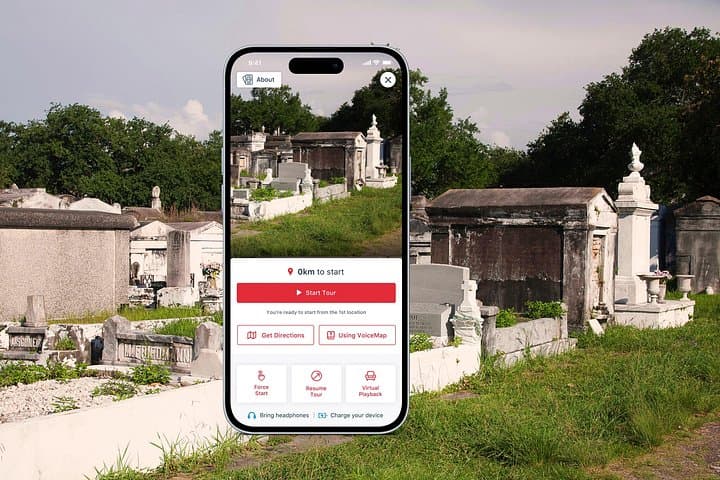

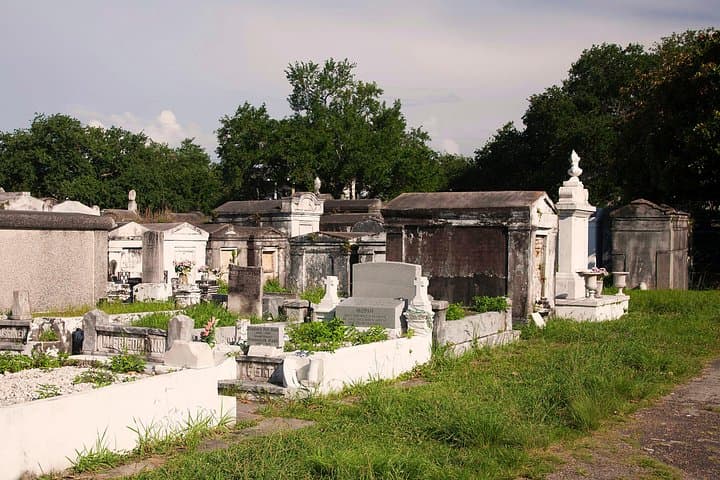
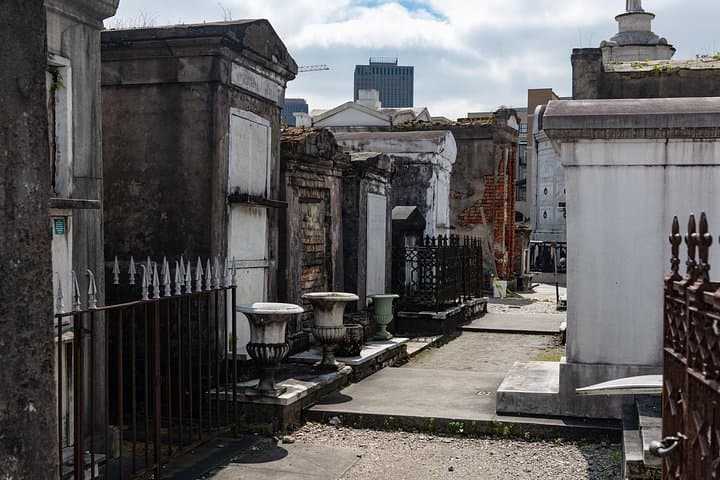
Stand at the pedestrian entrance on Esplanade Avenue and the city’s past shifts into frame: low, box-like tombs, crumbling ironwork, live oaks throwing long, patterned shadows across stone. The audio guide leads you from marker to monument, the narrator’s voice filling gaps between the hush of the cemetery and distant street noise.
Stand at the pedestrian entrance on Esplanade Avenue and the city’s past shifts into frame: low, box-like tombs, crumbling ironwork, live oaks throwing long, patterned shadows across stone. The audio guide leads you from marker to monument, the narrator’s voice filling gaps between the hush of the cemetery and distant street noise.
Opened in 1852 after a deadly yellow fever wave, St. Louis Cemetery No. 3 occupies ground once used as a leprosy colony. The raised, above-ground tombs respond to New Orleans’ high water table—a practical answer to the city’s geology that became an architectural language. Styles vary: Creole double tombs, Victorian monuments, and modest family vaults that show changing attitudes toward death and display.
Along the route the guide points out local characters and artists—photographer E.J. Bellocq among them—and explains how funerary practices blend Catholic ritual, Creole craft, and African-derived customs. You’ll learn why New Orleans cemeteries feel like neighborhoods of the dead: names, dates, and stories stacked like addresses.
Practicalities matter: download the VoiceMap tour and start at 3421 Esplanade Ave, headphones on. The route is an easy 45–60 minute walk but is not wheelchair accessible; surfaces are uneven and shaded but can be slick after rain. Respect rules—no climbing, no touching fragile masonry—and plan for heat in summer or sudden rain. Early morning or late afternoon visits avoid peak sun and make the audio narration easier to follow.
This is a listening walk more than a brisk hike: take your time, read inscriptions, and let the city’s layers reveal themselves one stop at a time.