THE ADVENTURE COLLECTIVE® · Independent discovery and booking for outdoor travel

Walk among sculpted monuments and the graves of Chopin, Piaf and Jim Morrison on a self-guided audio tour of Père-Lachaise. This practical guide explains what to expect—terrain, etiquette, and how to make the most of two hours in Paris’ most famous cemetery.
Walk among sculpted monuments and the graves of Chopin, Piaf and Jim Morrison on a self-guided audio tour of Père-Lachaise. This practical guide explains what to expect—terrain, etiquette, and how to make the most of two hours in Paris’ most famous cemetery.
The iron gates swing open and the city noise thins to a hushed murmur as you step onto gravel paths framed by plane trees that lean in like quiet witnesses. In the cool light between sculpted monuments and ivy-clad mausoleums, an audio guide becomes your discreet companion, narrating stories carved in stone: artists, writers, rebels and performers whose lives shaped Paris.
Verified experiences and guided adventures in the surrounding area.
Operated by TouringBee · Paris, Île-de-France
The iron gates swing open and the city noise thins to a hushed murmur as you step onto gravel paths framed by plane trees that lean in like quiet witnesses. In the cool light between sculpted monuments and ivy-clad mausoleums, an audio guide becomes your discreet companion, narrating stories carved in stone: artists, writers, rebels and performers whose lives shaped Paris.
Founded in 1804 on the eastern edge of the Paris Basin, Père-Lachaise expanded into a vast necropolis of 110 acres, its layout a tangle of alleys, terraces and gentle rises. The ground is urban clay and compacted gravel—easy underfoot but uneven in places where old memorials tilt with time. The cemetery’s aesthetic is 19th‑century funerary art: bronze angels, neoclassical columns and modernist stones that reveal changing attitudes toward death and memory.
Culturally, Père-Lachaise reads like a mini‑anthology of Paris — from Chopin’s piano silhouette to Jim Morrison’s graffiti‑scarred rock. Local etiquette favors quiet reflection; visitors walk slowly, speak softly, and give space to mourners and historians alike.
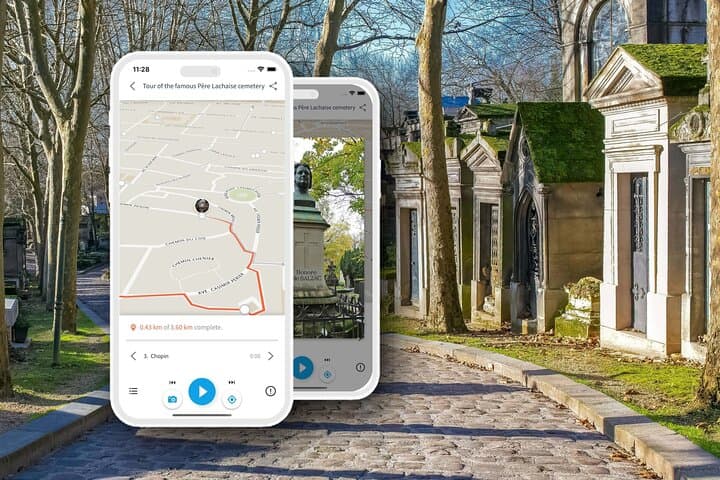
Practical guide: download the app and the offline map before arrival, bring fully charged phone and headphones, and allow two hours to follow the recommended route. Wear sturdy shoes and expect cobbles and shallow steps; toilets and cafés sit just outside the gates. Early morning or late afternoon light is best for reading inscriptions and avoiding crowds. Above all, move with respect—this is both a public park and a working cemetery, where memorials demand a measured, observant pace.
easy.
2 hours.
Suitable for most fitness levels; requires standing and walking on uneven paths for up to two hours
No—entry to the cemetery is free; this product provides an audio guide app to enrich your visit.
After purchase, download the app, activate your tour code, and use the offline map to follow the recommended route.
Many main alleys are wide and relatively flat, but there are steps and uneven surfaces; accessibility can be limited—check specific pathways on the app before visiting.
Photography for personal use is generally permitted, but be discreet, avoid photographing mourners, and do not climb on monuments or fences.
Opened in 1804 as part of Paris’s response to overcrowded inner‑city cemeteries, Père‑Lachaise quickly became fashionable and attracted high‑profile burials that shaped its fame.
The cemetery is managed to balance heritage conservation with public access; visitors are asked to follow signage and avoid touching fragile sculptures to help preserve monuments.
TouringBee operates guided outdoor trips and adventures with an emphasis on safety, stewardship, and memorable experiences.
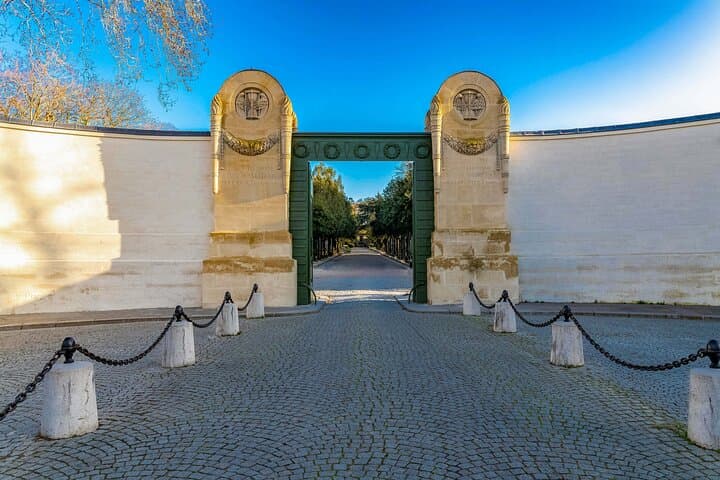
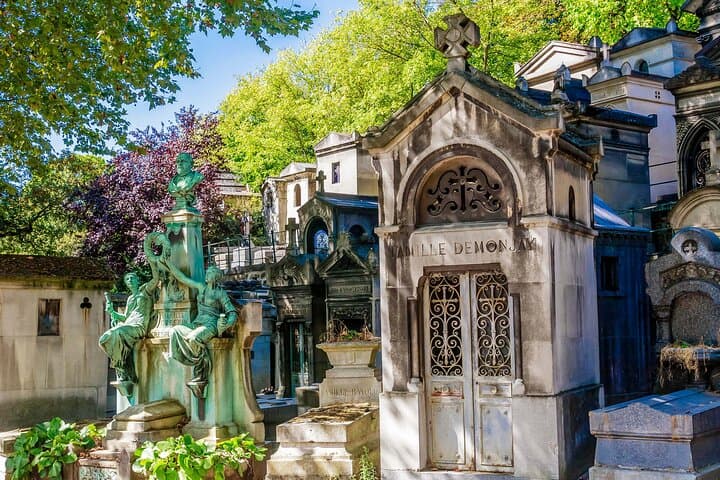
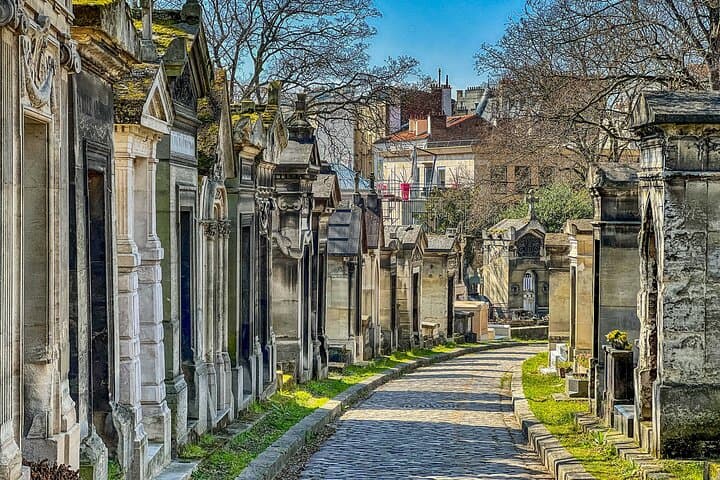
The iron gates swing open and the city noise thins to a hushed murmur as you step onto gravel paths framed by plane trees that lean in like quiet witnesses. In the cool light between sculpted monuments and ivy-clad mausoleums, an audio guide becomes your discreet companion, narrating stories carved in stone: artists, writers, rebels and performers whose lives shaped Paris.
The iron gates swing open and the city noise thins to a hushed murmur as you step onto gravel paths framed by plane trees that lean in like quiet witnesses. In the cool light between sculpted monuments and ivy-clad mausoleums, an audio guide becomes your discreet companion, narrating stories carved in stone: artists, writers, rebels and performers whose lives shaped Paris.
Founded in 1804 on the eastern edge of the Paris Basin, Père-Lachaise expanded into a vast necropolis of 110 acres, its layout a tangle of alleys, terraces and gentle rises. The ground is urban clay and compacted gravel—easy underfoot but uneven in places where old memorials tilt with time. The cemetery’s aesthetic is 19th‑century funerary art: bronze angels, neoclassical columns and modernist stones that reveal changing attitudes toward death and memory.
Culturally, Père-Lachaise reads like a mini‑anthology of Paris — from Chopin’s piano silhouette to Jim Morrison’s graffiti‑scarred rock. Local etiquette favors quiet reflection; visitors walk slowly, speak softly, and give space to mourners and historians alike.
Practical guide: download the app and the offline map before arrival, bring fully charged phone and headphones, and allow two hours to follow the recommended route. Wear sturdy shoes and expect cobbles and shallow steps; toilets and cafés sit just outside the gates. Early morning or late afternoon light is best for reading inscriptions and avoiding crowds. Above all, move with respect—this is both a public park and a working cemetery, where memorials demand a measured, observant pace.